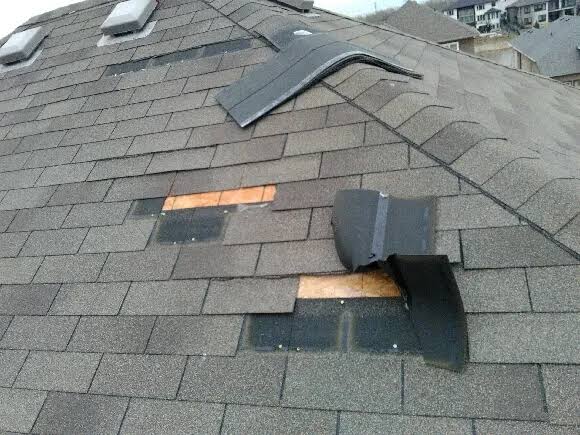
Have you ever walked outside after a storm only to spot colorful debris scattered across your lawn? It is a sinking feeling. Discovering that what to do if a few shingles blew off roof is not just about aesthetics; it is about protecting your home’s structural integrity from water intrusion. Don’t panic—this is a common issue, and with the right approach, you can mitigate damage quickly and effectively.
Immediate Steps: Securing Your Home After Shingle Loss
When wind speeds exceed 50 mph, asphalt shingles are particularly vulnerable. According to the National Weather Service, high-wind events are among the top causes of residential roof damage in the United States. If you notice missing shingles, your first priority is not necessarily climbing up there immediately, but rather assessing the situation safely.
1. Assess the Situation from the Ground
Before you grab a ladder, take a moment to evaluate the scope of the problem. Use binoculars to get a closer look. Are there only one or two shingles missing, or is there a larger section exposed? Look for signs of underlying damage, such as cracked flashing or dented gutters.
- Check for interior leaks: Go into your attic or upper-floor ceilings. Look for water stains, damp insulation, or dripping sounds. If you see active leaking, place a bucket underneath and call a professional immediately.
- Document the damage: Take clear photos from multiple angles. This is crucial for insurance claims later. Most homeowners’ insurance policies cover wind damage, but they require proof.
2. Temporary Protection (If Rain is Expected)
If a storm is still moving through your area or more rain is forecasted within 24 hours, you need to protect the exposed underlayment. The underlayment is the water-resistant barrier beneath the shingles, but it is not designed for long-term exposure to UV rays or heavy driving rain.
- Use a tarp: If the area is accessible and safe, you can loosely secure a heavy-duty plastic tarp over the affected area. Weigh it down with sandbags or wooden boards. Do not nail the tarp directly into the roof deck, as this creates new holes that can leak.
- Roofing cement: For very small exposures where a single shingle has lifted but not fully detached, you might be able to slide a bit of roofing cement under the edge to hold it down temporarily. However, if the shingle is gone, skip this and focus on covering the gap.
Can You Replace Missing Shingles Yourself?
This is the most common question homeowners ask. The answer depends on three factors: your comfort level with heights, the pitch of your roof, and the availability of matching materials.
Safety First: The Non-Negotiables
Falling from a roof is a leading cause of home improvement injuries. If your roof has a steep pitch (greater than 6:12 slope), do not attempt DIY repair. Hire a professional. For low-slope roofs, ensure you have:
- A sturdy extension ladder with rubber feet.
- Proper footwear with non-slip soles.
- A safety harness if working near the edge.
- A spotter to hold the ladder steady.
The DIY Replacement Process
If you decide to proceed, here is a detailed, step-by-step guide to replacing a standard asphalt shingle.
Tools Needed:
- Flat bar or pry bar
- Hammer
- Roofing nails (galvanized, 1-1/4 inch)
- Roofing cement (asphalt-based)
- Utility knife
- Replacement shingle (matching color and brand)
Step-by-Step Instructions:
- Remove the damaged area: If remnants of the old shingle remain, carefully lift the tabs of the shingles above the missing piece. Use the flat bar to gently pry out any remaining nails. Remove all debris.
- Prepare the new shingle: Measure the space. If necessary, trim the new shingle to fit using your utility knife. Ensure it matches the width of the existing course.
- Apply roofing cement: Spread a thin layer of roofing cement on the back of the new shingle and on the exposed underlayment where it will sit. This adds an extra layer of water resistance.
- Position the shingle: Slide the new shingle into place, aligning it perfectly with the surrounding shingles. It should sit flush against the shingle below it.
- Nail it down: Lift the tabs of the shingles above the new one. Drive four roofing nails into the new shingle, placing them just below the sealant strip of the upper shingles. This ensures the nails are hidden and protected from rain.
- Seal the edges: Apply a small dab of roofing cement under the corners of the new shingle and press down firmly. Also, apply a tiny amount under the tabs of the shingles above to bond them to the new piece.
Pro Tip: Asphalt shingles rely on heat to activate their adhesive strips. If it is cold outside (below 50°F / 10°C), the seals may not bond immediately. In this case, use extra roofing cement to secure the edges until warmer weather arrives.
When to Call a Professional Roofer
While DIY is tempting for cost savings, there are specific scenarios where professional intervention is mandatory. Ignoring these signs can lead to costly structural repairs down the line.
| Scenario | Why You Need a Pro | Estimated Cost Impact |
|---|---|---|
| Multiple Missing Shingles | Indicates potential widespread failure or poor initial installation. | Higher material/labor cost |
| Granule Loss in Gutters | Suggests the roof is aging and brittle, not just wind-damaged. | May indicate need for full replacement |
| Damaged Underlayment | If the black felt paper is torn or wet, water can rot the wood deck. | Moderate repair cost |
| Steep or High Roof | Safety risk is too high for untrained individuals. | Labor premium for safety gear |
| Warranty Concerns | DIY repairs often void manufacturer warranties. | Potential loss of coverage |
According to industry standards, if more than 30% of your roof’s shingles are damaged or missing, a full replacement is often more cost-effective than patching. Furthermore, many roofing manufacturers require certified installers to maintain warranty validity. You can read more about roofing material standards on Wikipedia’s page on Roofing.
Understanding the Causes: Why Did They Blow Off?
Understanding the root cause helps prevent recurrence. It is rarely just “bad luck.”
- Improper Nailing: This is the #1 cause of premature shingle failure. If nails are placed too high, too low, or not driven flush, wind can easily lift the shingle.
- Age and Brittleness: As shingles age, they lose their flexibility. Old shingles crack and break rather than bend with the wind.
- Tree Debris: Branches rubbing against the roof can loosen shingles over time, making them susceptible to wind uplift.
- Ventilation Issues: Poor attic ventilation causes heat buildup, which bakes the shingles from the inside out, weakening the adhesive strips.
FAQ Section
1. Will my homeowners insurance cover missing shingles?
Most standard homeowners’ insurance policies cover wind damage, including missing shingles, as it is considered a “sudden and accidental” event. However, they typically do not cover wear and tear or lack of maintenance. You will need to pay your deductible, and the insurer may depreciate the value based on the age of your roof. Always check your specific policy details.
2. How long can I leave a roof with missing shingles unrepaired?
You should not leave it unrepaired for more than a few days, especially if rain is in the forecast. Even without rain, UV exposure can degrade the exposed underlayment rapidly. If the underlayment gets wet, mold and wood rot can begin within 24–48 hours. Temporary tarping is essential if immediate repair isn’t possible.
3. Can I just glue the shingle back on?
No, standard household glues are not suitable for roofing. They cannot withstand extreme temperature fluctuations, UV radiation, or moisture. You must use asphalt-based roofing cement, which remains flexible and waterproof. Even then, nailing is required for a permanent fix; cement is primarily a secondary seal.
4. What happens if I ignore a few missing shingles?
Water infiltration is the primary risk. Water can seep under the surrounding shingles, rotting the wooden roof deck. Over time, this leads to ceiling leaks, mold growth in the attic, and compromised structural integrity. What starts as a $200 repair can quickly become a $10,000 roof replacement if ignored.
5. How do I match the color of my old shingles?
Shingles fade over time due to sun exposure. A brand-new shingle of the same original color will look noticeably different. To mitigate this, some homeowners take spare shingles stored from the original installation. If none are available, you may need to replace an entire row or section to blend the color, or accept a slight mismatch. Some companies offer “weathered” shingles that mimic aged colors.
Conclusion
Dealing with a roof issue can feel overwhelming, but knowing what to do if a few shingles blew off roof empowers you to act swiftly and wisely. Whether you choose to tackle the repair yourself or hire a professional, the key is speed. Protecting your home from water damage is far cheaper and easier than repairing rot and mold later.
Remember, safety is paramount. If you are unsure about climbing up there, there is no shame in calling a licensed roofer. Your peace of mind is worth the investment.
Did you find this guide helpful? Share it with your neighbors on social media—especially those in storm-prone areas. Helping others protect their homes builds a stronger, safer community. Stay safe, and keep your roof tight!