Are you tired of replacing shingles every decade and worried about rising material costs? You are not alone; many homeowners are turning to durable metal solutions but feel overwhelmed by the initial price tag. Understanding how much does a steel roof cost per square foot is the first step toward making a smart, long-term investment in your home’s protection and value.
Breaking Down the Steel Roof Cost Per Square Foot
When budgeting for a new roof, the sticker shock can be real. However, looking at the raw numbers without context can be misleading. In 2026, the cost of steel roofing varies significantly based on the type of steel, the complexity of your roof, and your geographic location.
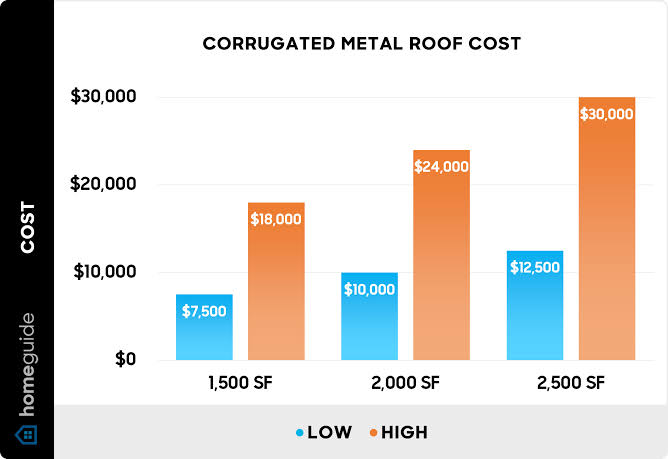
Generally, you can expect to pay between $9 and $14 per square foot for a complete professional installation of a standing seam steel roof. For exposed fastener panels (often used on barns or simpler structures), the cost drops to roughly $7 to $10 per square foot.
It is crucial to distinguish between “material only” costs and “installed” costs. While you might find steel panels for $3–$5 per square foot at a big-box store, this does not include underlayment, flashing, trim, labor, or waste removal. A professional installation ensures warranty validity and proper weatherproofing, which is where the bulk of the investment lies.
Why Does Price Vary So Much?
Several factors influence the final quote you receive from contractors:
- Gauge Thickness: Lower gauge numbers mean thicker, stronger steel. 24-gauge is standard for residential use, while 26-gauge is thinner and cheaper but less durable against hail.
- Finish and Coating: Premium coatings like Kynar 500 offer superior fade resistance and longevity compared to standard polyester paints, adding to the cost.
- Roof Complexity: A simple gable roof is far cheaper to install than a roof with multiple valleys, dormers, chimneys, and steep pitches.
- Location: Labor rates in urban areas like New York or San Francisco are significantly higher than in rural Midwest regions.
Standing Seam vs. Exposed Fastener: Which Is Worth It?
Not all steel roofs are created equal. The two most common types for residential properties have distinct price points and performance profiles.
| Feature | Standing Seam Steel | Exposed Fastener Steel |
|---|---|---|
| Avg. Cost Per Sq. Ft. | $9 – $14+ | $7 – $10 |
| Fastener Visibility | Hidden clips | Visible screws |
| Lifespan | 40–60+ years | 20–30 years |
| Maintenance | Low | Moderate (screw checks) |
| Aesthetic Appeal | Sleek, modern | Industrial, rustic |
Standing seam roofs are the gold standard for residential homes. The fasteners are hidden beneath the panels, eliminating the primary entry point for leaks. As the metal expands and contracts with temperature changes, the hidden clips allow for movement without stressing the screw holes. This durability justifies the higher upfront cost.
Exposed fastener systems, often called “ag panels,” are screwed directly into the roof deck. Over time, thermal expansion can loosen these screws, requiring periodic maintenance. They are an excellent budget-friendly option for sheds, garages, or homeowners planning to sell within a decade, but they lack the longevity of standing seam systems.
Hidden Costs and Additional Expenses
When calculating how much does a steel roof cost per square foot, you must account for more than just the panels. Here are common additional expenses that catch homeowners off guard:
- Old Roof Removal: Removing existing shingles typically costs $1–$3 per square foot. Some contractors may install steel over existing shingles if local codes allow, saving money but potentially voiding warranties.
- Decking Repair: If your roof deck (plywood or OSB) is rotted or damaged, replacement costs range from $2 to $4 per square foot for materials and labor.
- Underlayment: High-quality synthetic underlayment is essential for moisture protection. Expect to pay an additional $0.50–$1.00 per square foot.
- Trim and Flashing: Custom flashing around chimneys, vents, and valleys is labor-intensive. This can add 10–15% to the total material cost.
According to industry standards, proper flashing installation is critical for preventing leaks. For more detailed technical specifications on roofing materials, you can refer to general construction guidelines on Wikipedia.
Long-Term Value: Is Steel Roofing Cheaper in the Long Run?
While the initial outlay for steel is higher than asphalt shingles, the lifecycle cost tells a different story. Asphalt shingles typically last 15–20 years and may need replacement twice during the lifespan of a single steel roof.
Energy Efficiency Savings
Steel roofs reflect solar radiant heat, which can reduce cooling costs by 10–25%. Many steel roofs come with cool-roof pigments that meet Energy Star standards. In hot climates, this energy savings can offset a portion of the installation cost over time.
Insurance Discounts
Many insurance companies offer discounts of 5–15% on homeowners’ premiums for metal roofs due to their Class A fire rating and resistance to wind and hail. Over 20 years, these savings can amount to thousands of dollars.
Resale Value
A new steel roof is a major selling point. Real estate experts suggest that a metal roof can increase a home’s resale value by 1–6%, depending on the market. Buyers appreciate the “install it and forget it” nature of steel roofing.
How to Get an Accurate Quote
To ensure you are comparing apples to apples, follow these steps when soliciting bids:
- Get Three Quotes: Always obtain at least three detailed estimates from licensed and insured contractors.
- Check References: Ask for photos of previous projects and contact past clients.
- Verify Warranty: Look for both a manufacturer’s warranty (on the paint and steel) and a workmanship warranty (from the installer). A reputable installer should offer at least a 5-year workmanship guarantee.
- Ask About Gauge: Confirm the gauge of the steel being quoted. Ensure it is 24-gauge or lower for residential standing seam applications.
FAQ Section
1. Is a steel roof louder than shingles during rain?
No, this is a common myth. When installed correctly with solid sheathing and proper insulation, a steel roof is no louder than an asphalt shingle roof. In fact, many homeowners report it sounds quieter due to the added mass and insulation layers.
2. Will a steel roof attract lightning?
Steel roofs do not attract lightning. Lightning strikes are determined by height and geography, not material. However, because steel is conductive, it safely disperses the energy if struck, reducing the risk of fire compared to combustible materials like wood shakes.
3. Can I walk on a steel roof?
You can, but caution is required. Walking on standing seam roofs should be done carefully to avoid damaging the seams. It is best to wear soft-soled shoes and walk on the flat areas of the panel, not the ribs. For steep roofs, always use safety harnesses.
4. How long does it take to install a steel roof?
For an average-sized home (2,000–2,500 sq. ft.), a professional crew can typically complete a standing seam steel roof installation in 3 to 5 days. This includes removing the old roof (if applicable), preparing the deck, and installing the new system.
5. Does steel rust?
Modern residential steel roofing is galvanized (coated with zinc) and painted with high-performance coatings like Kynar 500. This makes it highly resistant to rust and corrosion. Unless the coating is severely scratched and left untreated for years, rust is rarely an issue in standard environments.
Conclusion
Deciding how much does a steel roof cost per square foot involves looking beyond the initial price tag. While you may pay $9–$14 per square foot upfront, the durability, energy efficiency, and low maintenance of steel roofing offer substantial long-term savings. It is an investment that protects your home for decades rather than years.
If you are ready to upgrade your home’s defense against the elements, start gathering quotes from reputable local contractors today. Remember, the cheapest bid is not always the best value—prioritize quality installation and strong warranties.
Found this guide helpful? Share it with your friends on Facebook or Pinterest who are also considering a roof upgrade!