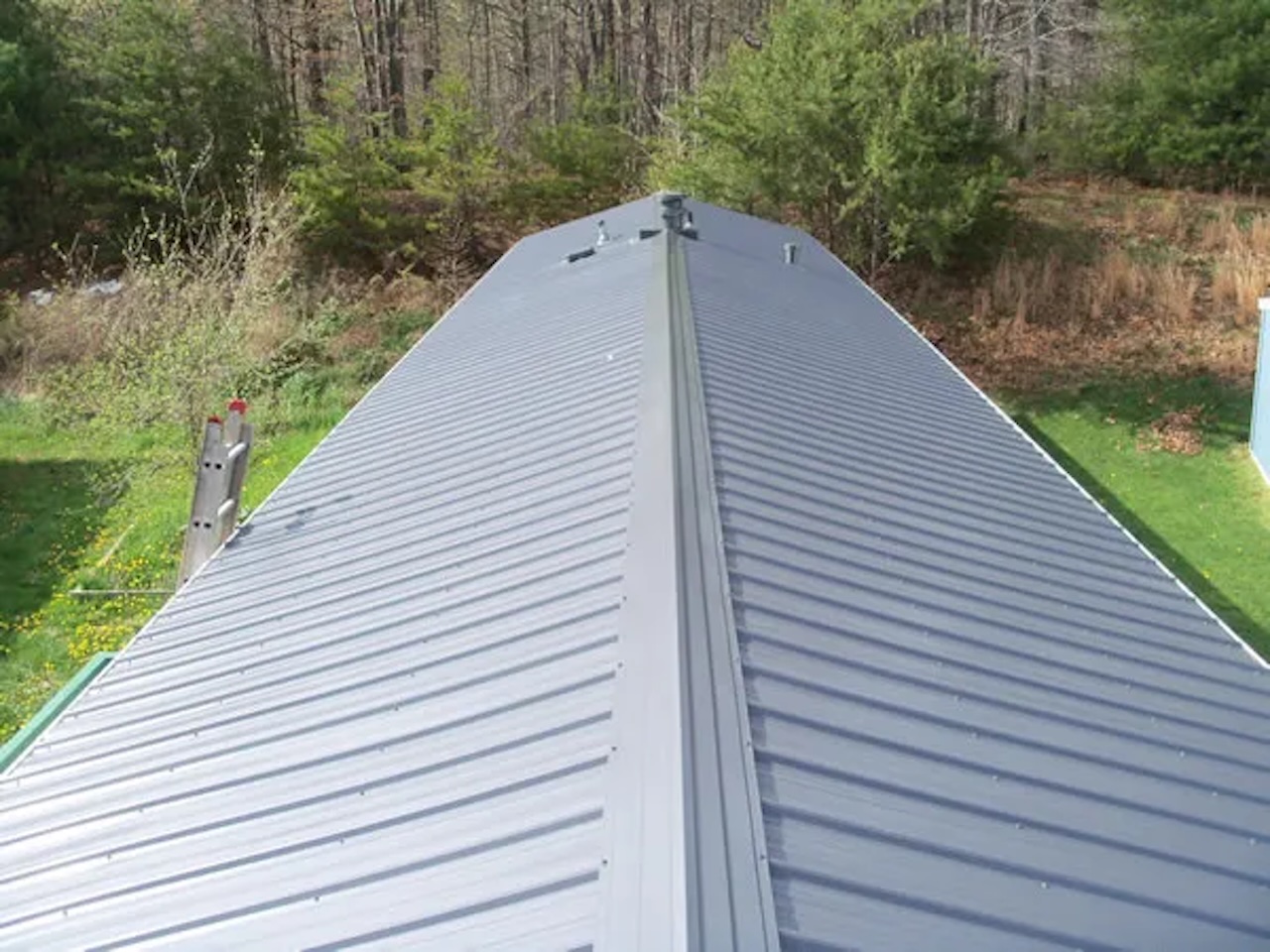
Have you noticed your current shingle roof leaking or deteriorating faster than expected? Many manufactured housing owners face this dilemma, leading them to ask: Can you put a metal roof on a mobile home? The short answer is yes, and it is often one of the smartest investments you can make for your property’s longevity and energy efficiency.
Unlike traditional site-built houses, mobile homes have unique structural considerations. However, with the right approach, a metal roof can transform your living space, offering superior protection against harsh weather while significantly boosting curb appeal. In this guide, we will break down everything you need to know, from structural integrity to cost analysis, ensuring you make an informed decision.
Is It Structurally Safe to Install Metal on a Mobile Home?
The primary concern for any homeowner considering this upgrade is safety. Mobile homes, also known as manufactured homes, are built on a steel chassis and designed to be lightweight. This leads many to worry that the added weight of metal panels might overwhelm the structure.
Fortunately, modern standing-seam metal roofing is surprisingly lightweight. In fact, it often weighs less than traditional asphalt shingles. A typical square (100 square feet) of asphalt shingles can weigh between 200 to 350 pounds, whereas a square of metal roofing typically weighs only 50 to 150 pounds, depending on the gauge and type.
However, “lightweight” does not mean “no preparation needed.” Before installation, a professional must inspect the existing roof trusses and decking. Older mobile homes may have weakened wood due to moisture intrusion. If the underlying structure is compromised, it must be repaired before any new roofing material is applied. According to general construction standards, the roof must be able to support not just the static weight of the metal, but also dynamic loads like snow and wind uplift.
For peace of mind, always consult with a structural engineer or a certified roofing contractor who specializes in manufactured housing. They can verify that your specific home model can handle the transition without requiring extensive reinforcement.
What Are the Benefits of Choosing Metal Over Shingles?
Why are so many mobile home owners making the switch? The advantages go beyond just aesthetics. Here is a breakdown of why metal is becoming the preferred choice for manufactured homes.
1. Exceptional Durability and Lifespan
Asphalt shingles on mobile homes often last only 10–15 years due to the flexible nature of the structure and exposure to elements. In contrast, a properly installed metal roof can last 40 to 70 years. It resists cracking, shrinking, and eroding, making it ideal for long-term residency.
2. Energy Efficiency
Mobile homes are notorious for poor insulation. Metal roofs reflect solar radiant heat, which can reduce cooling costs by 10–25%. This is particularly beneficial in hotter climates where air conditioning bills can skyrocket during summer months.
3. Weather Resistance
Manufactured homes are often located in areas prone to high winds or heavy rain. Metal roofing systems, especially those with standing seams, offer superior resistance to wind uplift (often rated for winds up to 140 mph) and shed snow and rain effectively, preventing water pooling and leaks.
4. Low Maintenance
Unlike shingles that require periodic inspection for missing granules or curling edges, metal roofs require minimal maintenance. An occasional rinse with a garden hose is usually sufficient to keep them looking new.
Metal Roof vs. Asphalt Shingles: A Quick Comparison
To help you visualize the differences, here is a comparative table of the two most common roofing materials for mobile homes.
| Feature | Metal Roofing | Asphalt Shingles |
|---|---|---|
| Lifespan | 40–70+ Years | 10–20 Years |
| Weight | Light (50–150 lbs/sq) | Heavy (200–350 lbs/sq) |
| Cost (Initial) | Higher ($9–$14 per sq. ft.) | Lower ($3–$5 per sq. ft.) |
| Maintenance | Very Low | Moderate to High |
| Energy Efficiency | High (Reflective) | Low (Absorbs Heat) |
| Resale Value | Increases Significantly | Minimal Impact |
Note: Costs are estimates and vary by region and material quality.
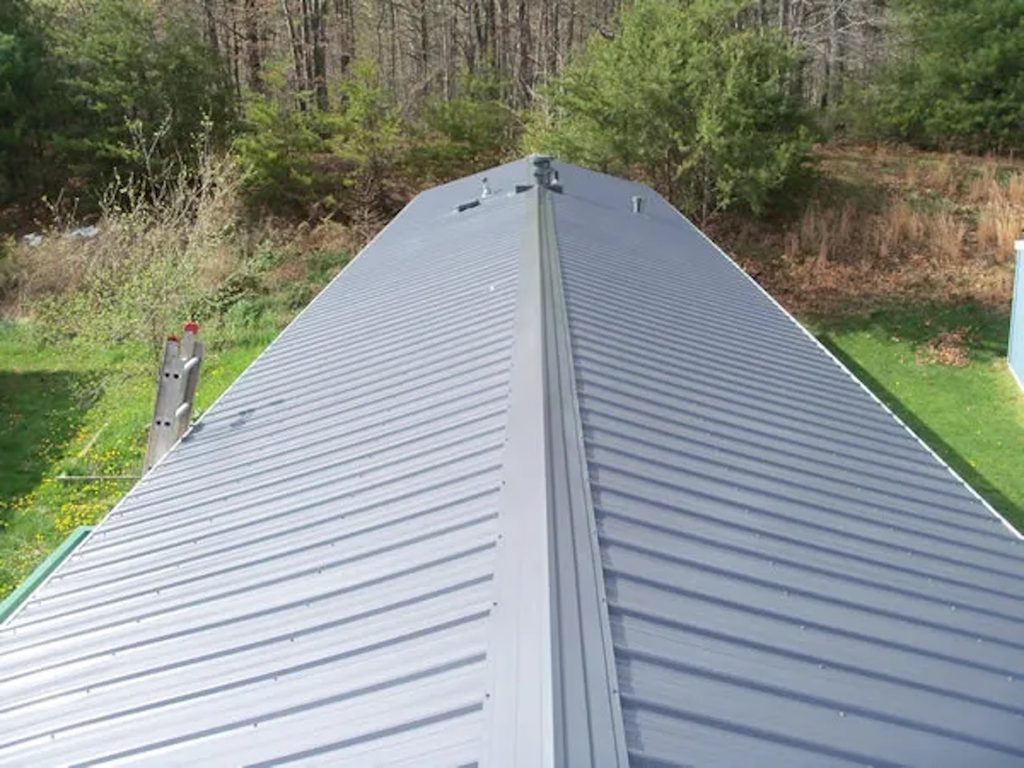
How Much Does It Cost to Put a Metal Roof on a Mobile Home?
Budgeting is a critical part of the decision-making process. While the upfront cost of metal roofing is higher than asphalt, the long-term savings often justify the investment.
On average, installing a metal roof on a single-wide mobile home (approximately 1,000–1,200 square feet) can range from $9,000 to $14,000. For a double-wide home (1,500–2,000 square feet), expect to pay between $13,500 and $28,000.
Several factors influence this price:
- Material Type: Galvanized steel is more affordable, while aluminum or copper commands a premium.
- Roof Complexity: A simple gable roof is cheaper to install than a hip roof with multiple valleys.
- Removal of Old Roof: If the existing shingles must be torn off, add $1,000–$3,000 to the total cost.
- Labor Rates: Prices vary significantly by location and contractor availability.
Despite the higher initial price tag, consider the Return on Investment (ROI). A metal roof can increase your home’s resale value and eliminate the need for replacement every 15 years. Over a 30-year period, you might replace asphalt shingles twice, whereas the metal roof remains intact.
Step-by-Step Installation Guide
If you are hiring a professional, understanding the process helps you monitor quality. If you are a skilled DIYer, these steps outline the general procedure. Note: Always check local building codes and warranty requirements before proceeding.
- Inspection and Permitting: Obtain necessary permits from your local municipality. Inspect the existing roof deck for rot or damage. Replace any compromised plywood or OSB sheathing.
- Preparation of the Surface: Clean the existing roof thoroughly. If installing over existing shingles (check local codes first), ensure they are flat and secure. Install a high-quality synthetic underlayment to provide a secondary water barrier.
- Installing Drip Edge and Flashing: Attach drip edges along the eaves and rakes. Install step flashing around any chimneys, vents, or skylights. This is crucial for preventing leaks.
- Panel Installation: Start at the bottom edge of the roof. Align the first metal panel carefully, ensuring it overhangs the drip edge by about 1–2 inches. Secure panels using screws with rubber washers to prevent water intrusion.
- Seaming and Overlapping: Overlap subsequent panels according to the manufacturer’s specifications (usually 1–2 inches). Use sealant tape or butyl rubber between laps for extra waterproofing.
- Ridge Cap Installation: Once all field panels are in place, install the ridge cap along the peak of the roof. This covers the gap between the two sides and allows for ventilation if using a vented ridge system.
- Final Inspection: Check all screws for tightness. Ensure no metal shavings are left on the roof, as they can rust and stain the finish.
For more detailed technical specifications on roofing materials, you can refer to resources like Wikipedia’s entry on Metal Roofing to understand the different alloys and coatings available.
Frequently Asked Questions (FAQ)
1. Do I need to remove my old shingles before installing metal?
Not always. Many metal roofs can be installed directly over existing asphalt shingles, provided the old roof is in good condition and local building codes allow it. This saves on disposal costs and labor. However, if the old roof is uneven or damaged, removal is recommended to ensure a flat, stable surface.
2. Will a metal roof make my mobile home hotter in the summer?
No, quite the opposite. Metal roofs reflect solar radiation rather than absorbing it. When paired with proper attic ventilation and insulation, a metal roof can keep your home cooler than traditional shingles, reducing air conditioning loads.
3. Is it noisy when it rains on a metal roof?
This is a common myth. Modern metal roofing is installed over solid sheathing and underlayment, which acts as a sound buffer. Most homeowners report that the noise level is comparable to, or even quieter than, asphalt shingles during rainstorms.
4. Can I walk on a metal roof for maintenance?
Yes, but with caution. You should wear soft-soled shoes and walk on the lower parts of the panels where they are supported by the decking. Avoid walking on the ribs or high points, as this can dent the metal. Always use proper safety harnesses if the pitch is steep.
5. What is the best type of metal for a mobile home?
Galvalume (a zinc-aluminum coated steel) is highly recommended for its balance of cost, durability, and corrosion resistance. Aluminum is also excellent, especially in coastal areas prone to salt air, as it does not rust.
Conclusion
So, can you put a metal roof on a mobile home? Absolutely. Not only is it possible, but it is also a highly beneficial upgrade that enhances durability, energy efficiency, and property value. While the initial investment is higher than asphalt, the long-term savings and peace of mind make it a worthwhile consideration for any manufactured home owner.
By choosing metal, you are investing in a roof that protects your home for decades, not just years. Whether you are dealing with frequent leaks or simply want to modernize your home’s appearance, metal roofing offers a robust solution tailored to the unique needs of mobile homes.
Found this guide helpful? Share it with your friends on social media who might be considering a roof upgrade! Let’s help more mobile home owners make smarter, safer choices for their habitats.