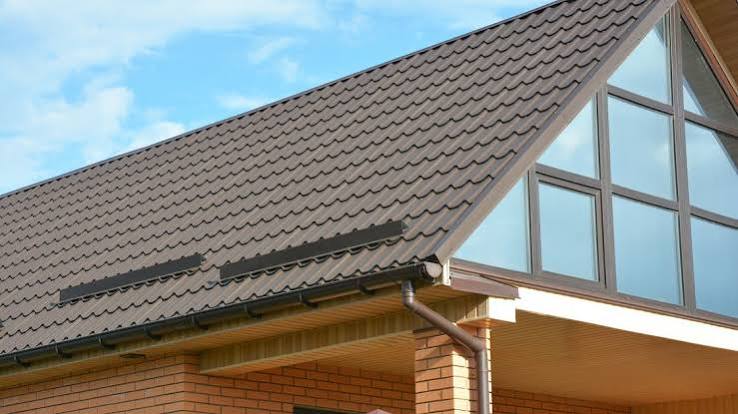
Replacing a roof is one of the most stressful and expensive home maintenance tasks a homeowner can face. When your ceiling starts dripping or shingles go missing, the financial burden can feel overwhelming, especially if you are on a fixed income or facing unexpected hardship. You are not alone in asking, “How do I get a grant for a new roof?” because thousands of Americans search for this solution every month.
The good news is that help exists. While “free money” sounds too good to be true, there are legitimate federal, state, and non-profit programs designed to assist homeowners who cannot afford critical repairs. This guide will walk you through the specific steps, eligibility requirements, and resources available to help you secure the funding you need to keep your home safe and dry.
Understanding the Reality of Roof Grants
Before diving into applications, it is crucial to manage expectations. In the United States, the federal government rarely gives cash directly to individuals for general home improvements. Instead, assistance usually comes in the form of grants (money you do not repay), low-interest loans, or a combination of both.
Most roofing grants are targeted toward specific demographics:
- Low-income households.
- Elderly citizens (typically 62+).
- Veterans with service-connected disabilities.
- Residents in rural areas.
- Victims of natural disasters.
According to data from the U.S. Department of Housing and Urban Development (HUD), housing assistance programs are decentralized. This means the availability of funds depends heavily on your location and local budget allocations. Therefore, knowing where to look is just as important as knowing what to ask for.
Who Is Eligible for Roof Replacement Grants?
Eligibility criteria vary by program, but most share common thresholds. Understanding these early saves you time and prevents disappointment.
Income Limits
Most grants require your household income to be at or below 80% of the Area Median Income (AMI). Some emergency programs may extend this to 120% AMI if you can prove financial hardship due to medical bills or job loss.
Property Ownership
You must own the home and live in it as your primary residence. Investment properties, vacation homes, and rental units generally do not qualify for personal housing grants.
Age and Disability Status
Programs like the Section 504 Home Repair program prioritize applicants who are:
- Age 62 or older.
- Unable to repay a repair loan.
- Living with a disability that affects mobility or safety.
Top Federal Programs for Roof Repair
When researching “how do I get a grant for a new roof,” three major federal sources stand out. These are the most reliable starting points for any homeowner.
1. USDA Section 504 Home Repair Program
This is arguably the most well-known program for rural homeowners. Administered by the U.S. Department of Agriculture, it provides grants to remove health and safety hazards.
- Grant Amount: Up to $10,000.
- Loan/Grant Combo: If you need more than $10,000, you can combine a grant with a low-interest loan up to $40,000.
- Key Requirement: You must live in an eligible rural area (population under 20,000).
- Usage: Funds can be used to repair or replace roofs that pose a safety risk.
2. HUD Title I Property Improvement Loan Insurance
While technically an insurance program for lenders, this HUD initiative makes it easier for homeowners to get loans for home improvements, including roofing. Because the government insures the loan, banks are more willing to lend to people with lower credit scores.
- Best For: Homeowners who have some ability to repay but lack equity or perfect credit.
- Note: This is a loan, not a grant, but it is often the only option for those who do not meet strict poverty guidelines.
3. VA Specially Adapted Housing (SAH) Grant
For veterans, this is a lifeline. The Department of Veterans Affairs offers grants to help servicemembers with certain permanent and total service-connected disabilities buy, build, or modify a home.
- Eligibility: Must have a qualifying disability (e.g., loss of use of limbs, severe burns).
- Coverage: Can cover roof modifications if they are necessary for accessibility or safety related to the disability.
For a broader understanding of how federal housing assistance is structured, you can review the historical context and framework on Wikipedia’s page about the United States Department of Housing and Urban Development.
State and Local Assistance Options
Federal programs are competitive. Often, the easiest path to funding is through state-specific initiatives. Every state has a Weatherization Assistance Program (WAP) funded by the Department of Energy.
While WAP primarily focuses on insulation and HVAC efficiency, many states allow funds to be used for roof repairs if the roof condition prevents effective weatherization. For example, if your roof leaks, installing new insulation is pointless. Therefore, fixing the roof becomes a prerequisite for energy efficiency grants.
How to find your state program:
- Visit the DSIRE (Database of State Incentives for Renewables & Efficiency) website.
- Search for “Home Repair” or “Weatherization” in your state.
- Contact your local Community Action Agency (CAA). These local nonprofits administer federal funds and often have unadvertised local grants.
Step-by-Step Guide: How to Apply
Applying for a grant is a bureaucratic process. Precision and patience are key. Follow these steps to maximize your chances of approval.
Step 1: Document the Damage
Do not just say “my roof is old.” You need proof.
- Take clear, dated photos of leaks, missing shingles, and water damage inside the attic.
- Get a written inspection report from a licensed roofer stating that the roof is beyond repair and needs replacement.
Step 2: Gather Financial Documents
Prepare the following before you start any application:
- Last two years of tax returns.
- Proof of income (pay stubs, Social Security award letters).
- Proof of homeownership (deed or mortgage statement).
- Photo ID.
Step 3: Identify the Right Program
Use the Benefits.gov finder tool. Enter your zip code and situation to see which federal and state programs are active in your area.
Step 4: Submit the Application
Fill out every field completely. Incomplete applications are the number one reason for rejection. If a question does not apply to you, write “N/A” rather than leaving it blank.
Step 5: Follow Up
Government offices are understaffed. Call or email two weeks after submitting to confirm receipt. Ask if any additional documentation is needed.
Common Mistakes to Avoid
Even qualified applicants get rejected. Here is what to watch out for:
| Mistake | Why It Hurts Your Chances | Solution |
|---|---|---|
| Using Unlicensed Contractors | Grants require work to be done by insured, licensed professionals. | Get 3 quotes from licensed local roofers. |
| Starting Work Early | Most grants do not reimburse retroactive costs. | Wait for written approval before signing contracts. |
| Ignoring Deadlines | Funding is often “first-come, first-served.” | Apply as soon as the application window opens. |
| Poor Documentation | Without proof of income or damage, you cannot qualify. | Keep digital and physical copies of all records. |
Frequently Asked Questions (FAQ)
1. Can I get a free roof if I am not low-income?
Generally, no. Most grants are need-based. However, if you live in a disaster-declared area, FEMA may provide assistance regardless of income. Otherwise, you might look into manufacturer rebates or local utility company incentives for energy-efficient roofing materials.
2. How long does it take to receive roof grant funds?
The timeline varies widely. USDA Section 504 grants can take 3 to 6 months to process. State weatherization programs may move faster, sometimes within 4–8 weeks, depending on local funding availability.
3. Do I have to pay back a roof grant?
No. By definition, a grant is gift aid that does not need to be repaid. However, if you receive a loan or a grant-loan combo, you must repay the loan portion according to the agreed terms. Always read the fine print to distinguish between the two.
4. What if my application is denied?
Ask for the specific reason for denial. Often, it is a missing document or a technicality. You may be able to appeal the decision or reapply once you correct the issue. Additionally, ask the caseworker if there are other local charities or church organizations that offer emergency home repair funds.
5. Can I use a grant to install solar panels on my new roof?
Some programs, like certain state-level energy efficiency grants, may allow combined projects. However, standard housing repair grants (like USDA 504) are strictly for health and safety. You would likely need to apply for separate renewable energy incentives for the solar component.
Conclusion
Finding out how do I get a grant for a new roof requires research, patience, and thorough documentation. While there is no single “easy button,” programs like the USDA Section 504, VA SAH grants, and state weatherization initiatives offer real financial relief to those who qualify.
Remember, the key to success is acting quickly, gathering solid proof of need, and targeting the right program for your demographic. Do not let the complexity of the application process discourage you; a safe, dry home is worth the effort.
If you found this guide helpful, please share it on social media to help friends and family who might be struggling with their own home repairs. Together, we can make safe housing accessible for everyone.