Roof replacement is one of the most invasive home improvement projects a homeowner can undertake. It involves heavy machinery, constant hammering, and workers moving across your property from dawn until dusk. Naturally, many homeowners ask themselves: Can you live in house while roof is being replaced?
The short answer is yes, technically you can stay, but it requires significant preparation and mental resilience. While it saves you the cost of a hotel, the disruption to your daily routine is substantial. This guide will walk you through exactly what to expect, how to prepare, and whether staying put is the right choice for your family.
What to Expect: Noise, Dust, and Disruption
Before making your decision, you must understand the reality of the work environment. A roof replacement is not a quiet, clean process.
The Noise Factor
The sound of a roofing crew at work is intense. You will hear:
- Tearing off old shingles: This sounds like loud crunching and tearing.
- Hammering and nailing: Pneumatic nail guns fire hundreds of times per hour.
- Debris falling: Shingles and nails hitting the ground or dump trailers create sharp, sudden noises.
According to occupational safety standards, construction noise often exceeds 85 decibels, which is comparable to a lawnmower or a busy city street. If you work from home, have infants, or are sensitive to noise, this can be overwhelming.
Dust and Debris
Even with protective measures, dust is inevitable. As old shingles are ripped up, granules and dirt fall into gutters and onto the ground. Wind can carry fine particulate matter into open windows or attic vents.
Pro Tip: Close all windows and seal any gaps in your attic access points before the crew arrives. This minimizes the amount of dust entering your living space.
Safety Concerns: Is It Safe to Stay Inside?
Safety is the primary concern when deciding whether to vacate your home. Generally, professional roofing contractors follow strict safety protocols, but risks remain.
Falling Objects
The most significant danger is falling debris. While crews use tarps and chutes to direct waste into dumpsters, small nails, shingle fragments, and tools can occasionally slip.
- Keep vehicles moved: Park your cars away from the drop zone.
- Avoid the perimeter: Do not let children or pets play in the yard near the house.
Structural Integrity
Your home’s structure remains intact during a roof replacement. The roof deck (the wooden layer under the shingles) is exposed only in small sections at a time. Contractors typically replace one “square” (10×10 feet) or less before covering it again. Therefore, the risk of water intrusion or structural collapse is minimal if you hire a reputable company.
For more information on building safety standards, you can refer to general guidelines provided by Wikipedia.
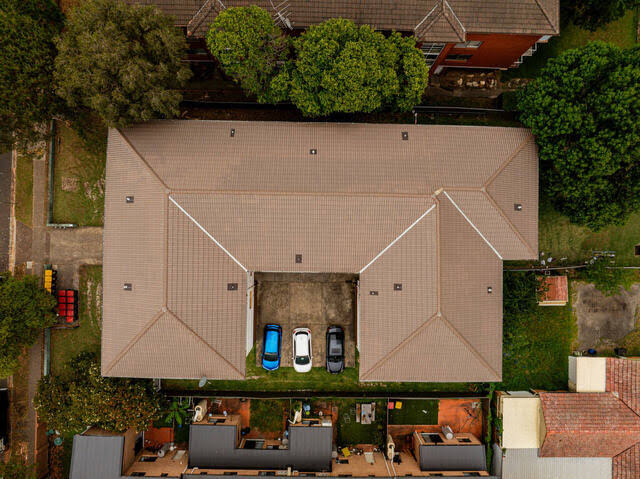
Pros and Cons of Staying Home During Reroofing
To help you decide, here is a breakdown of the advantages and disadvantages of staying in your home versus leaving.
| Feature | Staying Home | Leaving (Hotel/Relatives) |
|---|---|---|
| Cost | Free (no accommodation costs) | High (hotel bills, meals out) |
| Convenience | Access to your kitchen, bed, and clothes | Inconvenient packing/unpacking |
| Noise Level | High disturbance; hard to concentrate | Peaceful and quiet |
| Supervision | You can monitor the crew’s progress | No direct oversight |
| Stress | High due to chaos and dirt | Low; you return to a finished job |
| Pet Safety | Pets may be stressed by noise/strangers | Pets need boarding or care elsewhere |
When You Should Definitely Leave
Consider temporary relocation if:
- You have newborns or elderly family members who need quiet.
- You work from home and require a quiet environment for calls.
- You have pets that are anxious around strangers or loud noises.
- The weather forecast predicts heavy rain, which increases the risk of leaks during the transition period.
How to Prepare Your Home If You Decide to Stay
If you choose to stay, preparation is key to minimizing stress. Follow these steps to protect your home and sanity.
Step 1: Clear the Perimeter
Move all outdoor furniture, grills, potted plants, and vehicles at least 20 feet away from the house. This prevents damage from falling debris and gives the crew space to work safely.
Step 2: Protect Your Interior
- Cover Attic Items: Dust will settle in your attic. Cover stored boxes with plastic sheets.
- Secure Wall Art: Vibrations from hammering can cause pictures to fall. Take down fragile items on upper-floor walls.
- Close Windows: Keep windows shut to prevent dust and noise from entering. Use air conditioning if necessary.
Step 3: Plan for Power Outages
Occasionally, workers may accidentally disconnect power lines or trip breakers. Charge your phones and laptops the night before. Have flashlights ready.
Step 4: Communicate with the Crew
Establish a clear line of communication with the foreman. Ask them:
- What time will they start and finish each day?
- Where will they place the dumpster?
- Who is the point of contact for emergencies?
FAQ: Common Questions About Living Through a Roof Replacement
1. How long does a typical roof replacement take?
Most residential roof replacements take 1 to 3 days, depending on the size of the roof, the material used, and the weather. Larger homes or complex roofs with multiple valleys may take up to a week.
2. Will my Wi-Fi be affected?
Wi-Fi signals themselves are not affected, but if your router is in the attic or near the roofline, vibrations could dislodge cables. Additionally, if power flickers, your router will reboot. It is wise to move your router to a central, lower-level location during the project.
3. Can I stay in the house if it rains?
If it rains lightly, the crew will pause work and cover exposed sections with tarps. You can stay inside, but be prepared for potential minor leaks if the tarping is not perfect. In case of heavy storms, it is safer to leave if possible, as water intrusion risk increases.
4. What should I do with my pets?
Pets are often terrified of the noise and the presence of strangers. It is highly recommended to board them or keep them in a quiet, interior room far from the work area. Ensure they have water and comfort items. Never let pets outside unsupervised during the work hours.
5. Will the contractors need access to my electricity or water?
Most roofing crews bring their own generators and water. However, some may ask to use an outdoor outlet for compressors. Clarify this during the initial estimate phase so you are not caught off guard.
6. How do I handle mail and deliveries?
Inform delivery services (Amazon, UPS, FedEx) to pause deliveries or redirect packages to a locker. Mail carriers may still deliver, but ensure your mailbox is accessible and not blocked by the dumpster or crew trucks.
Conclusion
So, can you live in house while roof is being replaced? Yes, you can, but it is not for everyone. If you value cost savings and don’t mind noise and dust, staying home is feasible with proper preparation. However, if you prioritize peace, quiet, and convenience, investing in a few nights at a hotel might be worth the expense.
Regardless of your choice, hiring a licensed, insured, and reputable roofing contractor is the most critical step. They will ensure the job is done safely and efficiently, minimizing the impact on your life.
Did you find this guide helpful? Share it with friends or family who are planning a home renovation! Let us know in the comments if you chose to stay or leave during your roof replacement.