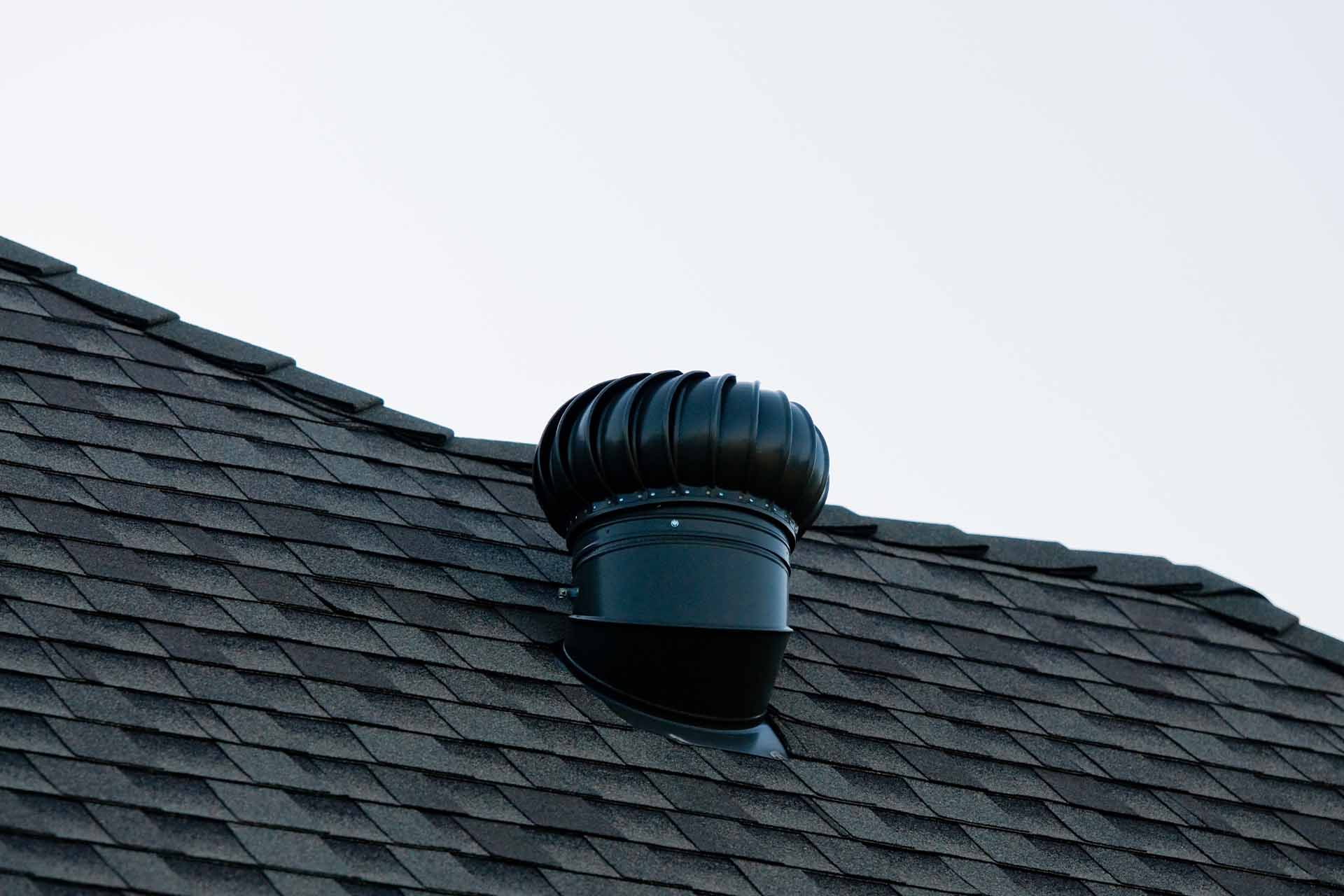
Are you struggling with stagnant air, excessive heat buildup, or moisture issues in your commercial building or large residential space? You are not alone; many property owners face these challenges until they invest in proper ventilation solutions. Understanding the Price On A Mixed Air Roof Exhaust Fan Roof Vent is the first step toward creating a healthier, more energy-efficient environment without breaking the bank.
In this guide, we will break down exactly what influences the cost, provide realistic price ranges, and help you determine if this investment is right for your property. We aim to simplify the technical jargon so you can make an informed decision with confidence.
What Is a Mixed Air Roof Exhaust Fan?
Before diving into the numbers, it is crucial to understand what you are buying. A mixed air roof exhaust fan is not just a simple hole in the roof. It is a sophisticated mechanical device designed to expel stale, hot, or contaminated air from the interior of a building while often integrating with fresh air intake systems.
Unlike standard static vents, these fans use motorized impellers to actively pull air out. The term “mixed air” often refers to systems that balance exhaust with fresh air intake to maintain positive or neutral pressure, preventing backdrafts and ensuring consistent airflow. This balance is critical for industrial kitchens, manufacturing plants, and large office buildings where air quality directly impacts productivity and health.
How Much Does a Mixed Air Roof Exhaust Fan Cost?
The Price On A Mixed Air Roof Exhaust Fan Roof Vent varies significantly based on capacity, brand, and features. Generally, you can expect the following price brackets for the unit itself (excluding installation):
- Small Residential/Light Commercial (100–500 CFM): $150 – $400
- Medium Commercial (500–1,500 CFM): $400 – $900
- Large Industrial (1,500+ CFM): $900 – $2,500+
Note: CFM stands for Cubic Feet per Minute, which measures the volume of air the fan can move.
Factors Influencing the Price
Several key factors drive the cost up or down. Understanding these will help you budget accurately.
- Airflow Capacity (CFM): The higher the CFM, the larger the motor and housing required. A fan moving 2,000 CFM will cost significantly more than one moving 500 CFM.
- Motor Type: Standard AC motors are cheaper but less efficient. ECM (Electronically Commutated Motors) are more expensive upfront but offer variable speed control and significant energy savings over time.
- Material Quality: Fans made from galvanized steel are standard. However, if you are in a coastal area or dealing with corrosive fumes, you may need aluminum or stainless steel housings, which can increase the price by 30–50%.
- Features: Added features like weather hoods, bird screens, backdraft dampers, and smart thermostats add to the base cost.
Installation Costs: What to Expect
Buying the unit is only half the equation. Professional installation is highly recommended due to the complexities of roofing and electrical work.
| Installation Component | Estimated Cost Range |
|---|---|
| Labor (Per Hour) | $75 – $150 |
| Roof Curb/Flashing | $100 – $300 |
| Electrical Wiring | $200 – $600 |
| Total Installation | $500 – $1,500+ |
If your roof requires structural reinforcement or if the electrical panel needs an upgrade to handle the new load, costs can rise further. Always get at least three quotes from licensed HVAC contractors.
People Also Ask: Common Questions Answered
To help you navigate the purchasing process, we have addressed the most common questions found in search results regarding the Price On A Mixed Air Roof Exhaust Fan Roof Vent.
1. Is a mixed air exhaust fan better than a standard attic fan?
Yes, for commercial or large-scale applications. Standard attic fans are typically passive or low-power active units designed for residential attics. A mixed air exhaust fan is engineered for higher static pressure and continuous operation. It integrates better with HVAC systems to manage pressure differentials, which standard fans cannot do effectively. While the initial Price On A Mixed Air Roof Exhaust Fan Roof Vent is higher, the long-term benefits in air quality and system efficiency outweigh the costs for larger buildings.
2. How does energy efficiency affect the total cost of ownership?
Energy efficiency is a hidden cost factor. A cheaper fan with a standard motor may consume 30% more electricity than a premium model with an ECM motor. Over a five-year period, the energy savings from a high-efficiency unit can offset the higher upfront purchase price. Look for fans with ENERGY STAR ratings or high efficiency metrics. According to the U.S. Department of Energy, efficient ventilation systems can reduce overall HVAC loads by improving thermal comfort and reducing the need for excessive cooling.
3. Can I install this myself to save money?
While DIY installation is possible for handy homeowners, it is generally discouraged for mixed air systems. These units require precise sealing to prevent roof leaks and correct electrical wiring to ensure safety and code compliance. Improper installation can void warranties and lead to costly water damage. If you choose DIY, ensure you have experience with roofing flashing and low-voltage or line-voltage electrical connections. However, for most users, professional installation ensures longevity and performance.
4. What maintenance costs should I anticipate?
Maintenance is minimal but essential. You should plan for:
- Annual Inspection: Check for debris, bird nests, or rust. ($0 if DIY, $100–$200 if professional).
- Bearing Lubrication: Some models require annual greasing.
- Belt Replacement: If the fan uses belt-driven motors, belts may need replacement every 2–3 years ($20–$50).
Regular maintenance extends the lifespan of the fan from 10 years to 15+ years, protecting your initial investment.
Choosing the Right Brand: A Quick Comparison
Not all fans are created equal. Here is a brief overview of reputable brands in the market:
- Greenheck: Known for durability and high-performance industrial fans. Higher price point but excellent warranty support.
- Loren Cook: Offers a wide range of sizes and custom options. Mid-to-high price range.
- Broan-NuTone: More focused on residential and light commercial. Lower price point, easier to find in local stores.
- Delta Breez: Innovative designs with smart sensors. Competitive pricing for tech-forward solutions.
When evaluating the Price On A Mixed Air Roof Exhaust Fan Roof Vent, consider the warranty length. A longer warranty often indicates manufacturer confidence in product durability.
Step-by-Step Guide to Budgeting for Your Vent
To ensure you do not overspend, follow this logical budgeting process:
- Calculate Required CFM: Determine the volume of your space and the number of air changes per hour needed. For example, a kitchen may need 15–20 air changes per hour, while an office may only need 4–6.
- Select the Type: Decide between direct-drive (lower maintenance) or belt-drive (easier motor replacement) based on your technical comfort level.
- Get Quotes: Contact three local suppliers for the unit price and three contractors for installation.
- Check for Rebates: Many utility companies offer rebates for installing energy-efficient ventilation equipment. This can reduce the net cost by $100–$500.
- Factor in Accessories: Do not forget to budget for rain caps, vibration isolators, and control switches.
Why Investing in Quality Matters
Opting for the cheapest option can be a false economy. Low-quality fans often suffer from:
- Noise Issues: Poorly balanced impellers create annoying hums or rattles.
- Premature Failure: Cheap bearings wear out quickly, especially in extreme weather.
- Leakage: Inferior flashing kits lead to roof leaks, causing thousands of dollars in interior damage.
By investing in a reputable brand and professional installation, you ensure reliable performance. This reliability translates to better indoor air quality, which is linked to improved employee productivity and reduced health complaints.
Conclusion
Understanding the Price On A Mixed Air Roof Exhaust Fan Roof Vent involves looking beyond the sticker price. You must consider installation, energy efficiency, maintenance, and the specific needs of your building. While prices range from $150 for small units to over $2,500 for industrial giants, the right choice balances cost with performance.
Remember, a well-ventilated building is a healthy building. By choosing the right fan and installing it correctly, you invest in the longevity of your property and the well-being of its occupants.
Did you find this guide helpful? Share it with your network on LinkedIn or Facebook to help other property owners make smarter HVAC decisions. If you have specific questions about your project, leave a comment below!