Tag: humane wildlife exclusion

  • How Do I Get Rid Of Squirrels In My Roof?

    How Do I Get Rid Of Squirrels In My Roof?

    Hearing scratching, scurrying, or thumping noises in your attic can be incredibly stressful. It disrupts your sleep, raises concerns about property damage, and leaves you feeling helpless in your own home. If you are asking yourself, “How do I get rid of squirrels in my roof?” you are not alone; thousands of homeowners face this exact challenge every year. The good news is that with the right approach, you can resolve this issue humanely and effectively without causing further harm to your property or the animals.

    Why Are Squirrels in Your Attic?

    Before we dive into removal tactics, it is crucial to understand why they chose your roof. Squirrels are not random invaders; they are strategic survivors. They seek three main things: warmth, safety, and nesting materials.

    Your attic provides an ideal environment that mimics a hollow tree but with better insulation. According to wildlife experts, squirrels often enter attics during late winter to breed or in early autumn to prepare for colder months. A single female squirrel can have two litters a year, meaning a small problem can quickly become a large infestation if left unchecked. Understanding their motivation helps you anticipate their behavior and choose the most effective removal strategy.

    Step-by-Step Guide: How to Humanely Remove Squirrels

    Removing squirrels requires patience and adherence to local wildlife laws. In many US states, it is illegal to trap and relocate squirrels without a permit, or to harm them directly. Therefore, the “exclusion method” is widely regarded as the most ethical and effective long-term solution.

    1. Identify All Entry Points

    You cannot fix what you cannot see. Squirrels can squeeze through holes as small as 1.5 inches in diameter. Walk around the exterior of your house and look for:

    • Gaps in the fascia boards.
    • Damaged roof vents.
    • Cracks in the siding near the roofline.
    • Openings around chimney stacks.

    Mark these spots with chalk or tape. It is common to find multiple entry points, even if you only hear noise in one area.

    2. Confirm the Nest is Empty

    This is the most critical step. Never seal an entry point if babies are inside. If you trap nursing mothers outside, the infants will starve and die inside your walls, leading to severe odor and sanitation issues.

    To check if the nest is active:

    • Listen for high-pitched chirping (babies) versus heavy thumping (adults).
    • Use a flashlight to peek into accessible vents.
    • Observe the entry point at dawn and dusk when squirrels are most active.

    If you suspect babies are present, wait until they are old enough to leave the nest (usually 6–8 weeks) or contact a professional wildlife rehabilitator.

    3. Install One-Way Exclusion Devices

    Instead of trapping, use a one-way door. This device allows squirrels to exit your attic to find food but prevents them from re-entering.

    How to install it:

    1. Seal all secondary entry points with steel wool or hardware cloth. Leave only the main entry hole open.
    2. Attach the one-way exclusion cone over the main hole.
    3. Secure it tightly with screws or heavy-duty staples.
    4. Wait 3–5 days. Monitor the device to ensure all squirrels have exited.

    4. Permanently Seal the Entry Points

    Once you are certain the attic is empty, remove the one-way door and permanently seal the hole.

    MaterialEffectivenessDurabilityCost
    Steel Wool + CaulkHighMediumLow
    Hardware Cloth (1/4 inch)Very HighHighMedium
    Expanding FoamLowLowLow
    Wood PlanksMediumMediumMedium

    Pro Tip: Avoid using expanding foam alone. Squirrels can easily chew through dried foam. Always cover foam with metal mesh or use hardware cloth stapled securely over the opening. For more details on rodent-proofing materials, you can refer to general pest management principles outlined on Wikipedia.

    5. Clean and Sanitize the Attic

    Squirrel urine and feces can carry diseases such as leptospirosis and salmonella. After removal:

    • Wear an N95 mask and gloves.
    • Remove contaminated insulation.
    • Disinfect surfaces with an enzymatic cleaner designed for pet waste.
    • Consider replacing insulation to eliminate lingering odors that might attract new pests.
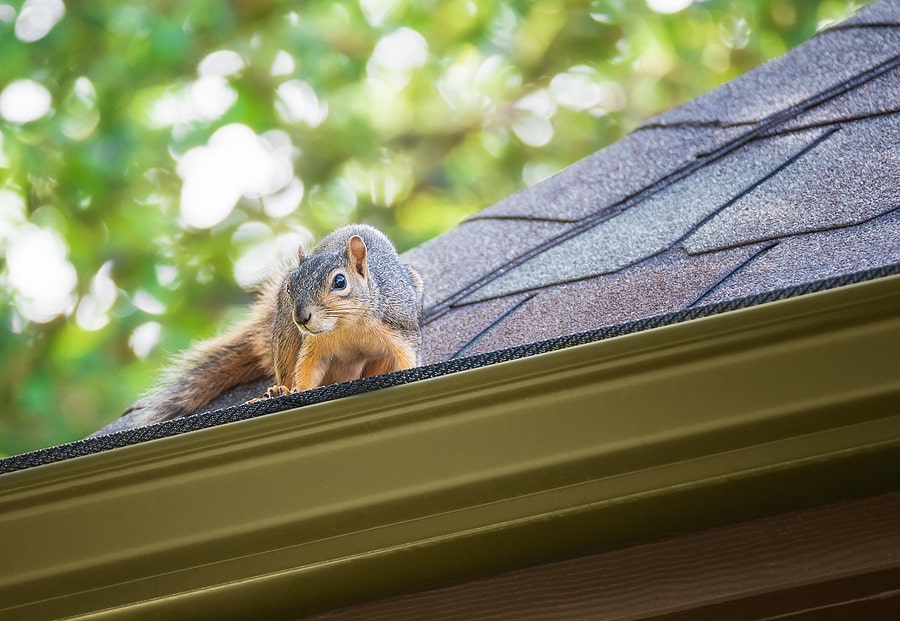
    How Do I Get Rid Of Squirrels In My Roof

    Common Mistakes to Avoid

    Many homeowners try quick fixes that ultimately fail or cause more damage. Here are the top pitfalls:

    • Using Poison: This is inhumane and dangerous. A poisoned squirrel may die in inaccessible wall cavities, causing rot and attracting flies and beetles. Furthermore, poison poses a risk to pets and local wildlife like owls or hawks that may eat the poisoned squirrel.
    • Trapping Without Exclusion: If you trap and remove a squirrel but do not seal the entry points, another squirrel will simply move in. Nature abhors a vacuum, and your warm attic is prime real estate.
    • Ignoring the Landscape: Squirrels are excellent jumpers. Trim tree branches at least 6–8 feet away from your roofline. This removes their “highway” to your home.

    When to Call a Professional

    While DIY methods work for minor cases, some situations require expert intervention. You should call a licensed wildlife control operator if:

    1. You cannot locate the entry point.
    2. There are signs of a large infestation (multiple noises, strong ammonia smell).
    3. You suspect rabies or other diseases (aggressive behavior, disorientation).
    4. The structural damage to your roof is extensive.

    Professional services typically cost between $300 and $600, depending on the complexity of the job. While this is an investment, it ensures the job is done correctly and often includes a warranty on the exclusion work.

    FAQ Section

    Q1: Will mothballs keep squirrels out of my attic?

    A: No, mothballs are not effective for squirrels. They contain naphthalene or paradichlorobenzene, which are toxic to humans and pets but rarely deter determined squirrels. Moreover, using mothballs in an attic can create hazardous air quality levels in your living space below.

    Q2: Can squirrels chew through metal?

    A: Squirrels have incredibly strong teeth and can chew through wood, plastic, vinyl, and even soft metals like aluminum flashing. However, they cannot chew through hardened steel or heavy-gauge hardware cloth (1/4 inch mesh or smaller). Always use steel-based materials for sealing.

    Q3: How long does it take to get rid of squirrels?

    A: Using the exclusion method, it typically takes 3 to 7 days for all squirrels to leave. Afterward, sealing and cleaning may take an additional 1–2 days. If you use trapping, it may take longer depending on how many squirrels are present and their wariness of traps.

    Q4: Is it legal to trap squirrels in my state?

    A: Laws vary significantly by state and municipality. In many places, relocating wildlife is prohibited because it spreads disease and disrupts local ecosystems. Always check with your local Department of Natural Resources (DNR) or fish and wildlife agency before setting traps.

    Q5: What smells do squirrels hate?

    A: Squirrels dislike strong scents such as peppermint oil, cayenne pepper, and garlic. While spraying these around entry points may act as a temporary deterrent, they are not a permanent solution. Rain and wind wash these scents away quickly, and squirrels often become habituated to them.

    Q6: Will removing squirrels damage my roof?

    A: If done correctly, no. The exclusion process involves attaching devices to existing openings. However, improper sealing (like nailing shingles incorrectly) can cause leaks. If you are uncomfortable working on your roof, hire a professional roofer or wildlife expert to handle the physical sealing.

    Conclusion

    Dealing with squirrels in your roof is undeniably frustrating, but it is a solvable problem. By understanding their behavior and using humane exclusion techniques, you can reclaim your home without harming wildlife. Remember, the key to long-term success is not just removal, but prevention. Seal those gaps, trim your trees, and maintain your roof’s integrity.

    If you found this guide helpful, please share it on social media to help friends and neighbors who might be hearing similar noises in their attics. Together, we can promote humane and effective wildlife management practices.
  • Stop Squirrels on Roof: Fast Fixes

    Stop Squirrels on Roof: Fast Fixes

    Have you ever heard the frantic scratching of tiny claws above your head just as you’re trying to relax? It is incredibly frustrating and stressful to deal with unwanted wildlife invading your personal space. If you are asking yourself, “How do I get rid of squirrels on my roof,” you are not alone, and more importantly, there is a solution.

    Squirrels are agile, persistent, and surprisingly destructive. While they may look cute from a distance, having them on your roof can lead to significant structural damage, chewed wiring, and noisy disturbances. In this guide, we will walk you through proven, humane, and effective strategies to reclaim your roof and keep these critters away for good.

    Why Are Squirrels on My Roof in the First Place?

    Before we dive into removal tactics, it is crucial to understand why they are there. Squirrels do not choose your roof randomly. They are driven by three primary instincts: shelter, food, and safety.

    Your roof offers an elevated vantage point that protects them from ground predators like cats and dogs. Furthermore, attics provide warm, dry environments perfect for nesting, especially during breeding seasons in early spring and late summer. According to wildlife experts, a single pair of squirrels can cause thousands of dollars in damage by chewing through wood, insulation, and even electrical wires, which poses a fire hazard.

    Understanding their motivation helps you tailor your approach. If you remove the food source and block the shelter, you remove the incentive for them to stay.

    Immediate Steps to Evict Squirrels Humanely

    When addressing the question of how do I get rid of squirrels on my roof, speed and humanity are key. You want to resolve the issue without harming the animals or violating local wildlife laws.

    1. Identify Entry Points

    Walk around your property and look for signs of activity. Common entry points include:

    • Gaps in the fascia boards.
    • Damaged vent covers.
    • Loose shingles or soffits.
    • Chimney openings without caps.

    Look for grease marks, droppings, or chewed wood. These are clear indicators of high-traffic zones.

    2. Use Natural Repellents

    Squirrels have a highly sensitive sense of smell. You can use this to your advantage by deploying natural deterrents that make your roof unappealing.

    • Peppermint Oil: Soak cotton balls in pure peppermint oil and place them near entry points. The strong scent is overwhelming to squirrels but pleasant for humans.
    • Predator Urine: Commercially available fox or coyote urine sprays can trigger a fear response.
    • Spicy Sprays: Mix water with cayenne pepper and a drop of dish soap. Spray this mixture on areas where they climb. Note: Reapply after rain.

    3. Install One-Way Exclusion Doors

    This is the most effective professional method. A one-way door allows squirrels to leave your attic or roof space to find food but prevents them from re-entering.

    Step-by-Step Installation:

    1. Seal all other potential entry points except the main one used by the squirrels.
    2. Attach the one-way exclusion device over the primary hole.
    3. Wait 3–5 days to ensure all squirrels have exited.
    4. Once confirmed empty, permanently seal the final hole with steel wool and hardware cloth.

    Important Warning: Never seal squirrels inside your home or attic. This leads to desperate attempts to chew out, causing more damage, or results in the animal dying inside, creating a severe hygiene issue.

    How Do I Get Rid Of Squirrels On My Roof

    Long-Term Prevention Strategies

    Removing them is only half the battle. To ensure they do not return, you must fortify your home.

    Trim Overhanging Branches

    Squirrels are excellent jumpers, but they prefer easy access. Tree branches that hang within 6–8 feet of your roof act as a bridge.

    • Action Plan: Hire an arborist or use proper pruning tools to cut back branches. Maintain a clear “skyline” around your roof perimeter. This simple landscaping change reduces accessibility by over 80%.

    Secure Trash and Food Sources

    If your yard is a buffet, your roof will be a dining room.

    • Use squirrel-proof bird feeders.
    • Keep trash cans tightly sealed with locking lids.
    • Pick up fallen fruit or nuts from trees immediately.

    Install Physical Barriers

    For persistent problems, physical barriers are the gold standard.

    Barrier TypeBest ForDurabilityCost Estimate
    Hardware ClothVents, small gapsHigh (Steel)Low
    Chimney CapsChimney openingsHigh (Stainless Steel)Medium
    Metal FlashingEaves and cornersVery HighMedium-High
    Plastic MeshTemporary fixesLow (Chewable)Very Low

    Recommendation: Always use metal-based materials like hardware cloth (mesh with openings smaller than 1/4 inch). Squirrels can easily chew through plastic, wood, and even soft aluminum.

    What Not to Do: Common Mistakes

    In the rush to solve the problem, homeowners often make mistakes that worsen the situation.

    • Using Poison: This is inhumane and dangerous. A poisoned squirrel may die in inaccessible walls, leading to rot and odor. It also poses risks to pets and children.
    • Setting Traps Without Checking Local Laws: In many US states, trapping and relocating wildlife requires a permit. Relocating squirrels far from their territory often results in their death due to lack of familiarity with new food sources and predators.
    • Ignoring Baby Squirrels: If you hear high-pitched chirping, there may be babies present. Attempting to exclude adults during nesting season (spring/early summer) can orphan the young. Wait until the babies are mobile or consult a professional wildlife remover.

    For more detailed information on squirrel behavior and biology, you can refer to Wikipedia’s page on Squirrels, which provides comprehensive scientific background on their habits and habitats.

    FAQ Section

    Q: Can squirrels really cause fires in my house?

    A: Yes. Squirrels have incisors that grow continuously, compelling them to chew on hard objects to keep them trimmed. They frequently chew on electrical wiring in attics. Exposed wires can spark and ignite surrounding insulation or wood, leading to house fires. This is a documented risk by insurance companies and fire departments.

    Q: How do I know if the squirrels are gone?

    A: Listen for silence. Squirrels are diurnal, meaning they are active during the day. If you no longer hear scratching, running, or chattering sounds between dawn and dusk for at least 48 hours, they have likely left. You can also sprinkle flour near entry points; if there are no fresh tracks after a night, the area is clear.

    Q: Is it legal to trap squirrels myself?

    A: Laws vary significantly by state and municipality in the US. Some states allow live trapping with release on-site, while others prohibit trapping entirely without a license. Always check with your local Department of Natural Resources or Fish and Wildlife agency before setting traps.

    Q: Will mothballs keep squirrels away?

    A: Mothballs contain naphthalene or paradichlorobenzene, which are toxic pesticides. While the smell may deter squirrels, using them outdoors is illegal in many places due to environmental contamination and danger to pets and children. It is not recommended as a safe or legal solution.

    Q: How much does professional squirrel removal cost?

    A: Costs typically range from $200 to $600 depending on the extent of the infestation, the number of entry points, and your location. This usually includes inspection, exclusion device installation, and sealing entry points. While it seems costly, it is often cheaper than repairing fire damage or structural rot caused by long-term infestation.

    Conclusion

    Dealing with wildlife intrusion is never fun, but knowing how do I get rid of squirrels on my roof empowers you to take control of your home. By combining immediate humane eviction tactics like one-way doors with long-term prevention strategies such as trimming trees and sealing gaps with steel mesh, you can create a squirrel-proof environment.

    Remember, patience is key. Rushing the process can lead to trapped animals or incomplete exclusion. Prioritize humane methods, stay consistent with your deterrents, and secure your home’s exterior.

    Did you find this guide helpful? Share it with your neighbors on social media—because a squirrel-free neighborhood is a happy neighborhood! If you have any unique tips or stories about your squirrel battles, leave a comment below. Let’s help each other keep our homes safe and quiet.