Tag: Homeowners Insurance Tips

  • How to Get Insurance to Pay for Roof Replacement: Reddit Tips

    How to Get Insurance to Pay for Roof Replacement: Reddit Tips

    Have you ever stared at your ceiling after a storm, wondering if your insurance company will actually cover the damage, or if you’ll be left footing the bill? It is a stressful situation that thousands of homeowners face every year, often feeling overwhelmed by complex policies and adjuster jargon. If you are searching for how to get insurance to pay for roof replacement Reddit threads are filled with real-world advice, but separating the noise from the actionable strategy is key to getting your claim approved.

    This guide synthesizes the most effective strategies shared by experienced homeowners, contractors, and public adjusters on community forums. We will walk you through the exact steps to document damage, communicate with your insurer, and ensure you receive the fair compensation you deserve.

    Understanding Why Claims Get Denied

    Before diving into the “how-to,” it is crucial to understand why insurance companies deny roof claims in the first place. According to industry data, a significant portion of denials stems from a lack of proper documentation or misclassification of the damage type.

    Insurance policies typically cover “sudden and accidental” damage, such as hail, wind, or falling trees. They generally do not cover wear and tear, lack of maintenance, or old age. This distinction is where many homeowners stumble.

    The “Wind vs. Wear” Debate

    One of the most common topics discussed in online communities is the difference between wind damage and natural deterioration. Adjusters are trained to look for specific patterns. For example, wind damage often shows up as missing shingles or creased tabs, while wear and tear might look like granule loss or curling edges.

    If an adjuster labels your damage as “maintenance-related,” your claim will likely be denied. This is why understanding the terminology and having proof of sudden impact is vital. You need to prove that a specific event caused the damage, not just the passage of time.
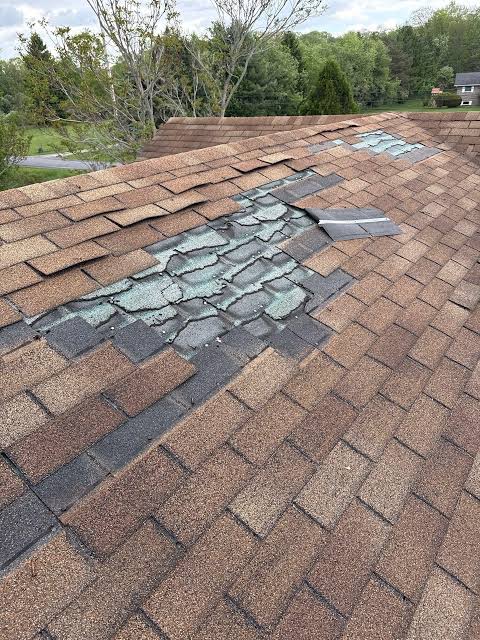
    How To Get Insurance To Pay For Roof Replacement Reddit

    Step-by-Step Guide to Filing a Successful Claim

    Getting your insurance to pay requires a methodical approach. Here is a breakdown of the process, optimized with tips frequently highlighted by successful claimants on discussion boards.

    1. Document Everything Immediately

    Do not wait for the insurance adjuster to arrive. The moment you suspect damage, start documenting.

    • Take Photos: Use a high-resolution camera. Take wide shots of the entire roof (if safe) and close-ups of specific damage points. Include photos of the surrounding area, such as fallen branches or debris, which can serve as context for the cause of damage.
    • Video Walkthrough: Record a video walking around your property, pointing out visible issues from the ground.
    • Interior Damage: Don’t forget to photograph any water stains on ceilings or walls inside your home. This links exterior roof damage to interior consequences, strengthening your claim.

    2. Review Your Policy Details

    Many homeowners skip this step, but it is critical. Look for the “Declarations Page” of your policy. Key terms to identify include:

    • Deductible: The amount you must pay out-of-pocket.
    • Coverage Limit: The maximum amount the insurer will pay.
    • Exclusions: Specific scenarios not covered (e.g., certain types of windstorms in hurricane-prone areas).

    Understanding these details prevents surprises later. If your deductible is $1,000 and the repair cost is estimated at $800, filing a claim might not be worth it due to potential premium increases.

    3. Hire a Reputable Roofing Contractor

    While you can file a claim yourself, having a professional opinion carries weight. Most reputable roofing companies offer free inspections.

    • Get a Detailed Report: Ask the roofer to provide a written report with photos, diagrams, and an estimate.
    • Look for Specific Language: The report should explicitly state that the damage was caused by a covered peril (like hail or wind), not age.
    • Avoid “Storm Chasers”: Be wary of contractors who door-knock immediately after a storm. Choose a local, established business with good reviews.

    4. File the Claim Promptly

    Once you have your documentation and contractor’s report, contact your insurance company. Provide them with:

    1. Date and time of the incident.
    2. Description of the weather event (e.g., “Hailstorm with golf-ball-sized hail”).
    3. Your photo evidence and the contractor’s preliminary report.

    Be honest and consistent in your description. Inconsistencies can raise red flags for fraud detection algorithms.

    Dealing with the Insurance Adjuster

    The insurance adjuster is the person who will inspect your roof and determine the payout. Their goal is to minimize the company’s loss, while your goal is to get full coverage. This dynamic often leads to tension.

    Tips for the Inspection Day

    • Be Present: Always be home during the inspection. Walk with the adjuster and point out the damage you documented.
    • Provide Your Evidence: Hand over your printed photos and the roofer’s report. Do not assume they will find everything on their own.
    • Stay Calm and Professional: Emotional outbursts rarely help. Stick to the facts.

    What If the Adjuster Denies the Claim?

    If the initial assessment results in a denial or a lowball offer, do not accept it immediately. Many Reddit users suggest requesting a re-inspection or hiring a public adjuster.

    A public adjuster works for you, not the insurance company. They charge a percentage of the settlement (usually 10-20%), but they often secure significantly higher payouts that cover their fee and then some. For large claims, this can be a worthwhile investment.

    Common Mistakes to Avoid

    Based on collective experiences shared in online forums, here are the pitfalls that lead to failed claims:

    MistakeConsequenceSolution
    Waiting too long to fileDamage worsens; policy deadlines missedFile within 24-48 hours of discovery
    Poor documentationLack of proof for causationTake timestamped, high-res photos immediately
    Admitting faultClaim denied based on negligenceStick to factual descriptions of weather events
    Using unlicensed contractorsInsurer rejects estimatesVerify license and insurance of your roofer

    External Resource for Further Reading

    For a deeper understanding of how property insurance works legally and structurally, you can refer to the general overview on Property Insurance – Wikipedia. This resource provides a broad context on risk management and indemnity principles that underpin your specific policy.

    FAQ Section

    1. Will my insurance premiums go up after a roof claim?

    In most cases, yes. Filing a claim signals to the insurer that you are a higher risk. However, if the damage was caused by a widespread natural disaster (like a hurricane affecting thousands of homes), insurers may be more lenient with rate hikes. Always weigh the cost of repair against the potential premium increase.

    2. Can I choose my own roofing contractor?

    Yes, you have the right to choose your own contractor. Insurance companies may recommend vendors from their network, but you are not obligated to use them. Ensure your chosen contractor is licensed, bonded, and insured.

    3. What if the insurance check is less than the repair cost?

    This is known as “depreciation.” Initially, insurers often pay the Actual Cash Value (ACV), which deducts for age and wear. Once repairs are complete and you submit receipts, they usually release the remaining Recoverable Depreciation to bring the total to the Replacement Cost Value (RCV). Make sure your policy includes RCV coverage.

    4. How long do I have to file a roof damage claim?

    Policy timelines vary, but most insurers require you to report damage “promptly” or within one year of the incident. Some states have specific statutes of limitations. Check your policy documents for the exact timeframe, but sooner is always better.

    5. Is it worth hiring a public adjuster?

    For small claims (under $5,000), it may not be cost-effective due to their fee structure. For large, complex claims involving total roof replacements or structural damage, a public adjuster can often negotiate a much higher settlement, making their fee worthwhile.

    6. What if my roof is old? Does insurance still cover it?

    Age alone does not void coverage, but it affects the payout. If your roof is near the end of its lifespan, the insurer may argue that the damage is due to wear and tear rather than a specific event. Strong evidence of sudden impact (like hail dents) is crucial in these cases.

    Conclusion

    Navigating the insurance claims process can feel like a battle, but being prepared changes the odds in your favor. By documenting damage thoroughly, understanding your policy, and communicating effectively with adjusters, you can significantly increase your chances of getting your roof replacement fully covered.

    Remember, the insights found when searching for how to get insurance to pay for roof replacement Reddit highlight one universal truth: knowledge is power. Don’t let the insurance company dictate the outcome without a fight. Gather your evidence, know your rights, and don’t hesitate to seek professional help if needed.

    If you found this guide helpful, please share it on social media to help other homeowners navigate their claims successfully. Have you had a recent experience with a roof claim? Share your story in the comments below!
  • How To Get Insurance To Pay For A New Roof

    How To Get Insurance To Pay For A New Roof

    Have you looked up after a storm and noticed missing shingles or a suspicious leak? Dealing with home repairs is stressful enough without the added headache of navigating complex insurance policies. If you are wondering how to get insurance to pay for a new roof, you are not alone; thousands of homeowners face this challenge every year, often feeling overwhelmed by the bureaucracy.

    The good news is that with the right preparation and knowledge, you can significantly increase your chances of a successful claim. This guide will walk you through the process, ensuring you understand your rights and the steps necessary to secure the funding you need for a safe, secure home.

    Understanding When Insurance Covers Roof Replacement

    Before filing a claim, it is crucial to understand why insurance companies approve or deny requests. Homeowners insurance is designed to cover “sudden and accidental” damage, not wear and tear.

    Covered Perils vs. Exclusions

    Most standard HO-3 policies (the most common type in the US) cover damage caused by specific events, known as perils. These typically include:

    • Windstorms: High winds that lift or tear off shingles.
    • Hail: Dents or cracks caused by hailstones.
    • Fire and Lightning: Structural damage from burns or strikes.
    • Falling Objects: Trees or branches falling onto the roof.
    • Weight of Ice/Snow: Collapse due to heavy accumulation.

    However, insurance will generally not cover damage resulting from:

    • Neglect: Failure to maintain the roof.
    • Age: Normal deterioration over time.
    • Poor Installation: Errors made during the original roofing job.

    According to the Insurance Information Institute, understanding your policy’s exclusions is the first step in managing expectations. If your roof is 20 years old and simply leaking due to age, a replacement is unlikely to be covered. However, if a storm accelerated that deterioration, you may have a case.

    How To Get Insurance To Pay For A New Roof

    Step 1: Document the Damage Thoroughly

    Evidence is everything in an insurance claim. Do not wait for the adjuster to arrive before gathering proof. The sooner you document the issue, the stronger your position will be.

    What to Photograph and Record

    1. Exterior Shots: Take clear, high-resolution photos of the damage from multiple angles. Use a drone if possible, or take photos from a safe vantage point. Capture close-ups of missing shingles, dents, or cracks.
    2. Interior Signs: Photograph water stains on ceilings, walls, or around windows. These prove that the exterior damage is affecting the livability of your home.
    3. Date and Time: Ensure your camera settings include timestamps. This proves the damage occurred recently, ideally correlating with a specific weather event.
    4. Temporary Repairs: If you had to put up a tarp to prevent further water intrusion, photograph this too. Keep receipts for any materials purchased for these emergency fixes.

    Pro Tip: Create a digital folder specifically for this claim. Back up all photos to cloud storage immediately to prevent data loss.

    Step 2: Review Your Policy Details

    Not all roofs are treated equally. Your payout depends heavily on the type of coverage you selected when purchasing your policy.

    ACV vs. RCV: Know the Difference

    FeatureActual Cash Value (ACV)Replacement Cost Value (RCV)
    DefinitionPays the current value of the roof minus depreciation.Pays the full cost to replace the roof with similar materials.
    DepreciationSignificant deduction based on age and condition.No depreciation deducted initially.
    Payout TimingSingle payment (lower amount).Two payments: Initial deposit + recoverable depreciation after work is done.
    Best ForOlder roofs where full replacement isn’t feasible.Newer roofs or those wanting full restoration.

    If you have an ACV policy, the insurance company will calculate the value of your roof based on its age. For example, if your roof has a 20-year lifespan and is 10 years old, they may only cover 50% of the replacement cost. With RCV, you get the full amount needed to replace it, provided you complete the repairs.

    Step 3: Hire a Reputable Roofing Contractor

    One of the most critical mistakes homeowners make is relying solely on the insurance adjuster’s assessment. Insurance adjusters work for the insurance company, not for you. Their goal is to minimize costs.

    Why You Need Your Own Estimate

    A licensed roofing contractor can provide an independent assessment of the damage. They can identify issues that an adjuster might miss, such as underlying deck damage or compromised flashing.

    • Get Multiple Quotes: Aim for at least three detailed estimates.
    • Check Credentials: Ensure the contractor is licensed, insured, and has good reviews in your local area.
    • Avoid “Storm Chasers”: Be wary of out-of-state contractors who appear immediately after a storm. They often lack local accountability and may perform subpar work.

    Your contractor can also meet with the insurance adjuster during the inspection. Having a professional present ensures that all damage is noted and discussed in real-time.

    Step 4: File the Claim and Meet the Adjuster

    Once you have your documentation and contractor estimates, it is time to file the claim. Call your insurance provider and provide them with the date of loss and a brief description of the damage.

    The Adjuster Inspection

    The insurance company will send an adjuster to inspect your property. Here is how to handle this meeting:

    1. Be Present: Always be home during the inspection. Walk the property with the adjuster.
    2. Point Out Damage: Show them the photos you took and point out specific areas of concern.
    3. Provide Your Contractor’s Report: Hand over the estimate from your roofer. This serves as a benchmark for the adjuster’s own estimate.
    4. Stay Calm and Factual: Avoid emotional arguments. Stick to the facts and the physical evidence.

    If the adjuster denies the claim or offers a lowball settlement, do not accept it immediately. You have the right to dispute the decision.

    Step 5: Negotiate the Settlement

    It is common for the initial offer to be lower than expected. This is where your preparation pays off.

    How to Counter a Low Offer

    • Request a Detailed Breakdown: Ask for the line-item estimate the adjuster used. Compare it with your contractor’s quote. Look for missing items, such as underlayment, flashing, or waste factors.
    • Submit Supplemental Claims: If you find discrepancies, submit a supplemental claim with photos and contractor notes explaining why additional funds are needed.
    • Invoke Appraisal Clause: If you cannot agree on the amount, most policies have an appraisal clause. This involves hiring an independent appraiser to resolve the dispute. Note that this can be costly, so use it as a last resort.

    Remember, negotiation is a standard part of the process. Insurance companies expect some pushback. Being polite but persistent is key to getting a fair settlement.

    FAQ Section

    1. Will my insurance premiums go up after a roof claim?

    Yes, in most cases, filing a claim can lead to higher premiums. However, this varies by state and insurer. Some states prohibit rate hikes for first-time weather-related claims. It is wise to ask your agent about potential rate impacts before filing.

    2. Can I choose my own roofing contractor?

    Absolutely. Your insurance company cannot force you to use their preferred vendor. You have the right to hire any licensed contractor you trust. Just ensure they are willing to work within the insurance guidelines for billing.

    3. What if my roof is old and the insurance says it’s just wear and tear?

    If the denial is based on age, it is difficult to overturn. However, if you can prove that a specific storm event caused new damage beyond normal wear, you may still get partial coverage. A professional roofing inspection report is essential here to distinguish between age-related issues and storm damage.

    4. How long do I have to file a roof insurance claim?

    Most policies require you to file “promptly,” but there is no universal federal deadline. State laws vary, but generally, you should file within one year of the damage. Delaying too long can give the insurer grounds to deny the claim due to lack of evidence.

    5. What is “recoverable depreciation”?

    If you have an RCV policy, the insurer initially pays the Actual Cash Value (depreciated amount). Once you complete the repairs and provide proof (invoices/receipts), they release the remaining balance, known as recoverable depreciation. This ensures the money is used for repairs.

    Conclusion

    Learning how to get insurance to pay for a new roof requires patience, documentation, and assertiveness. By understanding your policy, documenting damage thoroughly, and leveraging professional help from reputable contractors, you can navigate the claims process successfully.

    Remember, you are not just asking for a favor; you are claiming what you are entitled to under your contract. Stay organized, keep records of every communication, and do not hesitate to negotiate for a fair settlement.

    If you found this guide helpful, please share it on social media to help other homeowners navigate their insurance challenges. A well-informed community is better equipped to protect their homes and finances.

  • Get Insurance to Pay for Roof Replacement in Florida

    Get Insurance to Pay for Roof Replacement in Florida

    Living in the Sunshine State means enjoying beautiful weather, but it also means facing the harsh reality of hurricanes, hail, and intense UV exposure that can wreak havoc on your home’s most critical shield. If you are staring at leaks or missing shingles, you are likely wondering how to get insurance to pay for roof replacement Florida without getting denied or underpaid. This guide is designed to walk you through the complex claims process with clarity, empathy, and professional insight, ensuring you receive the coverage you deserve.

    Understanding Your Policy: The First Step to Approval

    Before you pick up the phone to call your insurer, you must understand what you are actually covered for. In Florida, insurance policies are not one-size-fits-all, and knowing the specifics can make or break your claim.

    Actual Cash Value vs. Replacement Cost Value

    The most critical distinction in your policy is between Actual Cash Value (ACV) and Replacement Cost Value (RCV).

    • Replacement Cost Value (RCV): The insurer pays the full cost to replace your roof with new materials of similar kind and quality, minus your deductible. This is the gold standard for homeowners.
    • Actual Cash Value (ACV): The insurer pays what your old roof was worth at the time of damage, accounting for depreciation. If your roof is 10 years old, they may only pay a fraction of the replacement cost, leaving you with a massive out-of-pocket bill.

    Pro Tip: Check your declarations page immediately. If you have an ACV policy, consider upgrading to RCV during your next renewal if financially feasible. For many Florida homeowners, this single clause determines whether a claim is affordable or catastrophic.

    The “Windstorm” Deductible

    In Florida, wind/hail damage often carries a separate, higher deductible than other perils like fire or theft. This is usually calculated as a percentage of your dwelling coverage (e.g., 2% to 5%) rather than a flat fee. For a home insured for $300,000, a 2% windstorm deductible means you pay the first $6,000 before insurance kicks in.

    Identifying Covered Perils: What Triggers a Payout?

    Insurance companies do not pay for roofs simply because they are old. They pay for sudden, accidental damage caused by specific “covered perils.”

    Common Covered Causes in Florida

    1. Hurricane and Tropical Storm Winds: High winds can lift shingles, tear off flashing, or cause structural failure.
    2. Hail: While less common than in the Midwest, hail does occur in Florida and can bruise or crack shingles.
    3. Falling Objects: Trees or branches falling onto your roof during a storm.
    4. Water Damage from Wind-Driven Rain: If wind creates an opening in your roof and rain enters, the resulting interior damage and roof repair are typically covered.

    What Is Typically Excluded?

    • Normal Wear and Tear: Gradual deterioration over time is considered maintenance, which is the homeowner’s responsibility.
    • Neglect: If you knew about a small leak and ignored it for months, leading to major rot, the claim will likely be denied.
    • Cosmetic Damage: Some policies exclude damage that affects appearance but not functionality.

    For a deeper understanding of property insurance standards, you can refer to general principles outlined on Wikipedia.

    How To Get Insurance To Pay For Roof Replacement Florida

    Step-by-Step Guide: How to File a Successful Claim

    Navigating the bureaucracy requires precision. Follow these steps to build a bulletproof case.

    Step 1: Document Everything Immediately

    Do not wait for an adjuster. As soon as it is safe to do so:

    • Take high-resolution photos of the damage from multiple angles (ground level and drone shots if available).
    • Photograph any interior water damage, stained ceilings, or damaged personal property.
    • Keep a log of dates and times regarding when the damage occurred and when you noticed it.

    Step 2: Mitigate Further Damage

    Florida law and most insurance policies require you to prevent further damage.

    • Place tarps over holes.
    • Move furniture away from leaks.
    • Save all receipts for these temporary repairs. These costs are often reimbursable.

    Step 3: Hire a Reputable Local Roofer

    Before meeting the insurance adjuster, hire a licensed Florida roofing contractor to inspect the damage.

    • Ask for a detailed written estimate.
    • Ensure they use current pricing for materials and labor, which fluctuates frequently in Florida due to supply chain issues.
    • Crucial: Do not let the roofer “negotiate” with the insurance company on your behalf unless they are a public adjuster. However, their estimate serves as your baseline for negotiation.

    Step 4: File the Claim Promptly

    Contact your insurance carrier to initiate the claim. Provide them with:

    • Your policy number.
    • Date and cause of loss.
    • A brief description of the damage.
    • Photos you took in Step 1.

    Step 5: Meet the Insurance Adjuster

    The adjuster works for the insurance company, not you. Be present during the inspection.

    • Walk the roof with them if possible.
    • Point out every piece of damage, including subtle signs like cracked seals around vents.
    • Provide the estimate from your independent roofer.

    Navigating Denials and Lowball Offers

    It is common for initial offers to be lower than expected. Here is how to handle it.

    Review the Adjuster’s Report Carefully

    Look for errors in:

    • Square Footage: Did they measure your roof correctly?
    • Material Quality: Did they price in basic 3-tab shingles when you have architectural shingles?
    • Scope of Work: Did they miss flashing, drip edges, or vent replacements?

    The Appeal Process

    If the offer is insufficient:

    1. Submit a Supplement: Provide additional photos and your contractor’s detailed line-item breakdown showing why the initial offer is inadequate.
    2. Request a Re-inspection: If there are factual errors in the report, demand a second look.
    3. Hire a Public Adjuster: For large or complex claims, a public adjuster works for you. They take a percentage of the settlement (usually 10–20%) but often secure significantly higher payouts.
    FeatureIndependent Contractor EstimateInsurance Adjuster Estimate
    Primary GoalFull restoration to pre-loss conditionMinimize payout within policy limits
    Pricing BasisCurrent local market ratesProprietary software (often outdated)
    Detail LevelHigh (includes waste factor, permits)Variable (may miss code upgrades)

    Frequently Asked Questions (FAQ)

    1. Will my insurance rates go up after a roof claim in Florida?

    Yes, it is highly likely. Florida has some of the highest homeowners insurance premiums in the US. Filing a claim, especially for wind damage, marks you as a higher risk. However, if the damage is severe, paying out-of-pocket for a $20,000 roof might be worse than a rate increase. Always calculate the long-term cost.

    2. Can I choose my own roofing contractor?

    Absolutely. Your insurance company cannot force you to use their “preferred” vendors. You have the right to hire any licensed and insured contractor in Florida. Be wary of insurers who push specific vendors aggressively; this may indicate a conflict of interest.

    3. What if my roof is older than 15 years?

    Many insurers in Florida have age restrictions. If your roof is over 15–20 years old, you might only be eligible for an ACV payout, or the insurer may require a full replacement rather than repairs. Some carriers may even refuse to renew your policy if the roof exceeds a certain age without replacement.

    4. How long do I have to file a roof claim in Florida?

    Under Florida Statute 627.70132, you generally have two years from the date of the loss to file a claim. However, waiting too long can complicate the proof of causation. It is best to file as soon as possible after the storm passes.

    5. What is “Code Upgrade” coverage?

    Building codes in Florida change frequently, especially after major hurricanes. Code Upgrade coverage (or Ordinance or Law coverage) pays for the extra cost required to bring your roof up to current building codes during replacement. Without this, you might have to pay thousands out-of-pocket for mandatory upgrades like stronger hurricane straps or improved underlayment.

    Conclusion

    Learning how to get insurance to pay for roof replacement Florida is less about luck and more about preparation, documentation, and persistence. By understanding your policy type (RCV vs. ACV), documenting damage thoroughly, and leveraging professional estimates, you can shift the balance of power back in your favor. Remember, the insurance adjuster’s first offer is rarely the final word.

    Don’t let bureaucratic hurdles leave your home vulnerable. Take control of your claim today, ensure your family’s safety, and protect your biggest investment. If you found this guide helpful, please share it with your neighbors and community groups on social media—because in Florida, we’re all in this together against the storms.