Have you ever felt like your home’s ceiling is closing in on you? Low ceilings can make even a spacious floor plan feel cramped and dark, impacting both your comfort and your property’s value. If you are considering a major structural change to gain headroom or add a second story, you are likely asking the critical question: how much does it cost to raise roof of house? This guide breaks down the financial realities, helping you plan with confidence.
Understanding the Scope: What Does “Raising a Roof” Mean?
Before diving into dollar signs, it is crucial to define what this project entails. “Raising a roof” generally refers to one of two distinct construction methods:
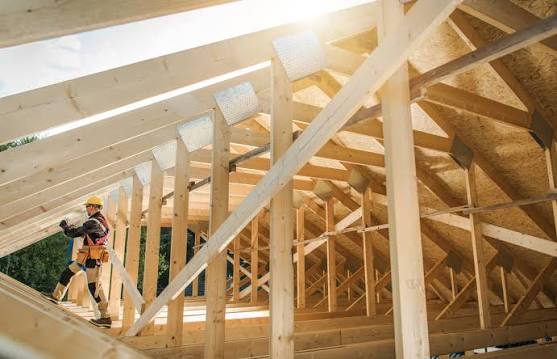
- Roof Lift: The existing roof structure is detached from the walls, lifted using hydraulic jacks, and new wall sections are built underneath to increase height.
- Roof Replacement/Reframing: The old roof is completely removed, and a new, steeper pitch or higher frame is constructed.
The method chosen significantly impacts the price. A simple lift might be cheaper than a full tear-off and rebuild, but it depends heavily on your home’s current structural integrity. According to general construction principles, altering the load-bearing structure of a home requires precise engineering to ensure safety and compliance with local building codes. For more context on structural engineering standards, you can refer to Wikipedia’s page on Structural Engineering.
Average Costs: Breaking Down the Numbers
So, how much does it cost to raise roof of house? While every project is unique, industry data provides a reliable baseline.
On average, homeowners can expect to pay between $15,000 and $125,000+ for a roof raising project. However, most standard single-story homes fall into the $30,000 to $60,000 range.
Cost Per Square Foot
A more accurate way to estimate is by square footage. You might pay anywhere from $15 to $30 per square foot for the structural work alone. This does not always include finishing costs like drywall, insulation, or interior painting.
| Project Component | Estimated Cost Range | Notes |
|---|---|---|
| Engineering & Permits | $2,000 – $5,000 | Essential for legal compliance and safety. |
| Labor (Carpentry) | $10,000 – $40,000 | Depends on complexity and local labor rates. |
| Materials (Lumber/Steel) | $5,000 – $20,000 | Prices fluctuate with market demand. |
| Roofing Materials | $5,000 – $15,000 | Shingles, metal, or tile options vary widely. |
| Interior Finishing | $5,000 – $25,000 | Drywall, paint, electrical, and HVAC extensions. |
Note: These figures are estimates based on national averages. Local markets like California or New York will be significantly higher than rural Midwest areas.
Key Factors Influencing the Final Price
Why is there such a massive gap between $15,000 and $125,000? Several variables drive the cost up or down. Understanding these will help you budget more accurately.
1. Size and Complexity of the Home
Naturally, a larger footprint means more materials and labor. However, complexity matters more than size. A simple rectangular ranch-style home is far cheaper to lift than a Victorian-era home with multiple gables, dormers, and intricate angles. Every corner and joint adds labor hours.
2. Structural Integrity and Foundation
Before lifting a roof, your foundation must be able to support the new loads. If your foundation is cracked or weak, it may need reinforcement before any roof work begins. This can add $5,000 to $15,000 to your total bill. Always hire a structural engineer to assess this first.
3. Local Labor and Material Costs
Construction costs are highly regional. In high-cost-of-living areas, labor rates can be double those in other regions. Additionally, the cost of lumber and steel fluctuates globally. Timing your project during periods of lower material demand can sometimes save you thousands.
4. Permitting and Zoning Laws
You cannot simply raise your roof because you want to. Most municipalities have strict zoning laws regarding maximum building heights. Obtaining permits involves fees and potentially hiring an architect to draw up plans that meet code. Ignoring this step can lead to hefty fines or forced demolition.
5. Interior and Exterior Finishes
Raising the roof is just the shell. Once the structure is up, you need to finish the new wall space. This includes:
- Extending electrical wiring and plumbing vents.
- Adding insulation to meet energy codes.
- Installing drywall, taping, mudding, and painting.
- Matching exterior siding or brickwork to the existing facade.
Step-by-Step Process: What to Expect
If you decide to proceed, here is a simplified overview of the workflow. Knowing the steps helps you understand where the money goes.
- Consultation and Engineering: Hire a structural engineer to determine if your home can be lifted. They will calculate load paths and design the new wall supports.
- Permitting: Submit plans to your local building department. This can take weeks or months.
- Preparation: Contractors will secure the site, disconnect utilities that run through the roof/walls, and prepare the foundation.
- The Lift: Using synchronized hydraulic jacks, the roof is slowly lifted. This is a delicate operation that requires precision to prevent cracking walls or damaging the roof deck.
- Wall Construction: New framing is built under the lifted roof to create the desired height.
- Reconnection: The roof is lowered onto the new walls and secured. Utilities are reconnected, and the exterior is sealed.
- Finishing: Interior and exterior finishes are applied to blend the new structure with the old.
Pros and Cons: Is It Worth It?
Before signing a contract, weigh the benefits against the drawbacks.
Pros:
- Increased Property Value: Higher ceilings and additional living space (if adding a second story) significantly boost resale value.
- Improved Livability: More natural light and a sense of openness can transform your daily life.
- Avoid Moving Costs: Renovating is often cheaper than buying a new home, especially when factoring in real estate agent fees and moving expenses.
Cons:
- High Upfront Cost: It is a major capital investment.
- Disruption: You may need to move out temporarily due to dust, noise, and safety concerns.
- Risk of Delays: Weather, permit issues, or supply chain problems can extend the timeline.
Frequently Asked Questions (FAQ)
1. Can I raise my roof without moving out?
In most cases, no. The process involves removing parts of the exterior walls and exposing the interior to the elements. It is noisy, dusty, and potentially unsafe. Most contractors recommend vacating the home for the duration of the structural work, which can last 2–6 weeks.
2. Does raising the roof require a new foundation?
Not always, but it often requires foundation reinforcement. The added height and potential second story increase the load on the foundation. A structural engineer must verify that your current footing can handle the extra weight. If not, underpinning or widening the foundation may be necessary.
3. How long does it take to raise a roof?
The physical lifting process usually takes only a few days. However, the entire project—from permitting to final finishes—typically takes 3 to 6 months. Permitting alone can take 4–8 weeks depending on your city’s efficiency.
4. Will my homeowner’s insurance cover roof raising?
Standard homeowner’s insurance typically does not cover voluntary renovations. It covers damage from unexpected events (like storms). However, once the project is complete, you should update your policy to reflect the increased replacement cost of your home.
5. Is it better to raise the roof or build an addition?
This depends on your lot size and budget. Building an outward addition is often simpler and less risky structurally but requires yard space. Raising the roof (or adding a second story) preserves yard space but is more complex and expensive per square foot. Compare quotes for both options before deciding.
Conclusion
Deciding how much does it cost to raise roof of house is not just about finding the lowest bidder; it is about investing in the long-term value and comfort of your home. While the price tag can seem steep—ranging from $30,000 to over $100,000—the return on investment in terms of livability and property value can be substantial.
Remember to prioritize hiring licensed professionals, securing proper permits, and getting multiple detailed quotes. Do not cut corners on engineering; your family’s safety depends on it.
If you found this guide helpful, please share it with friends or family who are considering similar home improvements. Knowledge is power when tackling big renovation projects!