Discovering water dripping from your ceiling is every homeowner’s nightmare. It triggers immediate stress about structural damage, mold growth, and the inevitable financial hit. If you are currently staring at a stain on your drywall and asking, “How Much Does It Cost To Repair A Roof Leak,” you are not alone. This guide breaks down the real costs, helping you budget accurately and avoid overpaying for repairs.
Understanding the Average Cost of Roof Leak Repairs
When dealing with a leak, the price tag can vary wildly depending on the severity and location of the issue. In 2026, the national average for minor roof leak repairs ranges between $350 and $1,500. However, this is just a baseline.
For simple fixes, such as replacing a few missing shingles or resealing a vent pipe, you might pay as little as $150 to $400. On the other hand, if the leak has caused significant structural damage or requires accessing a steep, complex roof, costs can easily climb to $2,000 or more.
It is crucial to understand that most roofing contractors charge by the hour or by the “patch” size. The longer you wait to address the leak, the higher the final bill will be due to secondary damage like rotted decking or ruined insulation.
Key Factors Influencing Repair Prices
Several variables dictate the final invoice. Being aware of these helps you negotiate better and understand quotes.
- Roof Pitch and Accessibility: Steep roofs require special safety equipment and more labor time, increasing costs by 20–40%.
- Material Type: Asphalt shingles are cheap to fix. Slate, tile, or metal roofs require specialized skills and expensive materials.
- Location of the Leak: Leaks near chimneys, skylights, or valleys are harder to seal than those on flat sections.
- Extent of Water Damage: If the water has penetrated the sheathing or insulation, repair costs double because carpentry work is needed alongside roofing.
Breakdown by Roofing Material
Not all roofs are created equal. The material your home is built with plays a massive role in repair economics. Here is a comparative look at common materials.
| Roofing Material | Average Repair Cost (Minor Leak) | Difficulty Level | Lifespan Impact |
|---|---|---|---|
| Asphalt Shingles | $150 – $450 | Low | Minimal if caught early |
| Metal Roofing | $300 – $800 | Medium | Requires specific sealants |
| Clay/Concrete Tile | $400 – $900 | High | Risk of breaking adjacent tiles |
| Slate | $500 – $1,200 | Very High | Requires specialist masons |
| Wood Shake | $350 – $750 | Medium | Prone to rot if delayed |
Note: These prices include labor and materials but exclude major structural repairs.
If you have an asphalt shingle roof, which is common in the US, repairs are generally straightforward. However, for slate roofing, the fragility of the material means that one wrong step can crack surrounding tiles, turning a small leak into a large replacement job. Always ensure your contractor has experience with your specific material type.
Labor vs. Materials: Where Does the Money Go?
A common misconception is that the bulk of the cost goes toward materials. In reality, labor accounts for 60–70% of the total repair cost.
Why Labor Is Expensive
Roofing is dangerous, skilled work. Contractors must carry liability insurance, workers’ compensation, and specialized tools. Additionally, in 2026, labor shortages in the construction industry have driven hourly rates up. Expect to pay between $75 and $150 per hour for a licensed roofer.
Material Costs
Materials are relatively inexpensive for minor leaks. A tube of high-quality roofing cement costs around $10–$20. A bundle of shingles might cost $30–$50. Therefore, when you see a quote for $400, remember you are paying primarily for the expertise and risk mitigation, not just the physical items used.
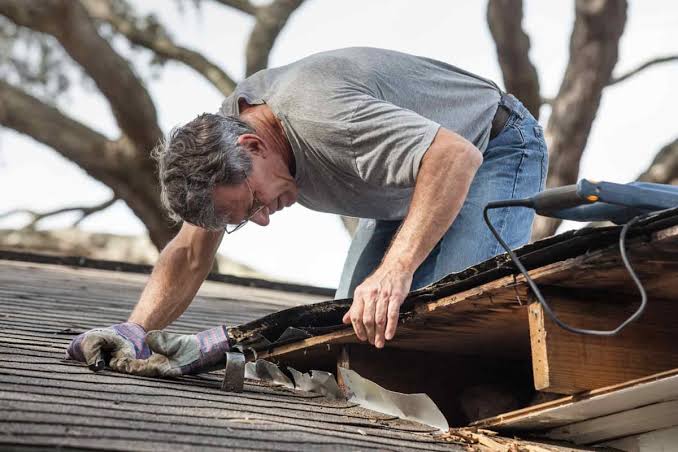
DIY vs. Hiring a Professional: Is It Worth It?
Many homeowners consider fixing a leak themselves to save money. While this is tempting, it comes with significant risks.
When to Consider DIY
- The leak is clearly visible from the ground (e.g., a missing shingle).
- You have a single-story home with a low-pitch roof.
- You have proper safety gear (harness, non-slip shoes).
- The repair involves simple caulking around a vent pipe.
When to Call a Pro
- The source of the leak is not obvious.
- The roof is steep (greater than 6:12 pitch).
- The leak is near electrical wiring or chimneys.
- You are uncomfortable with heights.
Warning: A botched DIY repair can void your homeowner’s insurance policy or manufacturer warranty. If water continues to enter after your attempt, the resulting mold remediation could cost thousands more than the original repair.
Step-by-Step: How Professionals Fix a Common Shingle Leak
Understanding the process helps you verify if a contractor is doing a thorough job. Here is how a typical asphalt shingle leak repair is handled:
- Inspection and Diagnosis: The roofer uses moisture meters or thermal imaging to pinpoint the exact entry point. Water often travels along rafters before dripping, so the entry point is rarely directly above the stain.
- Safety Setup: Ladders are secured, and harnesses are worn. Debris is cleared from the work area.
- Removal of Damaged Materials: The contractor carefully lifts the surrounding shingles using a pry bar. Any rotted underlayment or decking is cut out and replaced with new plywood.
- Application of Flashing or Sealant: New ice-and-water shield is installed. If the leak is at a joint, new metal flashing is fitted and sealed with roofing cement.
- Shingle Replacement: New shingles matching the existing color and style are nailed in place. Care is taken to align them perfectly to prevent wind uplift.
- Water Test: The roofer may use a hose to simulate rain and ensure the leak is fully stopped before cleaning up.
Hidden Costs to Watch Out For
When budgeting, do not forget these potential extra expenses:
- Emergency Service Fees: If you need a repair on a weekend or holiday, expect a surcharge of $100–$300.
- Permit Fees: Some municipalities require permits for structural repairs, costing $50–$200.
- Debris Removal: Hauling away old shingles and wood may incur a disposal fee.
- Interior Restoration: The roofer fixes the roof, not your ceiling. You will need a separate contractor to patch drywall and repaint, which can add $200–$600 to your total project cost.
FAQ Section
How much does it cost to fix a small roof leak?
For a minor leak involving a few shingles or a small sealant job, the cost typically ranges from $150 to $400. This assumes easy access and no structural damage.
Does homeowners insurance cover roof leak repairs?
It depends on the cause. If the leak is due to a sudden event like a storm or fallen tree, insurance usually covers it. However, if the leak is due to wear and tear or lack of maintenance, most policies will deny the claim. Always check your specific policy details.
How long does a roof leak repair take?
Most minor leak repairs can be completed in 2 to 4 hours. Complex repairs involving flashing replacement or deck repair may take a full day. Interior drying and restoration will take additional time.
Can I patch a roof leak from the inside?
No. Patching from the inside traps water within the roof structure, leading to rot and mold. Effective repairs must always be done from the exterior to stop water at the source. Interior patches are only temporary emergency measures.
What is the most expensive part of fixing a roof leak?
The most expensive component is usually labor, followed by any necessary structural wood replacement. If the leak has been present for months, the cost of replacing rotted rafters or sheathing can exceed the cost of the roofing materials themselves.
Conclusion
Knowing how much does it cost to repair a roof leak empowers you to make smart financial decisions for your home. While minor fixes can be affordable, ignoring the problem leads to exponential costs. By understanding the factors involved—material, labor, and accessibility—you can vet contractors effectively and avoid surprise bills.
Remember, a quick response saves money. If you suspect a leak, get a professional inspection immediately.
Found this guide helpful? Share it with your neighbors on social media to help them protect their homes too! A well-maintained community is a safer community.