Have you ever looked out your window after a fresh snowfall and noticed that while your neighbors’ roofs are bare, yours is still covered in a thick blanket of white? It might look picturesque, but many homeowners worry about the implications. Understanding what does it mean if snow stays on your roof is crucial for maintaining your home’s structural integrity and energy efficiency.
In this guide, we will decode the signs your roof is giving you, explain the science behind heat loss, and provide actionable steps to protect your home from winter damage.
The Science Behind Snow Melting Patterns
To understand why snow behaves differently on various roofs, we must first look at basic thermodynamics. Your home generates heat. In a well-insulated house, that heat stays inside. In a poorly insulated one, it escapes upward through the attic and roof deck.
When heat escapes, it warms the surface of your shingles. If the roof surface temperature rises above freezing (32°F or 0°C), the bottom layer of snow begins to melt. This water then runs down the roof until it hits the colder eaves (the overhanging edge), where it refreezes. This cycle creates ice dams and leaves patches of bare roof.
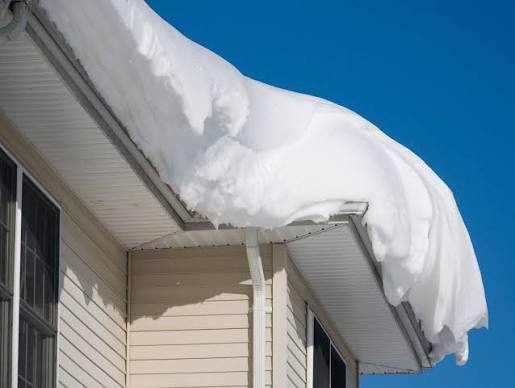
Conversely, if your roof remains uniformly covered in snow, it generally indicates that very little heat is escaping from your living space into the attic. While this sounds positive for your energy bill, it requires careful monitoring to ensure it doesn’t lead to other issues like excessive weight load.
Is a Snow-Covered Roof Good or Bad?
The answer is not black and white. A roof covered in snow can be both a blessing and a curse, depending on the context.
The Good News: Efficient Insulation
If your entire roof is covered in snow while others are melting, it is often a sign that your attic insulation is working effectively. You are not wasting money heating the outdoors. According to the U.S. Department of Energy, proper attic insulation can reduce heating costs by up to 20%.
The Bad News: Structural Risk and Moisture
However, “good” insulation isn’t the only factor. If snow stays because your roof is cold due to lack of sunlight exposure (north-facing slopes), that is normal. But if snow accumulates excessively, it poses two major risks:
- Weight Load: Fresh snow weighs about 7 pounds per cubic foot, but wet, packed snow can weigh up to 20 pounds per cubic foot. A deep accumulation can stress rafters and trusses.
- Moisture Trapping: If the snow melts slightly during the day and refreezes at night without proper ventilation, moisture can get trapped under shingles, leading to rot or mold in the sheathing.
Key Reasons Why Snow Stays on Your Roof
When analyzing what does it mean if snow stays on your roof, consider these primary factors:
1. Superior Attic Insulation
As mentioned, this is the most common reason. If your attic floor is well-sealed and insulated with high R-value materials (such as fiberglass batts or spray foam), heat transfer is minimized. Your roof deck remains close to the outside air temperature, keeping the snow frozen.
2. Poor Ventilation
Even with good insulation, your attic needs to breathe. Proper ventilation allows cold air to enter through the soffits and exit through the ridge vents. If ventilation is blocked, heat can build up unevenly, causing partial melting. However, if ventilation is too poor and the attic is completely sealed and cold, snow may stay put simply because there is no heat source to melt it.
3. Roof Material and Color
Dark-colored shingles absorb more solar radiation than light-colored ones. If you have light gray or white roofing, it will reflect sunlight and stay cooler, keeping snow longer. Metal roofs also shed snow faster due to their smooth surface and thermal conductivity, whereas asphalt shingles hold snow longer due to texture and lower conductivity.
4. Weather Conditions
Sometimes, it’s just the weather. If temperatures remain consistently below freezing and there is no direct sunlight, snow will naturally stay on any roof, regardless of insulation quality.
Comparison: Melting Roof vs. Snow-Covered Roof
| Feature | Roof with Melting Snow | Roof with Stationary Snow |
|---|---|---|
| Heat Loss | High | Low |
| Energy Bill | Higher | Lower |
| Ice Dam Risk | High | Low to Moderate |
| Structural Load | Lower (snow sheds) | Higher (accumulation) |
| Insulation Status | Likely insufficient | Likely effective |
When Should You Be Worried?
While a snow-covered roof often indicates efficiency, there are red flags you should never ignore.
Watch for Ice Dams
Even if the main part of your roof is covered, check your gutters and eaves. If you see thick ridges of ice forming along the edge, this is an ice dam. This happens when heat escapes near the peak, melts snow, and the water refreezes at the cold eave. Ice dams can force water back up under shingles, causing leaks inside your walls.
For more detailed information on how ice forms and affects structures, you can refer to the general principles of phase changes in water on Wikipedia.
Check for Sagging
Walk around your house and look at the roofline. If you notice any dipping or sagging between the rafters, the weight of the snow may be exceeding the design load of your roof. This is a structural emergency.
Listen for Creaking
Unusual creaking or popping sounds from the attic during heavy snowfall can indicate that the framing is under significant stress.
How to Manage Snow on Your Roof
If you determine that your snow coverage is due to good insulation but you are worried about weight, follow these steps:
- Monitor Accumulation Depth: Use a ruler to measure snow depth. If it exceeds 12 inches of wet snow or 24 inches of dry powder, consider removal.
- Use a Roof Rake: From the ground, use a long-handled roof rake to gently pull snow off the eaves. Never climb onto a snowy roof; it is slippery and dangerous.
- Clear Gutters: Ensure gutters are free of leaves before winter starts. This allows any minor meltwater to drain properly, reducing ice dam formation.
- Improve Ventilation: If you notice uneven melting patterns, install soffit vents or ridge vents to balance the attic temperature.
FAQ Section
Q: Does snow on the roof mean my insulation is too thick?
A: No, there is rarely such a thing as “too much” insulation in terms of heat retention. However, excessive insulation without proper ventilation can trap moisture. The goal is balanced insulation and airflow.
Q: Can I use salt to melt snow on my roof?
A: It is not recommended. Rock salt (sodium chloride) can corrode metal gutters, flashings, and fasteners. It can also damage asphalt shingles by stripping away protective granules. Use calcium chloride ice melt products specifically designed for roofs if necessary.
Q: Why is my neighbor’s roof bare while mine is covered?
A: Your neighbor likely has significant heat loss through their attic, causing the snow to melt. Alternatively, their roof may face south and receive more direct sunlight, or they may have a metal roof which sheds snow more easily.
Q: How much weight can a residential roof hold?
A: Most modern residential roofs are designed to hold a live load of 20 pounds per square foot. However, older homes or those in low-snow regions may have lower ratings. Always consult a structural engineer if you are concerned about heavy accumulation.
Q: Should I remove snow from my roof myself?
A: Only from the ground using a roof rake. Climbing a ladder or walking on a snow-covered roof is extremely hazardous. If the snow is too heavy or high, hire a professional roof snow removal service.
Conclusion
So, what does it mean if snow stays on your roof? In most cases, it is a testament to your home’s energy efficiency and effective insulation. It means you are keeping your warm air where it belongs—inside your home. However, it is essential to remain vigilant about the weight load and potential moisture issues.
By understanding the balance between insulation, ventilation, and weather conditions, you can enjoy lower energy bills without compromising your home’s safety. Regularly inspect your eaves for ice dams and monitor snow depth during heavy storms.
If you found this guide helpful, please share it with your friends and neighbors on social media. Helping others understand their home’s performance can save them from costly repairs and high energy bills this winter!