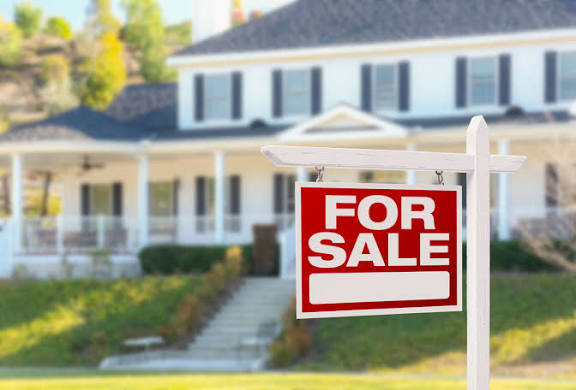
Buying a home is one of the most significant financial decisions you will ever make, and few components cause more anxiety than the condition of the roof. It is the primary shield protecting your investment from the elements, yet its lifespan is often unclear to first-time buyers. If you are wondering how old should a roof be when buying a house, you are asking the right question to avoid unexpected repair bills.
A roof that is too old can lead to immediate leaks and insurance issues, while a brand-new roof might mean you paid a premium price for it. Understanding the sweet spot for roof age helps you negotiate better and plan for the future. In this guide, we will break down everything you need to know about roof ages, materials, and what to look for during your home search.
What Is the Ideal Roof Age for Home Buyers?
When evaluating a property, there is no single “perfect” number, but there is a generally accepted safe zone. Most real estate experts and home inspectors agree that a roof between 5 and 10 years old is ideal.
Why this range?
- Proven Durability: The roof has survived several seasons, proving it was installed correctly.
- Remaining Lifespan: It likely has 15–20+ years of life left, depending on the material.
- Warranty Coverage: Many manufacturer warranties are still active, offering peace of mind.
However, context matters. A 15-year-old roof made of high-quality slate or metal may be in better condition than a 7-year-old asphalt shingle roof in a harsh climate. Therefore, age alone is not the only metric; condition is king.
The Danger Zone: Roofs Over 20 Years Old
If you are looking at a home with an asphalt shingle roof that is over 20 years old, proceed with caution. Even if it looks fine from the street, it is likely near the end of its functional life.
- Insurance Issues: Many insurance companies in the US will refuse to cover homes with roofs older than 20–25 years unless they pass a rigorous 4-point inspection.
- Hidden Damage: Older roofs are prone to brittle shingles, failing underlayment, and rotting decking that isn’t visible from the ground.
- Negotiation Leverage: This is your biggest opportunity. You can ask for a roof replacement credit or demand the seller replace it before closing.
How Does Roof Material Affect Lifespan?
To answer “how old should a roof be,” you must first identify what it is made of. Different materials have vastly different lifespans. Here is a breakdown of common roofing materials found in the US housing market.
| Material | Average Lifespan | Best For | Maintenance Level |
|---|---|---|---|
| Asphalt Shingles | 15–30 years | Most suburban homes | Low to Moderate |
| Metal Roofing | 40–70 years | Modern & rural homes | Low |
| Clay/Concrete Tile | 50–100 years | Southwest/Southern styles | Low (but heavy) |
| Wood Shakes | 20–40 years | Rustic/Cottage styles | High |
| Slate | 75–100+ years | Historic/Luxury homes | Low |
Source: Data aggregated from industry standards and the National Association of Home Builders.
Asphalt Shingles: The Most Common Scenario
Since over 80% of homes in the US use asphalt shingles, this is likely what you will encounter.
- 3-Tab Shingles: These are the budget option. They typically last 15–20 years. If a house has these and they are 12 years old, start budgeting for a replacement soon.
- Architectural Shingles: These are thicker and more durable, lasting 25–30 years. A 15-year-old architectural roof is often still in good shape.
Metal and Tile: The Long-Term Investments
If you find a home with a metal or tile roof, the age is less critical. A 20-year-old metal roof may have another 30 years of life left. However, ensure that the flashings (the metal pieces around chimneys and vents) are intact, as these often fail before the roof panels do.
Key Signs of Roof Aging to Look For
You don’t need to be a contractor to spot a tired roof. During your walkthrough, keep an eye out for these red flags. If you see them, the roof’s age is less important than its immediate need for repair.
- Curling or Cupping Shingles: If the edges of the shingles are turning upward or downward, they are brittle and losing their waterproofing ability.
- Missing Granules: Check the gutters. If they are filled with sand-like granules, the shingles are wearing out. Bald spots on the roof are a bad sign.
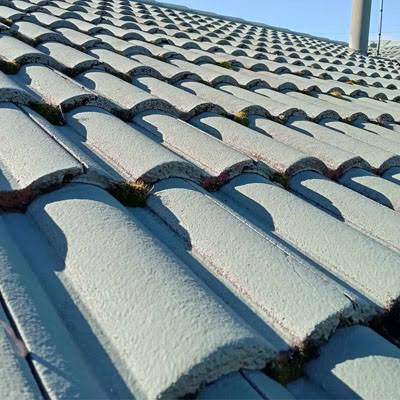
- Moss and Algae: While moss can be cleaned, heavy growth indicates moisture retention, which can rot the underlying wood structure.
- Sagging Roof Deck: This is a critical structural issue. If the roofline looks wavy or sags, walk away or demand a structural engineer’s inspection immediately.
- Daylight Through the Attic: Go into the attic on a sunny day. If you see pins of light coming through the roof boards, there are gaps that need sealing.
Step-by-Step: How to Verify Roof Age During Buying Process
Do not rely solely on the seller’s disclosure. Sellers may not know the exact age, or they may unintentionally misremember. Follow these steps to get the truth.
Step 1: Ask for Documentation
Request any receipts, warranties, or permits related to the roof installation. A permit date from the local county records is the most accurate way to determine age.
Step 2: Hire a Specialized Roof Inspector
A general home inspector is great, but they often walk the perimeter rather than climbing on the roof. For a home with a roof older than 10 years, hire a licensed roofing contractor for a separate inspection. They can walk the surface and check for soft spots.
Step 3: Check the Ventilation
Poor attic ventilation cooks shingles from the inside out, reducing their lifespan by half. Ensure the attic has proper soffit and ridge vents. If the attic is hot and stuffy in summer, the roof may have aged prematurely.
Step 4: Review Insurance Claims
Ask the seller for a CLUE report (Comprehensive Loss Underwriting Exchange). This shows if there have been previous insurance claims for wind or hail damage, which might indicate hidden weaknesses even if the roof was repaired.
Negotiating Based on Roof Age
Knowing how old the roof is gives you power at the negotiating table. Here is how to handle different scenarios:
- Roof is 0–5 Years Old: Use this as a selling point. You can justify offering closer to the asking price because you won’t have major capital expenditures soon.
- Roof is 10–15 Years Old: Request a home warranty that covers roof leaks for the first year. This protects you while you save for eventual replacement.
- Roof is 20+ Years Old: Do not accept “it hasn’t leaked yet” as an answer. Request a roof replacement allowance. Get three quotes from local contractors and ask the seller to credit that amount at closing. This allows you to choose your own materials and contractor.
FAQ Section
1. Can I get homeowners insurance with an old roof?
It depends on the age and condition. Most insurers require roofs to be less than 20 years old. If the roof is older, you may need a specialized policy or pay a higher premium. Some companies require a 4-point inspection to prove the roof has no active leaks.
2. Does a new roof increase home value?
Yes, but not dollar-for-dollar. According to Remodeling Magazine’s Cost vs. Value Report, a new roof typically recoups about 60–70% of its cost in home value. However, its real value lies in marketability. Homes with old roofs sit on the market longer and scare away buyers who fear immediate repairs.
3. Should I replace the roof before selling my house?
Generally, no. It is better to price the home accordingly and let the buyer choose their own materials. However, if the roof is actively leaking or failing inspection, you may need to replace it to secure financing for the buyer, as most lenders require a sound roof.
4. How can I tell the age of a roof without records?
Look for manufacturer stamps on the back of shingles (visible in the attic), check for building permits in county records, or look at the style of the shingles. Certain colors and textures were popular in specific decades. A professional roofer can also estimate age based on wear patterns.
5. Is a 10-year-old roof considered old?
No, a 10-year-old roof is considered middle-aged. For asphalt shingles, it is roughly halfway through its life. It should still have plenty of life left, provided it was installed correctly and has adequate ventilation.
6. What is the best time of year to buy a house with a new roof?
There is no specific season, but buying in late fall or winter might allow you to inspect the roof after heavy rains or snow. If the roof survives a harsh winter without leaking, it is a good sign of quality installation.
Conclusion
So, how old should a roof be when buying a house? Ideally, you want a roof that is under 10 years old to maximize your return on investment and minimize immediate maintenance. However, a well-maintained 15-year-old roof can still be a solid choice if priced correctly.
Never skip the professional inspection. The cost of a roof specialist ($150–$300) is tiny compared to the $10,000+ cost of an unexpected replacement. Use the age of the roof as a lever in your negotiations, ensuring you get a fair deal whether the roof is brand new or nearing retirement.
Found this guide helpful? Share it with your friends who are house hunting on Facebook or Twitter to help them make smarter buying decisions!