Have you ever taken a sip of hot coffee or a bite of spicy food and felt a distinct sensation on the roof of your mouth, leading you to wonder about its role in flavor? It is a common curiosity, especially when we experience burns or tingling in that area. Many people ask, “Is there taste buds on the roof of your mouth,” assuming that every sensitive part of the oral cavity contributes to our sense of taste.
The short answer is nuanced. While the roof of your mouth (the palate) is highly sensitive to texture and temperature, it does not contain the high concentration of taste buds found on your tongue. However, understanding the specific anatomy of your mouth can completely change how you experience food and drink. In this guide, we will explore the science behind your palate, debunk common myths, and help you understand exactly how your body perceives flavor.
The Anatomy of Taste: Where Are Taste Buds Actually Located?
To answer the question accurately, we first need to look at the biological map of the human mouth. Taste buds are specialized sensory organs primarily located on the tongue, but they are not exclusive to it.
The Tongue: The Primary Hub
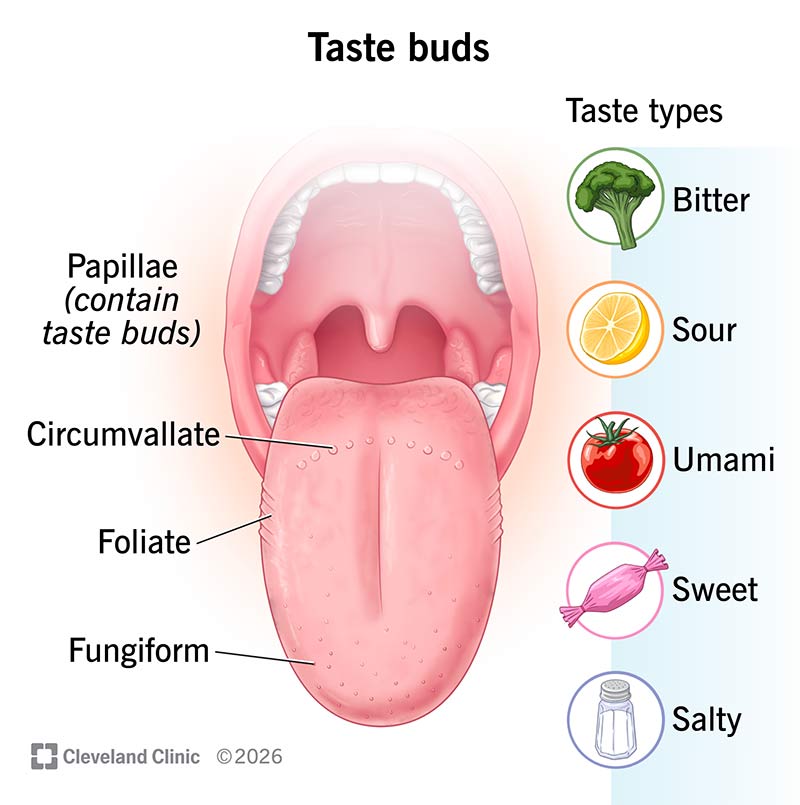
Approximately 2,000 to 8,000 taste buds are scattered across the tongue. These are grouped into papillae, which are the tiny bumps you can see if you look in a mirror. The three main types involved in taste are:
- Fungiform papillae: Found on the tip and sides of the tongue.
- Circumvallate papillae: Located at the back of the tongue in a V-shape.
- Foliate papillae: Found on the sides of the back of the tongue.
The Palate: Hard vs. Soft
The roof of your mouth is divided into two sections:
- The Hard Palate: The bony front section.
- The Soft Palate: The muscular, flexible back section near the throat.
While the tongue is the star of the show, research indicates that taste buds can be found in other areas, including the inner cheeks, the epiglottis, and yes, potentially in small numbers on the soft palate. However, the hard palate generally lacks true taste buds. Instead, it is rich in nerve endings that detect touch, pressure, and temperature.
Expert Insight: According to general anatomical consensus documented by sources like Wikipedia’s entry on Taste, while extra-lingual taste buds exist, their density and contribution to overall flavor perception are significantly lower than those on the tongue.
Is There Taste Buds on the Roof of Your Mouth? The Scientific Verdict
So, let’s address the core query directly: Is there taste buds on the roof of your mouth?
The answer is mostly no, with a slight exception.
- On the Hard Palate: No. You will not find functional taste buds here. If you place sugar on the roof of your mouth, you won’t taste sweetness until it dissolves and flows back toward your tongue or throat.
- On the Soft Palate: Possibly. Some studies suggest that a very small number of taste receptors may exist on the soft palate and the tonsillar pillars. However, these are sparse and play a minor role compared to the tongue.
Why Do We Feel Flavor on the Roof of Our Mouth?
If there are no taste buds there, why does mint feel cold or chili feel hot on the roof of your mouth? This is due to chemesthesis, not gustation (taste).
Chemesthesis is the chemical sensitivity of the skin and mucous membranes. It is mediated by the trigeminal nerve, not the taste nerves. This is why you feel:
- The “burn” of capsaicin (chili peppers).
- The “cooling” of menthol.
- The “tingle” of carbonation.
These sensations are often mistaken for taste, but they are actually pain and temperature signals. This distinction is crucial for understanding why the roof of your mouth feels involved in eating even if it isn’t “tasting” in the traditional sense.
Taste vs. Flavor: Understanding the Difference
Many people confuse taste with flavor, but they are two different biological processes. Understanding this difference explains why the roof of your mouth feels so involved in the eating experience.
| Feature | Taste (Gustation) | Flavor (Perception) |
|---|---|---|
| Primary Organ | Tongue (Taste Buds) | Tongue + Nose + Brain |
| Sensations | Sweet, Sour, Salty, Bitter, Umami | Complex combinations (e.g., “Strawberry”) |
| Nerve Involvement | Facial & Glossopharyngeal Nerves | Trigeminal Nerve + Olfactory Nerve |
| Roof of Mouth Role | Minimal to None | High (Texture & Temperature) |
Flavor is a multisensory experience. It combines:
- Taste: The basic five sensations detected by the tongue.
- Smell (Olfaction): Up to 80% of what we perceive as flavor actually comes from our sense of smell. Retronasal olfaction occurs when aromas travel from the back of the mouth up to the nose.
- Mouthfeel: The physical sensation of food, detected by the palate, teeth, and tongue. This includes creaminess, crunchiness, and heat.
Because the roof of your mouth is critical for mouthfeel, it plays a vital role in flavor, even if it doesn’t contribute much to taste.
How to Protect and Enhance Your Palate Sensitivity
Even though the roof of your mouth doesn’t have many taste buds, keeping it healthy is essential for a good eating experience. Damage to the palate can alter how you perceive texture and temperature, indirectly affecting your enjoyment of food.
Step-by-Step Care Guide
- Avoid Extreme Temperatures
- Do not consume liquids hotter than 60°C (140°F). Burns on the hard palate can take weeks to heal and may temporarily reduce sensitivity.
- Let coffee or tea cool for at least 2–3 minutes before sipping.
- Maintain Oral Hygiene
- Brush your tongue gently to remove bacteria that can spread to the palate.
- Use an alcohol-free mouthwash to prevent drying out the mucous membranes on the roof of your mouth.
- Stay Hydrated
- Dry mouth (xerostomia) reduces the ability of taste molecules to dissolve and reach receptors.
- Aim for 2 liters of water daily to keep oral tissues moist and functional.
- Quit Smoking
- Smoking damages both taste buds and the sensitive tissues of the palate. Quitting can restore sensitivity within weeks.
Common Myths About Taste Buds
Let’s clear up some misconceptions that often circulate online.
- Myth 1: The Tongue Map is Accurate.
- Reality: The idea that specific parts of the tongue only taste sweet or bitter is outdated. All areas of the tongue with taste buds can detect all five basic tastes, though some areas may be slightly more sensitive to certain tastes.
- Myth 2: You Can Train Your Palate to Taste More.
- Reality: You cannot grow new taste buds on your hard palate. However, you can train your brain to identify subtle flavors through mindful eating and exposure to diverse foods.
- Myth 3: Spicy Food Kills Taste Buds.
- Reality: Spicy food irritates nerve endings but does not destroy taste buds. Temporary desensitization may occur, but cells regenerate every 10–14 days.
FAQ Section
1. Can you get a burn on the roof of your mouth that affects taste?
Yes, but indirectly. A burn on the hard palate causes pain and swelling, which can distract your brain from processing taste signals. Additionally, if the burn is severe enough to cause inflammation near the soft palate, it might temporarily affect the few taste receptors located there. However, the primary impact is on texture and temperature perception.
2. Why does the roof of my mouth itch when I eat certain fruits?
This is likely Oral Allergy Syndrome (OAS), also known as pollen-food allergy syndrome. It is an allergic reaction to proteins in certain raw fruits, vegetables, or nuts that are similar to pollen. The itching occurs on the roof of the mouth, lips, and tongue because these areas are rich in immune cells that react to the allergen. It is not related to taste buds.
3. Do children have taste buds on the roof of their mouths?
Children have a higher density of taste buds on their tongues than adults, which is why they are often more sensitive to bitter flavors. However, like adults, they do not have significant numbers of taste buds on the hard palate. Their heightened sensitivity is mostly lingual (tongue-based).
4. Can surgery on the roof of the mouth affect taste?
Surgeries involving the soft palate (such as uvulopalatopharyngoplasty for sleep apnea) carry a small risk of altering taste if nerves are affected. However, surgeries on the hard palate rarely impact taste directly, as there are few taste receptors there. Any change is usually temporary and related to swelling or altered airflow.
5. How long does it take for taste buds to regenerate?
Taste bud cells are among the fastest-regenerating cells in the human body. They typically renew themselves every 10 to 14 days. This is why taste disturbances from minor burns or infections are usually short-lived.
6. Is it normal to feel a rough texture on the roof of my mouth?
The hard palate has a ridged texture called rugae, which helps grip food during chewing. This is normal. However, if you notice new lumps, sores, or white patches that do not heal within two weeks, you should consult a dentist or doctor, as these could be signs of infection or other conditions.
Conclusion
So, is there taste buds on the roof of your mouth? For all practical purposes, the answer is no. The hard palate is designed for structural support and texture detection, not for tasting. While the soft palate may harbor a few stray receptors, your tongue and nose do the heavy lifting when it comes to flavor.
Understanding this distinction helps you appreciate the complex symphony of senses involved in eating. By protecting your palate from extreme heat and maintaining good oral hygiene, you ensure that your mouthfeel remains sharp, enhancing your overall dining experience.
Did you find this article helpful? Share it with your foodie friends on social media and start a conversation about the science of taste! Don’t forget to leave a comment below if you’ve ever burned the roof of your mouth and how long it took to heal.