The sound of hail pounding against your home is unsettling, but the silence that follows can be even more deceptive. Many homeowners assume that if there are no visible leaks, their roof is fine, but hidden structural compromises can lead to costly repairs down the line. If you are asking yourself, “Should I Have My Roof Inspected After A Hail Storm,“ the short answer is an emphatic yes, and here is exactly why waiting could be a expensive mistake.
Why Immediate Inspection Is Non-Negotiable
Hailstorms are among the most common causes of property damage in the United States. According to the National Oceanic and Atmospheric Administration (NOAA), hail causes over $1 billion in property and crop damage annually. While a car’s dented hood is obvious, roof damage is often subtle, insidious, and easy to miss from the ground.
When hail strikes asphalt shingles, it doesn’t just leave a mark; it knocks off the protective granules that shield the matting from UV rays. Without these granules, the underlying asphalt is exposed to the sun, causing it to dry out, crack, and eventually fail. This process isn’t immediate, which is why many homeowners don’t realize they have a problem until water starts dripping into their attic months later.
An immediate professional inspection serves two critical purposes:
- Documentation for Insurance: It creates a timestamped record of the damage, linking it directly to the specific storm event.
- Prevention of Secondary Damage: It identifies weak spots before the next rainstorm turns a minor bruise into a major leak.
How to Identify Hail Damage vs. Normal Wear
One of the most frequent questions we hear is whether the damage is actually from hail or just old age. Distinguishing between the two requires a keen eye and some technical knowledge.
The Randomness Factor
Normal wear and tear tends to be uniform. Shingles degrade evenly across the roof due to sun exposure. Hail damage, however, is random. You will see impacts scattered across the roof surface, often with a pattern that matches the wind direction during the storm.
Key Signs to Look For
While you should always prioritize safety and avoid climbing onto your roof yourself, you can look for these signs from the ground or via binoculars:
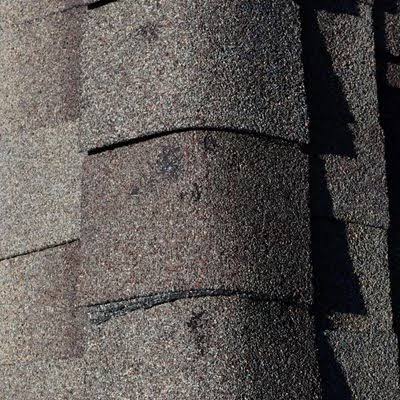
- Dented or Bruised Shingles: Look for dark spots where granules have been knocked off, exposing the black asphalt underneath. These are often called “bruises.”
- Cracked Shingles: Circular cracks or fractures in the shingle material are classic indicators of hail impact.
- Missing Granules in Gutters: After a storm, check your gutters. An excessive amount of sand-like granules suggests significant impact damage.
- Dented Metal Flashings: Check the metal vents, chimneys, and flashing around skylights. If the soft metal is dented, the harder shingles likely sustained damage too.
Pro Tip: If you see dents on your air conditioning unit or window screens, your roof almost certainly took a hit as well. These softer metals act as a reliable proxy for roof impact severity.
The Insurance Clock: Timing Is Everything
Insurance companies operate on strict timelines. Most policies require you to report damage within a certain period after the event, often ranging from 30 to 180 days, depending on your provider and state regulations. However, waiting until the last minute is risky.
Why Adjusters Prefer Fresh Damage
Insurance adjusters are trained to spot the difference between fresh hail hits and old weathering. Fresh bruises have sharp edges and distinct color contrasts. Over time, rain and sun begin to heal or blur these marks, making it harder to prove the damage was caused by a specific recent storm.
By scheduling an inspection immediately, you ensure that the evidence is pristine. A professional roofer can provide a detailed report with photos, diagrams, and core samples if necessary, which strengthens your claim significantly.
| Feature | Fresh Hail Damage | Old Weathering |
|---|---|---|
| Appearance | Sharp, distinct bruises | Faded, blurred edges |
| Granule Loss | Concentrated around impact | Uniform across shingle |
| Pattern | Random, directional | Even, widespread |
| Metal Dents | Shiny, unoxidized dents | Rusted, oxidized dents |
DIY Safety Checks vs. Professional Assessment
It is tempting to grab a ladder and take a closer look, but this is strongly discouraged. Roofs are slippery, especially when wet from melted hail, and steep pitches pose serious fall risks. Furthermore, walking on a damaged roof can cause further harm to the shingles, potentially voiding warranty coverage or complicating your insurance claim.
What You Can Safely Do From the Ground
- Check Perimeter Debris: Walk around your house and look for pieces of shingle, granules, or ice chunks in the yard.
- Inspect Downspouts: Remove the bottom section of your downspout if possible, or look inside from the top. A buildup of granules is a red flag.
- Document Visible Damage: Take clear photos of any dents on siding, windows, or outdoor units. Date-stamp these photos.
What Professionals Bring to the Table
A certified roof inspector does more than just look. They perform a systematic evaluation that includes:
- Core Sampling: Cutting small sections of shingles to check for internal fracturing that isn’t visible on the surface.
- Moisture Detection: Using infrared technology to detect trapped moisture in the roof deck.
- Structural Integrity Check: Ensuring that the impact hasn’t compromised the underlying wood decking.
For a deeper understanding of how hail forms and its physical properties, you can refer to the detailed scientific explanation on Wikipedia’s Hail page. Understanding the density and velocity of hailstones helps explain why even small stones can cause significant damage.
Step-by-Step: What to Do After the Storm
If you suspect hail damage, follow this actionable plan to protect your home and your wallet.
- Wait for Safety: Do not go outside during the storm. Wait until the hail has completely stopped and the roof has dried slightly to prevent slipping.
- Document the Scene: Take wide-angle photos of your property, including the sky, nearby trees, and any visible debris. This establishes context for the insurance adjuster.
- Contact a Reputable Roofer: Look for local, licensed, and insured roofing contractors with good reviews. Avoid “storm chasers” who knock on doors immediately after a storm; they often lack local accountability.
- Schedule the Inspection: Most reputable companies offer free inspections. Ensure they provide a written report.
- File Your Claim: If damage is confirmed, contact your insurance provider. Submit the roofer’s report along with your photos.
- Meet the Adjuster: Have your roofer present during the insurance adjuster’s visit. They can point out damage that an adjuster, who may not be a roofing specialist, might miss.
Frequently Asked Questions
Will my insurance premium go up if I file a hail claim?
In most cases, no. Hail damage is considered an “act of God” or a natural disaster. Since you cannot control the weather, filing a claim for hail damage typically does not result in a premium increase, unlike claims for negligence or preventable accidents. However, laws vary by state, so it is wise to check with your agent.
How long do I have to file a claim after a hail storm?
While policy terms vary, most insurers expect you to report damage as soon as reasonably possible. Waiting more than a year can make it nearly impossible to prove the damage was caused by that specific storm. Aim to file within 30–60 days.
Can hail damage cause leaks immediately?
Not always. Often, hail damages the granular layer first, leading to premature aging. Leaks may not appear for months or even years. However, severe hail can crack shingles instantly, leading to immediate leaks. This unpredictability is why an inspection is crucial regardless of current leaks.
What size hail causes roof damage?
Generally, hailstones larger than 1 inch (quarter-sized) can cause damage to standard asphalt shingles. However, smaller hail (half-inch) traveling at high winds can also bruise shingles, especially if they are older or brittle.
Should I replace the whole roof or just repair it?
This depends on the extent of the damage. If less than 30% of the roof is affected, repairs might suffice. However, if the damage is widespread, or if matching the existing shingles is impossible due to fading, a full replacement is often recommended to ensure uniform protection and aesthetic appeal.
Conclusion
Ignoring the aftermath of a hail storm is a gamble with your home’s integrity. The question “Should I Have My Roof Inspected After A Hail Storm“ is not just about maintenance; it is about financial protection and peace of mind. By acting quickly, you secure the evidence needed for insurance claims and prevent minor bruises from turning into major structural failures.
Don’t wait for the first drip of water to appear on your ceiling. Take proactive steps today to safeguard your biggest investment. If you found this guide helpful, please share it with your neighbors on social media—after all, storms affect entire communities, and informed homeowners are better prepared homeowners.