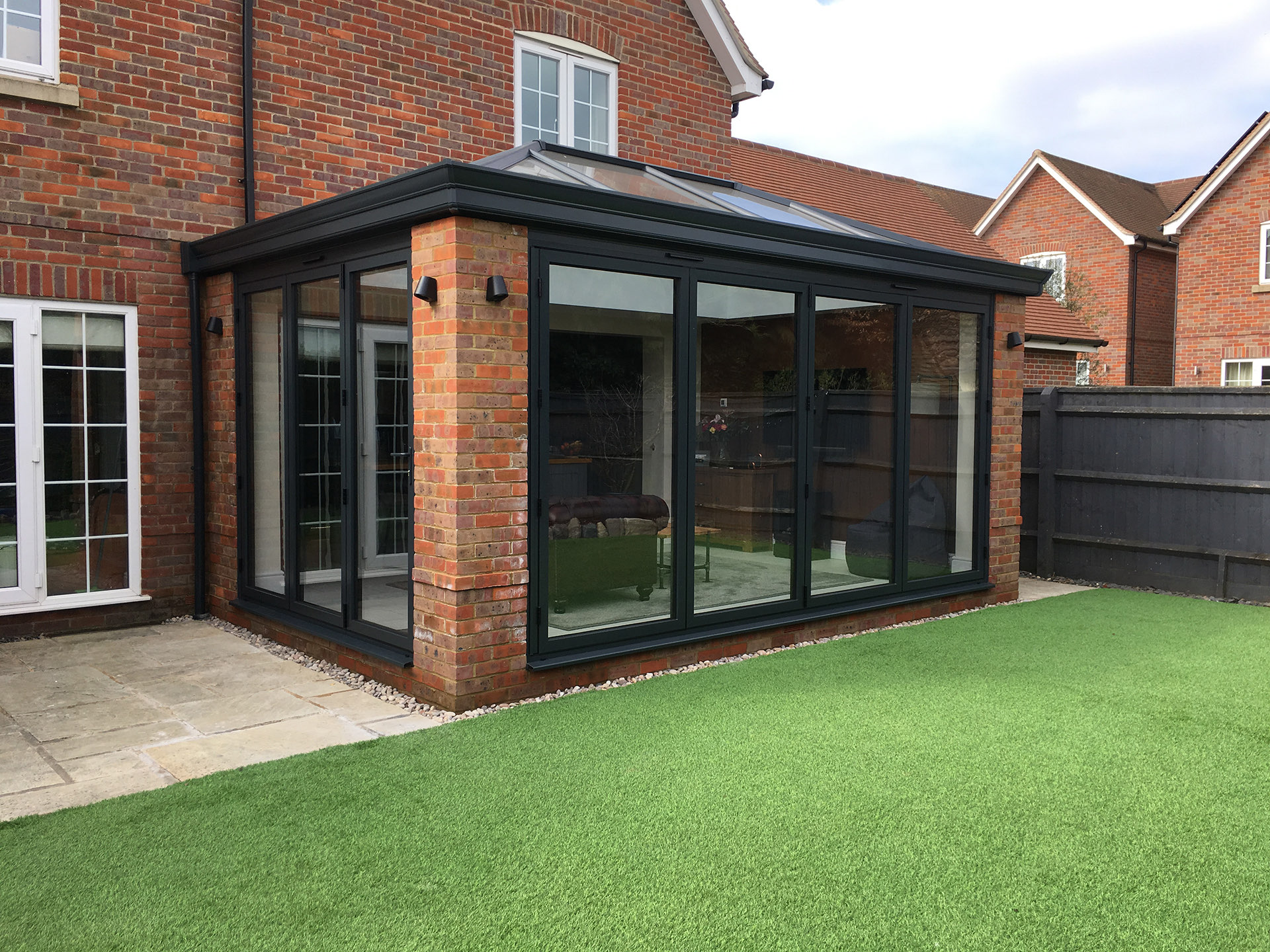
Leaking drips, excessive heat in summer, or freezing temperatures in winter can turn your beloved sunroom into an unusable space. If you are facing these issues, you are likely wondering how much does it cost to replace a conservatory roof to restore comfort and value to your home. This guide breaks down the expenses clearly, helping you make an informed decision without the stress of hidden fees.
Understanding the Average Costs in 2026
Replacing a conservatory roof is not a one-size-fits-all project. The price varies significantly based on materials, size, and structural requirements. However, understanding the baseline costs helps you budget effectively.
In the current market, the average cost to replace a standard-sized conservatory roof (approximately 3m x 4m) ranges between $4,000 and $12,000.
- Polycarbonate Roofs: The most affordable option, typically costing between $4,000 and $6,000.
- Glass Roofs: A mid-range option offering better clarity, usually priced from $7,000 to $9,000.
- Solid/Tiled Roofs: The premium choice for year-round usability, ranging from $9,000 to $15,000+.
These figures include labor, materials, and waste removal. Keep in mind that prices can fluctuate based on your location and the complexity of the existing structure.
What Factors Influence the Final Price?
Before committing to a contractor, it is crucial to understand what drives the cost up or down. Several key variables play a role in the final quote.
1. Material Selection
The type of roofing material is the biggest cost driver. Polycarbonate is cheap but offers poor thermal efficiency. Glass provides a modern look but can still suffer from temperature extremes. Solid roofs, often made with lightweight tiles or slate, provide the best insulation but require more structural support, increasing labor costs.
2. Size and Shape
A larger conservatory naturally requires more materials and labor. Additionally, complex shapes like L-shaped or P-shaped conservatories take longer to install than simple rectangular ones. Custom angles and intricate detailing also add to the fabrication time.
3. Structural Integrity
If your existing frames are old or damaged, they may need reinforcement before a new roof can be installed. This is especially true when switching from a lightweight polycarbonate roof to a heavier solid tiled roof. Structural assessments and reinforcements can add $1,000 to $3,000 to the bill.
4. Glazing Upgrades
Many homeowners choose to upgrade their side windows while replacing the roof. Double or triple-glazed units improve energy efficiency but come at a premium. Expect to pay an additional $50–$100 per square foot for high-performance glazing.
Glass vs. Polycarbonate vs. Solid: Which Is Best?
Choosing the right material involves balancing cost, aesthetics, and functionality. Here is a quick comparison to help you decide.
| Feature | Polycarbonate | Glass | Solid/Tiled |
|---|---|---|---|
| Cost | Low | Medium | High |
| Insulation | Poor | Moderate | Excellent |
| Noise Reduction | Poor (rain noise) | Moderate | Excellent |
| Light Transmission | High | Very High | Low (requires lights) |
| Lifespan | 10–15 years | 20+ years | 25+ years |
| Maintenance | Low | Medium (cleaning) | Low |
Polycarbonate is ideal if you are on a tight budget and only use the room occasionally. Glass is perfect for those who want maximum natural light and a modern aesthetic. Solid roofs are the best choice if you want to convert your conservatory into a year-round living space, such as a kitchen extension or home office.
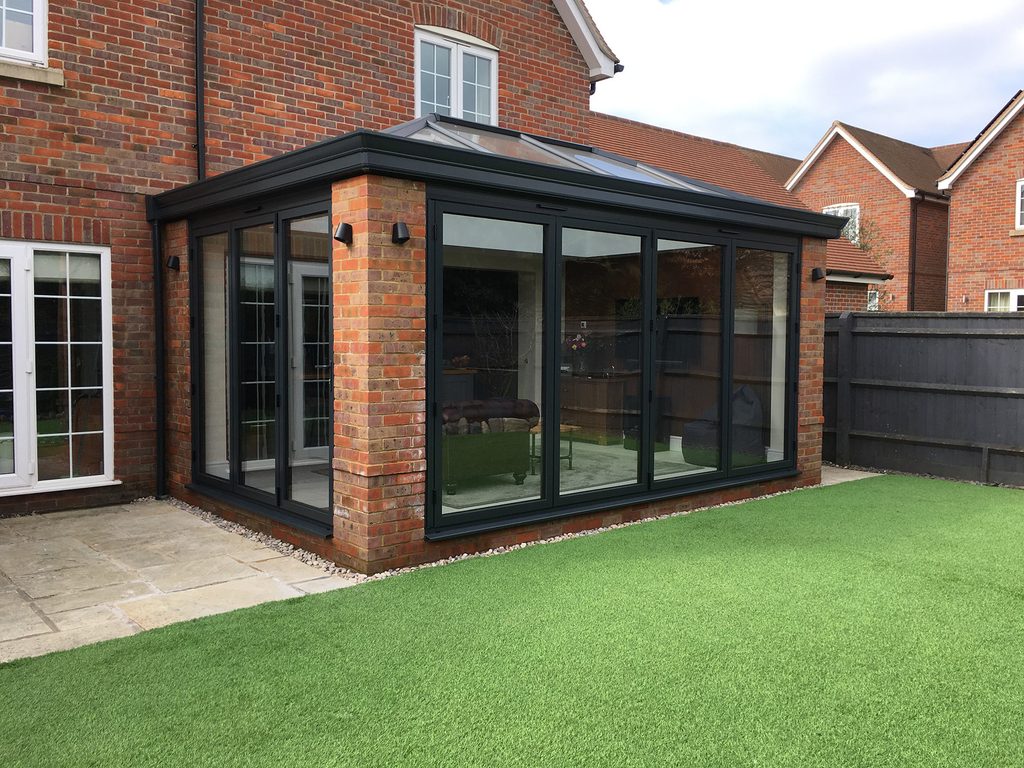
Does Replacing the Roof Require Planning Permission?
One of the most common concerns for homeowners is whether they need official approval. In many cases, replacing a conservatory roof falls under “permitted development,” meaning you do not need full planning permission. However, there are exceptions.
If you are changing the height of the roof, altering the external appearance significantly, or if your property is listed or in a conservation area, you may need approval. It is always wise to check with your local council. For detailed regulations on building standards, you can refer to resources like Wikipedia’s page on Building Code to understand general compliance principles, though local laws always take precedence.
Note: Always consult with a certified installer who can handle permit applications if necessary.
Step-by-Step Replacement Process
Understanding the workflow helps you prepare your home and minimize disruption. Here is how a professional replacement typically unfolds.
- Site Survey and Measurement: A specialist visits your home to measure the existing structure and assess the condition of the frames. They will discuss material options and provide a detailed quote.
- Fabrication: Once you approve the design, the new roof panels are custom-made. This process usually takes 2–4 weeks depending on the material.
- Preparation: On installation day, the team will protect your interior furniture and floors. They will remove the old roof panels carefully to avoid damage to the frames.
- Installation: The new framework (if required) is fitted, followed by the roof panels. For solid roofs, insulation layers and plasterboard ceilings are installed internally.
- Finishing Touches: Gutters, flashings, and trim are added to ensure watertight seals. The site is cleaned, and all waste is removed.
- Final Inspection: The installer checks for leaks and ensures everything meets safety standards. You receive a warranty certificate and care instructions.
How Long Does the Installation Take?
Most standard conservatory roof replacements can be completed in 2 to 5 days.
- Polycarbonate/Glass: These are quicker to install, often taking 2–3 days.
- Solid Roofs: These take longer due to the internal ceiling work, typically requiring 4–5 days.
Weather can impact the timeline, especially during the removal phase. Reputable companies will monitor forecasts and schedule accordingly to prevent water damage to your home.
Hidden Costs to Watch Out For
While the initial quote may seem comprehensive, some extra costs can arise. Being aware of them helps you avoid surprises.
- Scaffolding: If your conservatory is difficult to access, scaffolding may be required. This can cost an additional $500–$1,000.
- Electrical Work: If you are installing a solid roof, you will lose natural light. You may need to hire an electrician to install ceiling lights or fans, adding $300–$800.
- Skip Hire: While most contractors include waste removal, confirm this in your contract. If not, hiring a skip can cost around $200–$400.
- Decorating: After a solid roof installation, you may need to repaint the interior ceiling or walls where the new plasterboard meets the old decor.
Frequently Asked Questions
1. Can I replace just the panels, not the whole frame?
Yes, in many cases, you can retain the existing aluminum or uPVC frames if they are in good condition. This significantly reduces costs. However, if the frames are warped or leaking, a full replacement is recommended for long-term durability.
2. Will a new roof increase my home’s value?
Absolutely. A well-insulated, aesthetically pleasing conservatory adds usable square footage to your home. Estate agents often report that a converted, year-round conservatory can increase property value by 5–10%, depending on the local market.
3. How long does a new conservatory roof last?
- Polycarbonate: 10–15 years before it becomes brittle or discolored.
- Glass: 20+ years, with minimal maintenance.
- Solid/Tiled: 25+ years, similar to a main house roof.
4. Is a solid roof too heavy for my conservatory?
Modern solid roof systems are designed to be lightweight. They use specialized tiles and aluminum structures that are often lighter than traditional double-glazed glass units. A professional surveyor will calculate the load-bearing capacity of your existing frames to ensure safety.
5. Can I install the roof myself?
It is strongly discouraged. Conservatory roofing requires precise sealing and structural knowledge. Incorrect installation can lead to leaks, structural failure, and voided warranties. Always hire a certified professional with insurance coverage.
6. What is the best time of year to replace the roof?
Spring and early autumn are ideal. The weather is mild, reducing the risk of rain delays during the removal phase. Avoid mid-winter if possible, as cold temperatures can affect the curing of sealants.
Conclusion
Replacing your conservatory roof is a significant investment, but it transforms an underused space into a valuable part of your home. Whether you choose affordable polycarbonate, elegant glass, or a highly efficient solid roof, the key is to balance your budget with your lifestyle needs.
By understanding the costs and factors involved, you can negotiate better deals and avoid unexpected expenses. Remember, the cheapest option isn’t always the best in the long run—consider energy savings and durability.
If you found this guide helpful, please share it with friends or family who might be considering similar home improvements. A comfortable, leak-free conservatory is just a few steps away!