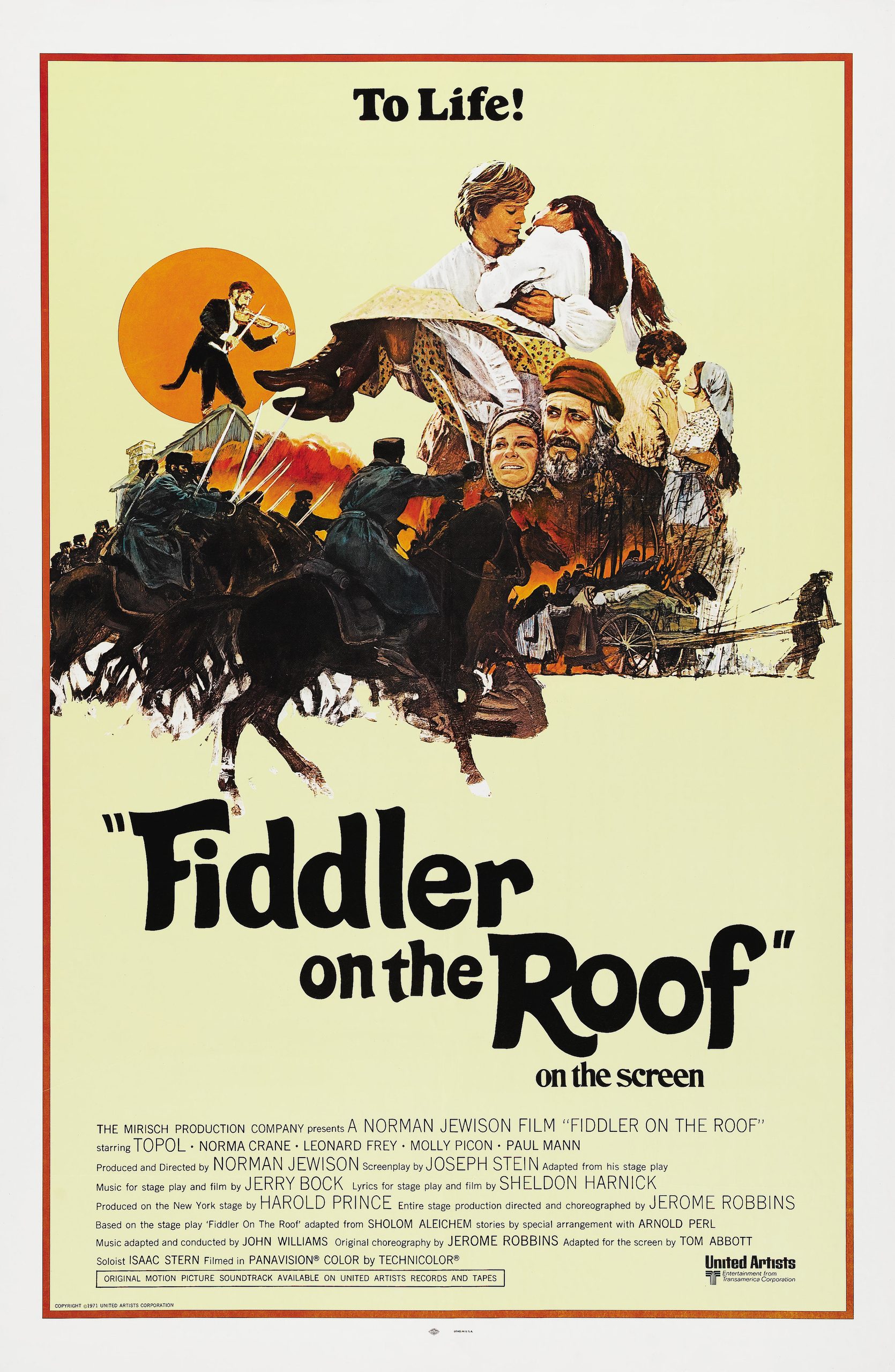
Have you ever found yourself humming “Tradition” while wondering if the heartwarming yet heartbreaking struggles of Tevye actually happened? It is a common question among theater lovers and history buffs alike: Is Fiddler On The Roof Based On A True Story? While the specific characters are fictional, the emotional core and historical setting are deeply rooted in reality.
In this article, we will peel back the curtain to reveal the historical truths, the literary origins, and the cultural impact of this beloved musical. We aim to provide you with a clear, accurate, and engaging answer that respects both the artistry of the stage production and the harsh realities of early 20th-century Jewish life in Eastern Europe.
The Short Answer: Fiction Meets Historical Reality
To give you the direct answer upfront: No, Fiddler on the Roof is not a documentary or a biography of a single real person. However, it is heavily inspired by true historical events and authentic cultural experiences.
The musical is an adaptation of a series of Yiddish stories written by Sholem Aleichem (the pen name of Solomon Naumovich Rabinovich). These stories, collectively known as Tevye the Dairyman, were published between 1894 and 1914. While Tevye himself is a composite character created by Aleichem, he represents the very real plight of millions of Jews living in the Pale of Settlement in the Russian Empire during that era.
So, while you won’t find a birth certificate for “Tevye,” you will find countless historical records of families who faced the exact same dilemmas: poverty, religious persecution, forced displacement, and the painful tension between maintaining tradition and embracing modernity.
Who Was Sholem Aleichem? The Real Voice Behind Tevye
To understand the truth behind the musical, we must look at the man who created the source material. Sholem Aleichem was not just a writer; he was a chronicler of his time. Born in Ukraine in 1859, he witnessed firsthand the anti-Semitic pogroms and the economic hardships that defined Jewish life in the Russian Empire.
Aleichem wrote Tevye the Dairyman as a way to preserve the culture and spirit of a community that was under threat. He used humor and warmth to mask the underlying tragedy of their situation, a technique that perfectly translates to the stage.
“Laughter through tears is my motto.” — Sholem Aleichem
This quote encapsulates the essence of Fiddler on the Roof. The stories were not meant to be strict historical records, but rather emotional truths. Aleichem drew from his own observations, conversations with dairy farmers, and the collective memory of the Jewish shtetl (village) life.
For more detailed biographical information on the author, you can refer to his Wikipedia page, which provides an extensive overview of his life and literary contributions.
The Historical Context: Life in the Pale of Settlement
One of the most critical aspects of answering “Is Fiddler On The Roof Based On A True Story” is understanding the setting. The musical takes place in the fictional village of Anatevka, located in the Pale of Settlement.
What Was the Pale of Settlement?
Established in 1791, the Pale of Settlement was a western region of Imperial Russia where Jews were legally allowed to reside. Outside of this zone, they faced severe restrictions, including bans on owning land in many areas and prohibitions on living in major cities like Moscow or St. Petersburg.
| Feature | Historical Reality | Depiction in Fiddler |
|---|---|---|
| Economy | Mostly agrarian, petty trade, and artisan work. High poverty rates. | Tevye is a poor dairyman; Golde manages the household frugally. |
| Religion | Orthodox Judaism was central to daily life and law. | Constant references to God, prayer, and rabbinical authority. |
| Threats | Periodic pogroms (violent riots) and state-sponsored expulsion. | The climax involves the order to leave Anatevka within three days. |
| Social Change | Rise of socialism, Zionism, and assimilation among youth. | Daughters marry outside traditional norms (love, different faiths). |
The expulsion scene at the end of the musical is not a dramatic invention for theatrical effect. It mirrors the real-life expulsions that occurred throughout the late 19th and early 20th centuries, culminating in the mass emigration of Jews to America and other parts of the world.
Tevye vs. The Real Dairy Farmers
While Tevye is a fictional construct, he is remarkably authentic. Aleichem spent time in villages similar to Anatevka and interviewed real dairy farmers. He wanted to capture the voice of the common man—someone who was not a scholar or a rabbi, but a working-class father trying to do his best.
Key Similarities to Real Life:
- The Struggle for Survival: Like many real dairy farmers, Tevye’s income is precarious. His horse is old, his cow is stubborn, and every kopek counts. This reflects the genuine economic instability of the time.
- Parental Dilemmas: The conflict between generations was real. As industrialization and new ideas reached the shtetls, young people began to question arranged marriages and strict religious observance.
- Resilience: The humor and resilience shown by Tevye and Golde are characteristic of the survival mechanisms developed by Jewish communities facing systemic oppression.
However, there are differences. In the original stories, Tevye is often more cynical and less musical than the Broadway version. The musical softens some of the darker edges of Aleichem’s prose to make it more palatable for a broad American audience in the 1960s.
The Adaptation: From Yiddish Stories to Broadway Hit
The journey from page to stage involved significant changes. Joseph Stein, who wrote the book for the musical, adapted five of Aleichem’s stories. He streamlined the narrative to focus on Tevye’s three eldest daughters: Tzeitel, Hodel, and Chava.
Why the Changes Were Made
- Narrative Focus: The original stories are episodic. The musical needed a cohesive arc, so the daughters’ marriages became the central plot device.
- Universal Appeal: By focusing on family dynamics and universal themes of change, the creators made the story accessible to non-Jewish audiences.
- Historical Compression: The musical compresses several years of historical events into a tighter timeline to maintain dramatic tension.
Despite these artistic liberties, the core message remains true to Aleichem’s intent: to honor a disappearing world.
Common Misconceptions About the Story
When discussing whether Fiddler on the Roof is based on a true story, several myths often arise. Let’s clarify them.
- Myth 1: Anatevka was a real town.
- Fact: Anatevka is fictional. However, it is representative of hundreds of real shtetls in Ukraine and Belarus.
- Myth 2: Tevye was a real person named Tevye.
- Fact: There was no single individual named Tevye who served as the sole basis. He is an amalgamation of many people Aleichem knew.
- Myth 3: The fiddler on the roof is a historical figure.
- Fact: The fiddler is a metaphor. Aleichem described the precarious position of Jewish life as being like a fiddler on a roof, trying to scratch out a pleasant, simple tune without breaking their neck. It symbolizes balance amidst danger.
FAQ Section
1. Is Fiddler on the Roof a true story or fiction?
It is a work of fiction based on true historical events and cultural realities. The characters are invented, but the setting, social conditions, and historical expulsions are real.
2. Did Sholem Aleichem live in a shtetl like Anatevka?
Yes, Sholem Aleichem grew up in Stepanivka, Ukraine, and lived in various towns within the Pale of Settlement. His personal experiences heavily influenced the authenticity of the stories.
3. Are the daughters’ marriages based on real events?
While the specific marriages of Tzeitel, Hodel, and Chava are fictional, they represent real societal trends. Marrying for love, marrying outside the faith, and joining revolutionary movements were actual sources of family conflict in Jewish communities at the time.
4. Why is the musical set in 1905?
The year 1905 is significant because it was a year of intense political unrest in Russia, including the failed Revolution of 1905 and increased pogroms. This historical backdrop adds urgency to the family’s eventual expulsion.
5. How accurate is the depiction of Jewish traditions in the musical?
The musical is generally considered highly accurate in its depiction of Orthodox Jewish traditions, such as the Sabbath dinner, the wedding ceremony, and the role of the Matchmaker. Consultants were used during production to ensure cultural respect and accuracy.
6. Did real families have to leave their homes like in the ending?
Yes. Thousands of Jewish families were forcibly expelled from their villages during this period. Many emigrated to the United States, Argentina, and Palestine, while others moved to larger cities within Russia.
Conclusion
So, is Fiddler On The Roof based on a true story? The answer is a nuanced yes. It is not a biography, but it is a profound historical testament. Through the fictional lens of Tevye, we see the real struggles, joys, and resilience of a community facing extinction.
Sholem Aleichem’s stories preserve the spirit of the shtetl, and the musical brings that spirit to life for new generations. It reminds us that while traditions may change, the human desire for connection, security, and identity remains constant.
If this article helped clarify the history behind your favorite musical, please consider sharing it on social media. Let’s keep the conversation about history, art, and culture alive!