Tag: Energy Efficient Roofing

  • How Much Extra Heat For A Darker Color Metal Roof?

    How Much Extra Heat For A Darker Color Metal Roof?

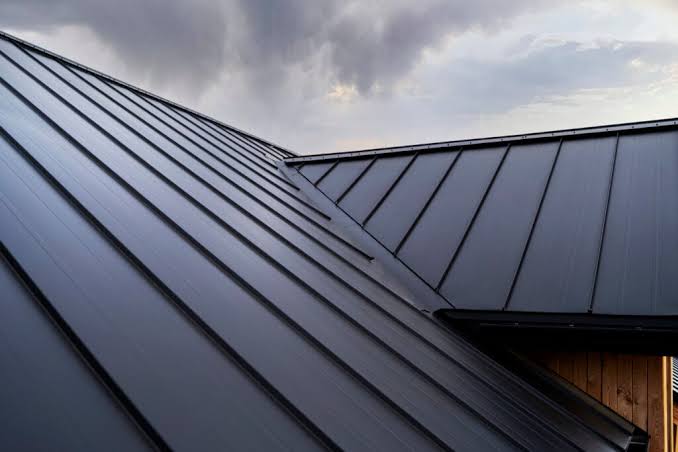
    Have you ever stood outside on a summer day and noticed how much hotter a black car feels compared to a white one? The same physics applies to your home. Many homeowners worry that choosing a sleek, dark-colored metal roof will turn their attic into an oven, leading to skyrocketing air conditioning bills. Understanding exactly how much extra heat for a darker color metal roof is crucial for making an informed decision that balances aesthetics with energy efficiency.

    In this guide, we will break down the science of solar reflectance, provide real-world temperature data, and offer practical solutions to keep your home cool without sacrificing the look you love.

    The Science Behind Solar Absorption

    To understand the heat difference, we first need to look at two key metrics: Solar Reflectance and Thermal Emittance. These factors determine how much sunlight a roof reflects and how efficiently it releases absorbed heat.

    Dark colors have low solar reflectance. This means they absorb a significant portion of the solar spectrum, converting light energy into thermal energy (heat). Light colors, conversely, reflect more sunlight. However, metal roofing behaves differently than traditional asphalt shingles due to its material properties.

    According to the U.S. Department of Energy, “cool roofs” are designed to reflect more sunlight and absorb less heat than standard roofs. While color plays a massive role, the material itself is equally important. Metal is highly conductive, but it also has high thermal emittance, meaning it can release heat quickly once the sun goes down.

    Key Terminology

    • Albedo: The measure of diffuse reflection of solar radiation out of total solar radiation.
    • Emissivity: The ability of a surface to emit absorbed energy.

    Temperature Differences: Dark vs. Light Metal Roofs

    So, what are the actual numbers? How much hotter does it really get?

    While exact temperatures depend on geography, humidity, and specific paint formulations, industry studies provide a clear baseline. On a typical sunny day with ambient temperatures around 90°F (32°C):

    • Light-Colored Metal Roofs: Surface temperatures typically range from 100°F to 120°F (38°C–49°C).
    • Dark-Colored Metal Roofs: Surface temperatures can soar to 140°F to 160°F (60°C–71°C) or higher.

    This means a dark metal roof can be 20°F to 40°F hotter on the surface than a light-colored one. However, it is vital to distinguish between surface temperature and attic temperature. The heat transfer into your living space is not a 1:1 ratio due to insulation and ventilation.

    Comparative Data Table

    Roof TypeColorApprox. Surface Temp (90°F Day)Solar Reflectance Index (SRI)Relative Heat Gain
    Metal PanelWhite/Cream105°F – 115°FHigh (80-90%)Low
    Metal PanelTerracotta/Red125°F – 135°FMedium (40-50%)Moderate
    Metal PanelBlack/Charcoal145°F – 165°FLow (10-20%)High
    Asphalt ShingleBlack150°F – 170°FVery Low (<10%)Very High

    Note: Data represents average conditions; specific coatings can alter these values significantly.
    How Much Extra Heat For A Darker Color Metal Roof

    Does Roof Color Impact Energy Bills?

    The primary concern for most US homeowners is the wallet. Does a darker roof actually cost more to cool?

    The answer is yes, but often less than you might think.

    Because metal roofs are installed with an air gap (battens or purlins) and usually over solid sheathing with insulation, the heat absorbed by the dark pigment does not immediately radiate into your home. The air gap allows for ventilation, which helps dissipate heat before it penetrates the thermal barrier.

    Studies suggest that while a dark roof absorbs more heat, the difference in annual cooling costs between a dark and light metal roof is often marginal—typically ranging from 5% to 10% in hot climates. In colder climates, a dark roof can actually be beneficial in winter by helping to melt snow and providing slight passive heating.

    Expert Insight

    “The color of the roof is only one part of the equation. Proper attic ventilation and adequate insulation (R-value) are far more critical to indoor comfort than the shade of your roof panels.” — Senior Building Scientist, National Roofing Contractors Association

    Modern Technology: Cool Pigments and Coatings

    Here is the good news: You do not have to choose between a beautiful dark roof and energy efficiency anymore. Advances in coating technology have changed the game.

    Manufacturers now use “Cool Pigment” technology. Traditional dark paints use carbon black, which absorbs heat across the entire solar spectrum. Cool pigments use specialized infrared-reflective particles. These particles allow the paint to appear dark to the human eye (visible spectrum) while reflecting a significant amount of near-infrared radiation (which carries the heat).

    Benefits of Cool-Coated Dark Metal Roofs:

    1. Lower Surface Temperatures: Can reduce surface heat by up to 50°F compared to standard dark paints.
    2. Energy Star Ratings: Many dark metal roofs now meet Energy Star criteria for steep-slope roofs.
    3. Durability: These coatings are often thicker and more resistant to fading and chalking.

    When shopping for a dark metal roof, look for products labeled as “Energy Star Certified” or those with a high Solar Reflectance Index (SRI) value, even if they are black or bronze.

    Mitigation Strategies for Dark Roofs

    If you have your heart set on a dark roof but live in a hot climate like Arizona, Texas, or Florida, you can take additional steps to minimize heat gain.

    1. Optimize Attic Ventilation

    Ensure your roof system includes ridge vents and soffit vents. This creates a chimney effect, pulling hot air out from under the metal panels before it heats up the decking.

    2. Increase Insulation R-Value

    Upgrade your attic insulation. In southern US states, an R-value of R-30 to R-60 is recommended. This acts as a shield, preventing whatever heat does penetrate from entering your living space.

    3. Install a Radiant Barrier

    A radiant barrier is a reflective material (usually aluminum foil) installed in the attic. It reflects radiant heat away from the living space. This is particularly effective for metal roofs because it addresses the radiant heat transfer directly.

    4. Choose Matte Finishes Over Glossy

    Counterintuitively, glossy dark finishes can sometimes feel hotter to the touch due to direct reflection angles, but matte finishes often disperse heat slightly better and hide imperfections. More importantly, matte finishes tend to have better long-term durability against UV degradation.

    FAQ Section

    1. Will a black metal roof fade faster than a white one?

    Yes, dark colors are more susceptible to UV degradation and fading over time. However, high-quality Kynar 500® or Hylar 5000® fluoropolymer coatings used in premium metal roofing are designed to resist fading for 20–30 years, regardless of color.

    2. Is a dark metal roof hotter than a dark asphalt shingle roof?

    Generally, no. While both absorb similar amounts of solar radiation, metal has higher thermal emittance. This means it releases heat faster once the sun sets. Asphalt shingles tend to hold heat longer, keeping the attic warmer into the night.

    3. Can I paint my existing dark metal roof to make it cooler?

    Yes, you can apply elastomeric cool-roof coatings. These are thick, reflective paints that can be rolled or sprayed onto existing metal roofs. They can significantly lower surface temperatures and extend the life of the roof.

    4. Does the extra heat damage the metal panels?

    No. Metal roofing is designed to withstand extreme temperature fluctuations. The expansion and contraction caused by heating and cooling are accounted for in the installation method (using sliding clips rather than fixed screws).

    5. How much extra heat for a darker color metal roof in winter?

    In winter, the “extra heat” is actually a benefit. A dark roof can help melt snow and ice dams faster than a light roof, reducing the risk of water backup under the eaves. This can lower heating bills slightly in cold climates.

    Conclusion

    Choosing a roof color is a balance of aesthetics, performance, and budget. So, how much extra heat for a darker color metal roof? Typically, expect surface temperatures to be 20°F to 40°F higher than light counterparts. However, thanks to modern insulation, ventilation, and cool-pigment technology, this does not necessarily translate to uncomfortable indoor temperatures or exorbitant energy bills.

    By selecting high-quality coatings with high SRI ratings and ensuring your attic is properly ventilated, you can enjoy the sophisticated look of a dark metal roof without the thermal penalty.

    Did you find this guide helpful? Share it with your friends on Facebook or Pinterest who are considering a new roof! Let’s help everyone make smarter, cooler choices for their homes.
  • Can I Get A Tax Credit For A New Roof?

    Can I Get A Tax Credit For A New Roof?

    Replacing a roof is one of the most significant home maintenance expenses a homeowner can face. It is a necessary investment to protect your family and property, but the high cost often leads to financial stress. Many homeowners naturally ask, “Can I get a tax credit for a new roof?” to help offset these substantial expenses.

    The short answer is: It depends entirely on the type of roof you install.

    While a standard asphalt shingle replacement generally does not qualify for federal tax credits, installing an energy-efficient roofing system or a solar-integrated roof can unlock significant savings. In this guide, we will break down exactly what qualifies, how the current laws work in 2026, and how you can maximize your return on investment while improving your home’s energy efficiency.

    Understanding the Difference: Tax Credit vs. Tax Deduction

    Before diving into the specific requirements, it is crucial to understand the financial mechanism at play. Many people confuse tax deductions with tax credits, but they impact your wallet differently.

    • Tax Deduction: This lowers your taxable income. If you are in the 22% tax bracket, a $1,000 deduction saves you $220.
    • Tax Credit: This reduces your tax bill dollar-for-dollar. A $1,000 credit saves you exactly $1,000.

    For roofing, we are primarily discussing the Residential Clean Energy Credit, which is a tax credit. This makes it far more valuable than a standard deduction. However, eligibility is strict. The Internal Revenue Service (IRS) does not offer credits for routine maintenance or aesthetic upgrades. The improvement must contribute to the energy efficiency of the home or generate clean energy.

    Does a Standard Roof Replacement Qualify?

    If you are simply replacing old, damaged shingles with new standard asphalt shingles because of storm damage or wear and tear, the answer is likely no. Routine repairs and replacements that do not improve the energy efficiency of the home are considered personal expenses.

    However, there is a nuance. If your roof was damaged by a federally declared disaster, you might be eligible for a Casualty Loss Deduction. This is not a tax credit, but it can still provide some financial relief if your unreimbursed losses exceed 10% of your adjusted gross income (AGI). This is a complex area of tax law, and documentation is key. You must prove the damage was sudden and unexpected, not due to long-term neglect.

    The Residential Clean Energy Credit: Your Path to Savings

    The primary avenue for receiving a tax break on a new roof in 2026 is through the Residential Clean Energy Credit (formerly known as the Investment Tax Credit or ITC). This credit was expanded and extended under the Inflation Reduction Act.

    As of 2026, this credit allows homeowners to claim 30% of the cost of qualifying clean energy property installed on their primary residence. There is no cap on the credit amount for solar electric property, which includes solar roofs.

    What Qualifies as a “Clean Energy” Roof?

    To qualify, the roofing material must meet specific criteria set by the Department of Energy and the IRS. Generally, this falls into two categories:

    1. Solar Electric Property: This includes traditional solar panels mounted on your roof and solar shingles (like Tesla Solar Roof or GAF Energy). These systems generate electricity for your home.
    2. Energy-Efficient Building Envelope Components: While less common for a full roof replacement, certain reflective roofing materials that meet specific Energy Star standards may qualify under broader energy efficiency provisions, though these rules change frequently. Currently, the strongest case for a tax credit is for solar-integrated roofing.

    According to Wikipedia, U.S. energy policy has increasingly shifted toward incentivizing decentralized renewable energy generation, making solar roofing a politically and financially supported upgrade.

    Can I Get A Tax Credit For A New Roof

    Step-by-Step Guide to Claiming Your Roof Tax Credit

    If you have determined that your new roof qualifies—specifically if it involves solar technology—follow these steps to ensure you claim the credit correctly. Missing a step could result in a delayed refund or an audit.

    Step 1: Verify Product Eligibility

    Not all solar roofs are created equal. Ensure the manufacturer provides a Manufacturer Certification Statement. This document confirms that the product meets the federal efficiency standards required for the tax credit. Keep this document safe; you may need to present it during an audit.

    Step 2: Hire a Certified Installer

    The installation must be performed by a qualified professional. The system must be placed in service (meaning it is ready and able to generate electricity) within the tax year you are claiming the credit. For 2026, the system must be operational by December 31, 2026.

    Step 3: Gather Your Documentation

    Collect all invoices and receipts. The total cost basis for the credit includes:

    • The cost of the roofing materials (solar shingles/panels).
    • Labor costs for assembly and original installation.
    • Piping or wiring costs.
    • Sales taxes on eligible expenses.

    Note: Do not include costs for structural upgrades to your roof deck unless they are strictly necessary to support the solar equipment.

    Step 4: File IRS Form 5695

    When filing your 2026 federal tax return, you must complete IRS Form 5695 (Residential Energy Credits). You will calculate the credit here and then transfer the amount to your Schedule 3 (Form 1040).

    Expense TypeIncluded in Credit?Notes
    Solar Shingles/PanelsYesMust meet federal standards
    Installation LaborYesMust be part of the initial install
    Roof Deck RepairNoConsidered structural repair
    Battery StorageYesIf charged solely by the solar roof
    Permits & FeesYesDirectly related to installation

    People Also Ask: Common Questions About Roof Tax Credits

    1. Can I claim the tax credit if I lease my solar roof?

    No. If you enter into a lease agreement or a Power Purchase Agreement (PPA), you do not own the system. Therefore, you cannot claim the tax credit. The leasing company owns the equipment and claims the incentive. To get the credit, you must purchase the system outright or finance it through a loan where you retain ownership.

    2. Is there an income limit for the Residential Clean Energy Credit?

    Currently, there is no income limit for claiming the Residential Clean Energy Credit. Whether you earn $50,000 or $500,000, you are eligible for the 30% credit, provided you have enough tax liability to use it. However, the credit is non-refundable. This means it can reduce your tax bill to zero, but you will not receive a refund for any excess credit amount. Unused credits can sometimes be carried forward to future tax years.

    3. Does a “Cool Roof” with reflective granules qualify?

    Standard “cool roofs” that simply reflect sunlight to lower attic temperatures typically do not qualify for the federal Residential Clean Energy Credit unless they are part of a solar energy system. Some local state or utility rebates may exist for cool roofs, so check with your local energy provider, but do not expect a federal tax credit for reflective shingles alone in 2026.

    4. What if I move before I use the full credit?

    Since the credit is attached to the taxpayer and not the home, you keep the credit even if you sell the house. However, because it is non-refundable, you must have sufficient tax liability in the year of installation to utilize it. If you sell the home shortly after installation, ensure you have filed your taxes correctly for that year to capture the benefit.

    5. Can I combine this with other rebates?

    Yes. You can often stack federal tax credits with state rebates, local utility incentives, and manufacturer discounts. However, be careful: some state rebates may reduce the “cost basis” of your system for federal tax purposes. Always consult with a tax professional to calculate the optimal combination of incentives.

    Maximizing Your Investment Beyond Taxes

    While the tax credit is a powerful tool, it shouldn’t be the only factor in your decision. An energy-efficient roof offers long-term benefits that go beyond tax season:

    • Lower Utility Bills: Solar roofs can significantly reduce or eliminate your monthly electricity bill. Over 20 years, these savings often outweigh the initial installation cost.
    • Increased Home Value: Homes with solar installations and energy-efficient features tend to sell faster and at higher premiums. Buyers are increasingly aware of energy costs.
    • Durability: Many solar shingles are designed to be more durable than traditional asphalt, offering better resistance to hail and wind.

    Conclusion

    So, can you get a tax credit for a new roof? Yes, but only if you choose the right type of roofing. Standard shingles won’t cut it, but investing in a solar-integrated roof or qualifying clean energy system can unlock a 30% federal tax credit in 2026.

    This incentive makes now an excellent time to consider upgrading your home’s energy infrastructure. By reducing your reliance on the grid and lowering your tax burden, you create a win-win scenario for your finances and the environment.

    Don’t let the complexity of tax codes deter you. With proper documentation and the right products, you can turn a necessary home repair into a smart financial investment.

    Found this guide helpful? Share it with your neighbors or on social media to help others navigate the world of home improvement tax incentives!