Dealing with a dripping ceiling during a Georgia thunderstorm is every homeowner’s nightmare. The stress of water damage, mold growth, and structural decay can feel overwhelming, especially when you are unsure where to start. If you are searching for how to fix a small roof leak in Cumming Ga, you have come to the right place to find practical, safe, and effective solutions tailored to our local climate.
Cumming, located in Forsyth County, experiences unique weather patterns that can be harsh on roofing systems. From the intense summer heat that bakes asphalt shingles to the sudden, heavy downpours common in the Southeast, your roof is under constant stress. A small leak might seem minor, but ignoring it can lead to costly repairs down the line. This guide will walk you through identifying the source, executing a temporary fix, and knowing when to call in the professionals.
Why Do Roofs Leak in Cumming, GA?
Before jumping into the repair process, it is crucial to understand why the leak is happening. In Cumming, the primary culprits are often environmental factors combined with age.
The Impact of Local Weather
Forsyth County sees an average of 50 inches of rain annually. When this rain combines with high humidity, it creates a perfect storm for roof degradation. Thermal expansion and contraction caused by hot days and cooler nights can cause shingles to crack or lift over time. Once the protective granule layer is compromised, water finds its way underneath.
Common Vulnerability Points
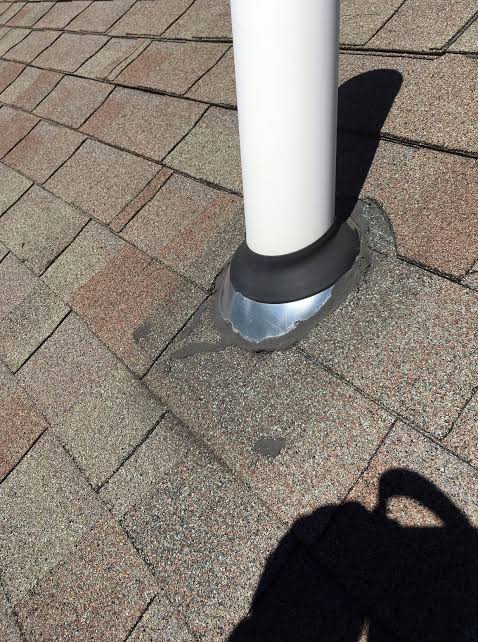
Most small leaks do not originate from the middle of a shingle field. Instead, they occur at penetration points or transitions. According to general roofing data, nearly 90% of roof leaks occur around flashings, vents, chimneys, and valleys. In older homes in Cumming, particularly those built in the 1990s or early 2000s, the original flashing materials may have corroded or separated due to age.
Safety First: Preparing for Roof Repair
Attempting to fix a roof leak can be dangerous. Before you climb a ladder, please prioritize your safety.
- Check the Weather: Never attempt roof repairs during rain, wind, or when the roof is wet. Slippery shingles are a major hazard. Wait for a dry, calm day.
- Use Proper Gear: Wear rubber-soled shoes for better traction. Use a sturdy extension ladder secured at the base. If possible, have a spotter hold the ladder.
- Fall Protection: For steep roofs, consider using a harness anchored to a secure point. If you are uncomfortable with heights, do not proceed. Call a professional instead.
Step-by-Step: How to Fix a Small Roof Leak
If the leak is small and accessible, you can often perform a temporary patch to stop the water intrusion until a permanent repair can be made. Here is a detailed tutorial.
Step 1: Locate the Source
Finding the exact entry point is the hardest part. Water travels along rafters before dripping, so the wet spot on your ceiling is rarely directly below the hole.
- Go into your attic during daylight hours.
- Look for stains, mold, or light coming through the roof deck.
- If you cannot see it, have someone hose down the roof while you watch from the attic (only if safe and dry inside).
- Mark the area on the exterior roof corresponding to the interior stain.
Step 2: Clean the Area
Once you have identified the suspect area on the roof, you must prepare the surface. Adhesives will not stick to dirt, moss, or loose granules.
- Use a stiff brush to sweep away debris.
- If there is moss or algae (common in shaded areas of Cumming homes), scrub it gently with a mixture of water and mild detergent.
- Allow the area to dry completely. Moisture trapped under a patch will cause further rot.
Step 3: Apply Roofing Cement or Patch
For small cracks or holes around vent pipes or shingles, roofing cement is your best friend.
- Lift the Shingle: If the leak is under a shingle, carefully lift the edge using a flat bar. Do not tear it.
- Apply Cement: Using a putty knife, apply a generous layer of plastic roof cement under the shingle and over the crack or hole.
- Press Down: Firmly press the shingle back into place. Wipe away any excess cement that squeezes out.
- Seal Edges: If the shingle is cracked, apply a bead of cement along the crack and cover it with a small piece of matching shingle material if available.
Step 4: Inspect Flashings
If the leak is near a chimney or vent, check the metal flashing. If the caulk is cracked, scrape it out and reapply a high-quality, UV-resistant roofing sealant. Ensure the metal is tightly secured against the roof surface.
Temporary vs. Permanent Fixes: What You Need to Know
It is vital to distinguish between a “band-aid” solution and a true repair. Many DIY methods are temporary measures to prevent immediate water damage.
| Feature | Temporary DIY Patch | Professional Permanent Repair |
|---|---|---|
| Cost | Low ($20–$50 for materials) | Higher ($300–$800+ depending on scope) |
| Longevity | 6 months – 2 years | 10–20+ years |
| Warranty | None | Often includes labor and material warranty |
| Best For | Emergency stops, minor cracks | Structural issues, widespread wear |
| Risk | High if done incorrectly | Low (insured professionals) |
Note: In Cumming’s humid climate, temporary patches may degrade faster due to UV exposure and thermal cycling. Always plan for a professional inspection within six months of a DIY patch.
When to Call a Professional Roofer in Cumming
While DIY fixes are empowering, some situations require expert intervention. You should contact a licensed roofing contractor in Forsyth County if:
- The Leak is Large: If water is pouring in or the ceiling is sagging, evacuate the area and call for help immediately.
- Multiple Leaks: This indicates systemic failure of the roofing system, likely requiring a replacement rather than a repair.
- Steep Pitch: If your roof has a steep slope, the risk of falling is too high for untrained individuals.
- Warranty Concerns: If your roof is relatively new, DIY repairs might void the manufacturer’s warranty. Check your documentation first.
For more information on roofing standards and materials, you can refer to Wikipedia’s article on Roofing to understand the technical components involved in residential roofing systems.
FAQ: Common Questions About Roof Leaks in Cumming
1. How much does it cost to fix a small roof leak in Cumming, GA?
The cost varies based on the severity and location. A minor repair involving resealing flashing or replacing a few shingles typically ranges from $350 to $650. However, if the leak has caused internal drywall damage or mold, the total cost will be higher. Always get at least three quotes from local, insured contractors.
2. Can I use silicone caulk to fix a roof leak?
Standard silicone caulk is not recommended for roof repairs. It lacks the flexibility and UV resistance needed for roofing applications. Instead, use specialized roofing cement or polyurethane sealant designed specifically for exterior roofing use. These products expand and contract with temperature changes without cracking.
3. Will homeowners insurance cover a small roof leak?
Insurance typically covers leaks caused by sudden and accidental events, such as a storm blowing off shingles. However, they usually deny claims for leaks resulting from wear and tear, lack of maintenance, or age. Since Cumming experiences significant weather variability, documenting the cause of the leak with photos is essential for any claim.
4. How long can I wait to fix a small leak?
You should fix it immediately. Even a small drip can lead to mold growth within 24–48 hours in Georgia’s humid climate. Mold remediation is far more expensive than a simple roof patch. Additionally, water can rot wooden rafters, compromising the structural integrity of your home.
5. What are the signs of a hidden roof leak?
Look for:
- Brown or yellow water stains on ceilings or walls.
- A musty odor in the attic or upper floors.
- Peeling paint or bubbling wallpaper.
- Damp insulation in the attic.
- Increased energy bills (due to wet insulation losing effectiveness).
Conclusion
Learning how to fix a small roof leak in Cumming Ga is a valuable skill that can save you money and protect your home’s value. By acting quickly, prioritizing safety, and using the right materials, you can mitigate damage from our region’s unpredictable weather. Remember, while DIY patches are excellent for immediate relief, they are not a substitute for professional maintenance.
Regular inspections, especially after severe storms, are key to longevity. If you found this guide helpful, please share it with your neighbors in Forsyth County on social media. Helping others protect their homes strengthens our entire community. Stay dry and stay safe!