Living in a wildfire-prone area brings a unique set of anxieties, especially when the wind picks up and smoke fills the air. Many homeowners focus intensely on the approaching flame front, but they often overlook the silent, airborne threat that travels miles ahead of the fire: glowing embers. Understanding how many homes burn down from embers on the roof is crucial for shifting your defense strategy from reactive to proactive. This guide will help you secure your most vulnerable asset—your home—against these tiny but deadly sparks.
The Silent Killer: Why Embers Are More Dangerous Than Flames
When we imagine a wildfire destroying a home, we often picture a wall of fire consuming the structure. However, fire science tells a different story. In many cases, the house is already compromised before the main fire front even arrives.
Embers, also known as firebrands, are small pieces of burning material carried by the wind. They can travel up to several miles ahead of the actual fire line. These glowing fragments seek out vulnerabilities in your home’s exterior, particularly the roof, vents, and gutters.
According to data from the National Institute of Standards and Technology (NIST), up to 90% of homes destroyed in wildfires are ignited by embers, not direct contact with flames. This statistic highlights a critical gap in traditional home safety planning. If your roof is not ember-resistant, it acts as a target for these airborne igniters.
The Mechanics of Ember Ignition
Embers do not need a massive fuel source to start a fire. They only need three things:
- Heat: Enough to ignite dry material.
- Fuel: Dry leaves, pine needles, or wooden shingles.
- Time: Even a few minutes of exposure can be fatal to a structure.
Once an ember lands in a gutter clogged with dry debris or settles into a crack in an old wood-shake roof, it can smolder unnoticed. By the time you see smoke, the fire may have already breached the attic space.
How Many Homes Burn Down From Embers On The Roof? Analyzing the Data
While exact real-time numbers fluctuate with every fire season, historical data provides a clear and alarming trend. The question “how many homes burn down from embers on the roof” does not have a single static answer, but rather a percentage that remains consistently high across major wildfire events in the United States.
Key Statistics from Recent Wildfires
- California Camp Fire (2018): Post-fire analysis revealed that the majority of structural losses were due to ember cast. Homes with cleared defensible spaces still burned because embers entered through vents or ignited roofs.
- Colorado Marshall Fire (2021): Investigators found that embers traveled over a mile ahead of the fire front, igniting roofs and decks long before the flame zone arrived.
- General Consensus: Fire experts estimate that 60% to 90% of home ignitions during wildland-urban interface (WUI) fires are caused by embers landing on roofs or entering through openings.
This means that if you live in a high-risk zone, the likelihood of your home being threatened by roof embers is significantly higher than being hit by direct flame contact.
| Ignition Source | Estimated Percentage of Home Losses | Primary Vulnerability |
|---|---|---|
| Embers | 60% – 90% | Roofs, Vents, Gutters, Decks |
| Direct Flame Contact | 10% – 30% | Vegetation touching the house |
| Radiant Heat | < 10% | Windows, Siding |
Data synthesized from NIST and IBHS studies.
Why Roofs Are the Primary Target
Your roof is the largest surface area of your home exposed to the sky. It is the first line of defense against falling debris and airborne embers. Several factors make roofs particularly susceptible:
- Accumulation of Debris: Leaves, pine needles, and twigs naturally accumulate in valleys, gutters, and behind chimneys. These materials are highly flammable when dry.
- Material Flammability: Older wood-shake or wood-shingle roofs have low fire-resistance ratings. Even some composite materials can degrade over time, becoming more vulnerable.
- Hidden Entry Points: Embers can slip under loose tiles, into cracked flashing, or through unscreened vents, igniting the attic insulation or framing.
Expert Insight: “The roof is the umbrella of your home. If it leaks embers, everything underneath gets wet with fire.” — Fire Safety Engineer, IBHS.
Step-by-Step Guide to Ember-Proofing Your Roof
Protecting your home requires a systematic approach. Here is a actionable checklist to reduce the risk of ember ignition.
Step 1: Clean Your Gutters and Roof Surface
Debris is fuel. Remove all leaves, pine needles, and branches from your roof, gutters, and valleys.
- Frequency: At least twice a year, and immediately before fire season.
- Tool Tip: Use a leaf blower for safety; avoid climbing on steep roofs unless professional.
Step 2: Install Gutter Guards
Gutter guards prevent debris from accumulating while allowing water to flow.
- Recommendation: Choose metal mesh guards that are non-combustible. Plastic guards can melt and fail during high heat.
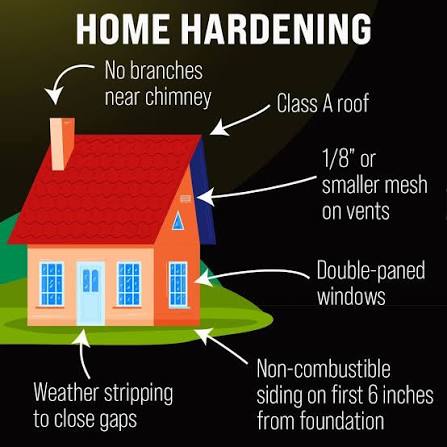
Step 3: Upgrade to Class A Fire-Rated Roofing
If you are due for a roof replacement, invest in Class A fire-rated materials.
- Best Options: Concrete tile, clay tile, slate, or metal roofing.
- Avoid: Wood shakes or shingles unless treated with fire-retardant chemicals (and even then, maintenance is critical).
Step 4: Seal Vents and Openings
Embers can enter through 1/8-inch gaps.
- Action: Install 1/8-inch metal mesh screening over all attic, soffit, and foundation vents.
- Check: Ensure chimney caps are installed and in good condition.
Step 5: Maintain Defensible Space
Clear vegetation within 5 feet of your home’s foundation. This reduces the chance of ground fires climbing up to ignite the eaves or roof edge.
For more detailed information on fire-resistant building materials, you can refer to the comprehensive guidelines on Fire Resistance Rating available on Wikipedia.
Common Misconceptions About Roof Fires
There are several myths that lead homeowners to underestimate the danger of embers.
Myth 1: “If I hose down my roof, it will be safe.”
- Reality: Water evaporates quickly in hot, windy conditions. Once the water is gone, the dry material is still vulnerable. Continuous wetting is required, which is often impractical during an evacuation.
Myth 2: “My neighbor’s house burned, so mine will too.”
- Reality: Fire spread is highly variable. One home may survive due to better maintenance (clean gutters, screened vents) while the next one burns. Your actions matter.
Myth 3: “Embers only come from nearby trees.”
- Reality: Embers can travel miles. A fire five miles away can send embers to your roof if the wind is strong enough.
FAQ Section
1. How far can embers travel from a wildfire?
Embers can travel significantly farther than most people realize. Depending on wind speed and terrain, embers have been documented traveling 1 to 4 miles ahead of the fire front. In extreme weather conditions, this distance can be even greater.
2. What is the best roofing material for wildfire zones?
Class A fire-rated materials are the gold standard. Metal roofs, concrete tiles, clay tiles, and slate are excellent choices because they are non-combustible. Asphalt shingles can be Class A rated, but they must be installed correctly with no exposed wood underneath.
3. How often should I clean my gutters in a fire-prone area?
In high-risk areas, you should clean your gutters and roof valleys at least twice a year. Additionally, perform a quick inspection and cleaning after any major storm or high-wind event that may have deposited new debris.
4. Can embers ignite a house if the roof is clean?
Yes, but the risk is significantly lower. If the roof is clean and made of fire-resistant material, embers are likely to burn out without causing ignition. However, embers can still enter through unscreene vents or gaps in siding, so whole-home hardening is essential.
5. What size mesh should I use for vent screens?
The recommended mesh size is 1/8 inch (3mm) or smaller. This size is small enough to block most embers while still allowing adequate airflow for ventilation. Larger meshes (like 1/4 inch) may allow smaller embers to pass through.
Conclusion
Understanding how many homes burn down from embers on the roof reveals a stark reality: the majority of wildfire-related home losses are preventable. Embers are stealthy, traveling miles ahead of the fire to exploit weaknesses in our homes. However, by taking proactive steps—such as cleaning gutters, installing vent screens, and upgrading to fire-resistant roofing—you can dramatically increase your home’s chances of survival.
Don’t wait for the smoke to appear. Take action today to harden your home against embers. Share this article with your neighbors and community groups to help build a safer, more resilient neighborhood together. Stay safe, stay prepared, and protect what matters most.