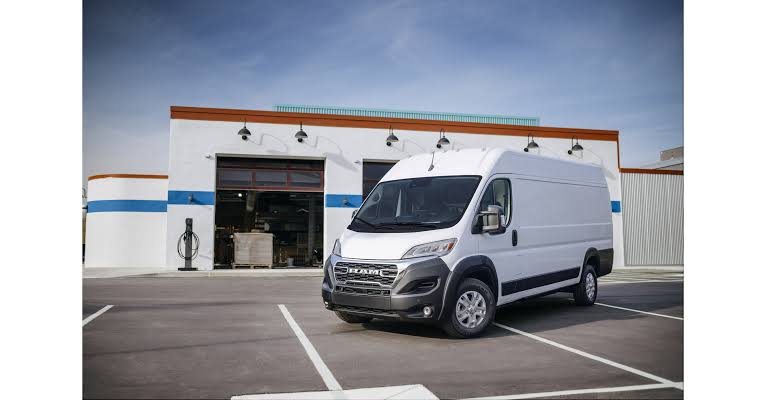
If you are transitioning your delivery fleet to electric or simply upgrading your personal workhorse, knowing the structural limits of your vehicle is critical. Many business owners find themselves asking, “What Is The Roof Capacity Of Promaster Ev Cargo Van“ before installing essential equipment like solar panels, ladders, or HVAC units. Understanding this limit ensures you maintain vehicle safety, warranty validity, and optimal battery efficiency.
The shift to electric vehicles (EVs) brings unique considerations regarding weight distribution and aerodynamics. Unlike traditional gas vans, every pound added to the roof of an EV can subtly impact range and handling. In this guide, we will break down the exact specifications, safety margins, and best practices for maximizing your Ram ProMaster EV’s utility without compromising its integrity.
Understanding the Official Roof Load Limits
When discussing roof capacity, it is vital to distinguish between static and dynamic load ratings. Most manufacturers provide two different numbers, and confusing them can lead to catastrophic structural failure.
Dynamic vs. Static Load: What’s the Difference?
- Dynamic Load: This is the weight the roof can support while the vehicle is in motion. For most high-roof cargo vans, including the Ram ProMaster series, this limit is typically conservative to account for wind resistance, braking forces, and cornering G-forces.
- Static Load: This refers to the weight the roof can hold when the vehicle is parked on level ground. This number is significantly higher because there are no kinetic forces acting against the structure.
For the Ram ProMaster (both gasoline and upcoming EV variants based on the STLA Frame platform), the general industry standard for dynamic roof loading is approximately 150 to 200 pounds (68–90 kg) distributed evenly across the roof ribs. However, because the EV variant may have slight structural reinforcements to accommodate battery packaging and different weight distributions, relying on older gas-model data can be risky.
Expert Note: Always consult the specific Owner’s Manual for your model year. As of late 2025 and early 2026, Ram has emphasized that the high-strength steel roof structure remains consistent with previous generations, but the total vehicle payload is more strictly monitored in EVs due to battery weight.
The Impact of the “High Roof” Configuration
The ProMaster is famous for its high-roof option, which provides nearly 6 feet of interior standing height. While excellent for ergonomics, a higher center of gravity means that roof loads affect stability more than they would on a low-roof van.
If you are carrying heavy items on the roof of a High Roof ProMaster EV:
- Wind Drag Increases: This reduces your electric range.
- Handling Changes: The vehicle may feel “top-heavy” during sharp turns.
- Structural Stress: The vertical pillars endure more torque during sudden stops.
Therefore, staying well below the maximum dynamic limit is not just about preventing roof collapse; it is about maintaining safe driving dynamics.
How Roof Weight Affects EV Range and Performance
One of the most common questions we receive from fleet managers is how roof racks and cargo impact the efficiency of an electric van. The answer lies in physics: aerodynamics and mass.
Aerodynamic Drag Coefficient
Electric vans are designed with smooth lines to minimize air resistance. Adding a roof rack, even an empty one, disrupts this airflow. According to studies on commercial EVs, a poorly designed or loaded roof rack can increase energy consumption by 10% to 25% at highway speeds.
| Item on Roof | Estimated Range Impact (Highway) | Notes |
|---|---|---|
| Empty Aero Rack | -5% to -8% | Minimal disruption if streamlined. |
| Loaded Ladder Rack | -10% to -15% | Significant drag due to irregular shape. |
| Solar Panel Array | -2% to -5% | Flat profile helps maintain aerodynamics. |
| Heavy Cargo Box | -15% to -20% | High drag and added weight. |
Battery Efficiency and Weight
The Ram ProMaster EV utilizes a large lithium-ion battery pack, which already constitutes a significant portion of the vehicle’s curb weight. Adding weight to the roof raises the center of gravity, forcing the suspension and electronic stability control systems to work harder.
While the motor torque is instant and powerful, the energy required to accelerate that extra mass comes directly from your battery reserve. If you are calculating routes for last-mile delivery, every 100 pounds added to the roof could reduce your daily operational range by several miles, depending on terrain and driving style.
Best Practices for Installing Roof Racks on the ProMaster EV
To safely utilize your roof capacity, proper installation is non-negotiable. The ProMaster’s roof has specific reinforcement points, usually aligned with the internal structural ribs.
Step-by-Step Installation Guide
- Locate the Reinforcement Ribs: Use a stud finder or tap the roof gently to hear the solid sound of the metal ribs. Do not drill or clamp into the thin sheet metal between ribs.
- Choose the Right Mounting System: Opt for clamp-on racks that grip the rain gutters or door frames if you want to avoid drilling. If drilling is necessary for heavy-duty use, ensure you use stainless steel bolts and marine-grade sealant to prevent rust—a critical concern for fleet longevity.
- Distribute Weight Evenly: Never place all heavy items on one side. Balance the load left-to-right and front-to-back.
- Torque Specifications: Follow the manufacturer’s torque settings strictly. Over-tightening can warp the roof panel; under-tightening can lead to rattling and eventual fatigue failure.
For detailed structural diagrams and engineering standards regarding vehicle roof loads, you can refer to general automotive safety resources such as the National Highway Traffic Safety Administration (NHTSA) or technical overviews found on Wikipedia’s Automotive Design page for broader context on vehicle structural integrity.
Common Roof Loads: What Can You Actually Carry?
Let’s break down typical items contractors and delivery drivers put on their roofs to see if they fit within the safe capacity.
- Ladders: A standard 24-foot extension ladder weighs about 60–70 lbs. Two ladders would approach the 150-lb dynamic limit. Verdict: Safe, but monitor speed.
- Solar Panels: A typical 100W monocrystalline panel weighs around 15–20 lbs. A set of four panels plus mounting hardware might weigh 100 lbs. Verdict: Very Safe and recommended for off-grid charging.
- HVAC Units: Small rooftop AC units for camper conversions can weigh 50–80 lbs. Verdict: Safe for static use, caution advised for dynamic driving.
- Storage Boxes: Large plastic cargo boxes can weigh 40 lbs empty and 100+ lbs when full. Verdict: Use only for lightweight items like insulation or empty containers.
FAQ Section
1. What is the exact dynamic roof capacity of the 2026 Ram ProMaster EV?
While Ram officially cites a general limit of 150–200 lbs for dynamic loads across the ProMaster line, the EV model’s specific owner’s manual should be your final authority. The structural roof ribs are similar to the gas model, but the increased curb weight of the EV means you should aim for the lower end of that spectrum (150 lbs) to preserve handling safety.
2. Can I install a solar panel array on my ProMaster EV roof?
Yes, absolutely. Solar panels are one of the best uses for roof space because they are flat (low aerodynamic drag) and relatively lightweight. A typical setup of 400–600 watts of solar panels will likely stay under the 100-lb mark, well within safe limits. This can also help trickle-charge auxiliary systems, preserving your main drive battery.
3. Does adding a roof rack void the warranty on my electric van?
Generally, no, provided the installation does not damage the vehicle’s structure or electrical components. However, if you drill into the roof improperly and cause water leaks that damage the high-voltage battery or interior electronics, those specific repairs may not be covered. Always use professional installers for drilled mounts.
4. How does wind affect a loaded roof on an electric van?
Wind resistance increases exponentially with speed. At 65 mph, the drag from a loaded roof rack can require significantly more power to overcome than at 35 mph. For EVs, this means a disproportionate drop in range. Try to keep highway speeds moderate when carrying heavy roof loads to maximize efficiency.
5. Is it safer to carry weight inside the van or on the roof?
It is almost always safer and more efficient to carry weight inside the van, low to the floor. This keeps the center of gravity low, improving handling and reducing rollover risk. It also maintains the vehicle’s aerodynamic profile, preserving your electric range. Only use the roof for items that do not fit inside or require external access.
6. Are there specific roof rack brands recommended for the ProMaster EV?
Brands like Thule, Yakima, and VanTech offer models specifically engineered for the Ram ProMaster’s rib spacing. Look for racks labeled as “high-load” or “commercial grade.” Avoid universal fit racks that rely solely on friction clamps without reinforcing the contact points, as they may slip or damage the paint seal.
Conclusion
Knowing what is the roof capacity of Promaster EV cargo van is essential for any professional looking to optimize their mobile workspace. While the general guideline hovers around 150 to 200 pounds for dynamic loads, the key to success lies in smart distribution, aerodynamic awareness, and strict adherence to safety margins.
By keeping your roof load light and balanced, you protect your vehicle’s structural integrity, maintain better handling, and preserve your precious electric range. Remember, the roof is a valuable asset, but it should be used strategically—not as a dumping ground for heavy equipment.
Found this guide helpful? Share it with your fellow fleet managers or contractor friends on social media to help them drive safer and smarter! Don’t forget to bookmark this page for future reference as you outfit your new electric workhorse.