Have you noticed a missing tile after a storm or is your ceiling showing signs of damp? Dealing with roof issues can be stressful, especially when you are unsure about the legal requirements involved. Many homeowners in County Durham ask themselves, “Do I Need Building Regulations For Roofing Work In Durham“ before hiring a contractor, and getting this wrong can lead to costly fines or difficulties when selling your home.
In this guide, we will break down exactly when you need approval, how to navigate the local Durham County Council processes, and what standards your new roof must meet to keep your home safe and compliant.
Understanding the Difference: Planning Permission vs. Building Regulations
Before we dive into the specific rules for Durham, it is crucial to distinguish between two often-confused concepts: Planning Permission and Building Regulations.
Planning Permission is about the appearance of your property and its impact on the neighborhood. It asks: Does this look right? Building Regulations are about safety, energy efficiency, and structural integrity. They ask: Is this built safely?
For most standard roofing repairs in Durham, you generally do not need Planning Permission. However, Building Regulations are a different story. They are mandatory for significant work, regardless of whether the exterior look changes. If you are replacing more than 25% of your roof area, or altering the structure, Building Regulations almost certainly apply.
When Do You Definitely Need Building Regulations Approval?
Not every hammer strike requires a visit from the building control officer. Here is a clear breakdown of when you must comply with UK Building Regulations (Approved Document L and C) specifically in the Durham area.
1. Complete Roof Replacement
If you are stripping off the old roof covering and installing a new one, you must comply with thermal insulation standards. This is not just about keeping warm; it is a legal requirement under Part L of the Building Regulations.
2. Structural Alterations
Are you adding dormer windows, changing the pitch of the roof, or removing chimney stacks? Any work that affects the structural stability of the roof requires approval. The load-bearing capacity must be calculated by a structural engineer to ensure it can withstand Durham’s occasional heavy snow loads and high winds.
3. Flat Roof Conversions
Converting a flat roof to a pitched roof, or vice versa, involves significant changes to drainage and insulation. This always requires building control sign-off.
4. Repairs Exceeding 25% of the Surface Area
This is a critical threshold. If you are repairing or re-covering more than 25% of the total roof area, you are legally required to upgrade the insulation to current standards. You cannot simply patch up a large section without addressing the thermal performance of the entire roof.
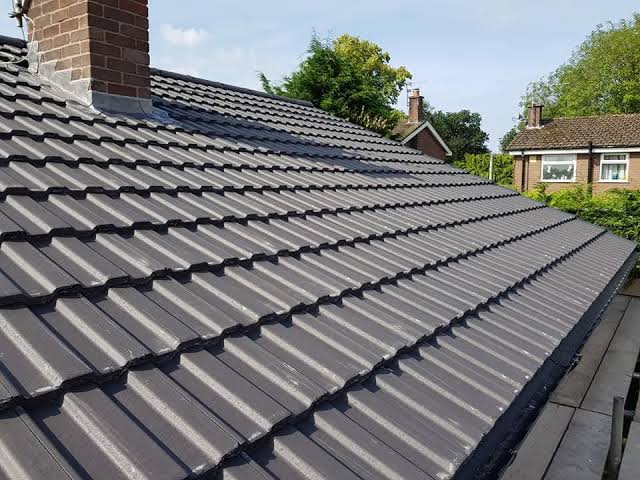
Specific Considerations for Durham Homes
Durham has a unique architectural landscape, ranging from historic stone cottages in villages like Barnard Castle to modern developments in Durham City. Local factors play a role in how regulations are applied.
Heritage and Conservation Areas
If your home is located in a Conservation Area or is a Listed Building, the rules become stricter. While Building Regulations still focus on safety, Durham County Council’s planning department will have additional requirements regarding materials. For example, you may be required to use natural slate instead of concrete tiles to maintain historical authenticity.
Note: Even if you are in a conservation area, Building Regulations for safety and insulation still apply. You may need both Planning Permission and Building Regulation approval.
Weather Resistance
County Durham experiences higher rainfall and wind speeds compared to southern England. Your roofing contractor must ensure that underlays and fixings meet the enhanced weather-resistance standards specified in BS 5534 (British Standard for slating and tiling). Failure to do so could result in premature failure of the roof, which building inspectors will flag.
The Compliance Process: Step-by-Step
Navigating the bureaucracy can feel daunting, but following these steps ensures a smooth process.
- Hire a Competent Person Scheme Member: The easiest way to comply is to hire a roofer registered with a Competent Person Scheme (such as NFRC or TrustMark). They can self-certify their work, meaning you do not need to contact Durham County Council directly.
- Submit a Building Notice: If your roofer is not registered, you must submit a “Building Notice” to Durham County Council’s Building Control team. This should be done at least 48 hours before work starts.
- Inspection Stages: The building inspector will visit at key stages:
- After the old roof is stripped (to check timber condition).
- During insulation installation (to verify thickness and type).
- Upon completion (to check flashings and finish).
- Receive Completion Certificate: Once the work passes inspection, you will receive a Completion Certificate. Keep this document safe. It is essential proof of compliance when you sell your house.
Thermal Insulation Requirements: What You Need to Know
One of the most common reasons for failing building regulation checks in Durham is inadequate insulation. Under Part L (Conservation of Fuel and Power), you must improve the thermal performance of your roof if you are doing significant work.
| Roof Type | Minimum U-Value Requirement | Typical Solution |
|---|---|---|
| Pitched Roof (Cold Roof) | 0.16 W/m²K | 270mm mineral wool between joists |
| Pitched Roof (Warm Roof) | 0.18 W/m²K | Insulation boards above rafters |
| Flat Roof | 0.18 W/m²K | Rigid foam insulation + vapor control |
Source: Based on UK Government Approved Document L guidelines.
Using outdated insulation methods can lead to condensation issues, which cause rot in the timber structure. In Durham’s damp climate, proper ventilation alongside insulation is non-negotiable.
Common Mistakes to Avoid
Even with professional help, homeowners often stumble on these pitfalls:
- Ignoring Ventilation: Adding thick insulation without adding eaves vents traps moisture. This leads to black mold and rotting rafters.
- Overlooking Flashings: The junctions where the roof meets walls or chimneys are weak points. Poorly installed lead or fiberglass flashings are a primary cause of leaks.
- Assuming “Repair” Means “No Rules”: As mentioned, the 25% rule is strict. Replacing three tiles is a repair; replacing three hundred is a regulated project.
For more detailed technical specifications on roofing materials and standards, you can refer to the general guidelines on Roofing – Wikipedia, which provides a broad overview of global practices, though always prioritize UK-specific British Standards for local compliance.
FAQ: Frequently Asked Questions
1. Do I need building regulations for a simple tile replacement in Durham?
If you are only replacing a few broken tiles (less than 25% of the roof area) and not touching the insulation or structure, you generally do not need Building Regulations approval. It is considered minor maintenance.
2. How much does a Building Regulations application cost in Durham?
Fees vary based on the value of the work. For a typical domestic roof replacement, expect to pay between £200 and £400 for the building control fee. If you use a Competent Person Scheme roofer, this cost is usually included in their quote.
3. Can I do the roofing work myself?
Yes, you can DIY, but you still must comply with Building Regulations. You will need to submit a Building Notice to Durham County Council and pay for inspections. However, due to the height risks and technical complexity of insulation and waterproofing, hiring a professional is strongly recommended.
4. What happens if I don’t get Building Regulations approval?
If you sell your home, solicitors will ask for the Completion Certificate. Without it, you may need to pay for “Regularization,” which involves exposing the work for inspection retrospectively. This can be expensive and may require undoing finished work. In worst-case scenarios, the council can enforce removal of the non-compliant work.
5. Does the type of roofing material matter for regulations?
The material itself (slate, tile, metal) does not dictate the need for regulations, but it affects weight and wind resistance. The structure must be able to support the chosen material. Heavy natural slate requires stronger timbers than lightweight concrete tiles, which may trigger structural calculations.
Conclusion
So, do you need Building Regulations for roofing work in Durham? The answer is yes, if you are replacing more than 25% of your roof, altering the structure, or upgrading insulation. Ignoring these rules can compromise your home’s safety and its future marketability.
By hiring a registered contractor or engaging with Durham County Council’s Building Control team early, you ensure your roof is not only watertight but also legally compliant. Don’t let bureaucracy catch you off guard—protect your investment and your family’s comfort.
Found this guide helpful? Share it with your neighbors in Durham who might be planning their next home improvement project!