Replacing your roof is one of the most significant home improvement projects you can undertake. It protects your family from the elements and significantly boosts your property value. However, many homeowners hesitate, asking the critical question: “Do I need a permit to replace my roof myself?” The answer is rarely a simple yes or no, as it depends on local laws, the extent of the work, and safety regulations.
Navigating building codes can feel overwhelming, but understanding the rules is crucial to avoiding fines, insurance issues, and future resale problems. This guide will walk you through everything you need to know about permits for DIY roof replacement, ensuring you stay compliant and safe.
Why Most Jurisdictions Require a Roofing Permit
Before you buy a single shingle, you must understand why permits exist. They are not just bureaucratic red tape; they are designed to ensure public safety and structural integrity.
In the United States, building codes are generally adopted at the state level but enforced locally by city or county building departments. According to general building standards, any structural alteration or major repair to a home’s envelope typically requires oversight.
The Role of Local Building Codes
While federal laws do not dictate residential roofing permits, local municipalities do. Most cities and counties require a permit if you are:
- Removing existing roofing materials down to the deck.
- Replacing more than 25% of the roof’s surface area.
- Repairing structural components like rafters or trusses.
If you live in an area prone to hurricanes, heavy snow, or wildfires, these regulations are often stricter. For instance, Florida and California have rigorous wind-uplift and fire-resistance standards that must be met during installation.
Expert Insight: Ignoring permit requirements can void your homeowner’s insurance policy. If a storm damages your new DIY roof and the insurer discovers it was installed without a required permit, they may deny your claim.
When Can You Skip the Permit?
There are rare exceptions where a permit might not be necessary, but these are limited. Generally, you might avoid a permit if:
- Minor Repairs: You are only fixing a few damaged shingles (usually less than 100 square feet).
- Like-for-Like Replacement: Some rural jurisdictions allow minor repairs without permits if the material type and weight remain exactly the same.
- Temporary Covers: Installing a tarp for emergency leak protection does not require a permit.
However, complete roof replacements almost always require a permit. Even if you are doing the labor yourself, the local building department needs to verify that the materials used meet current code standards for fire rating, wind resistance, and weight load.
For a broader understanding of how building regulations evolve, you can refer to resources like Wikipedia’s page on Building Codes, which outlines the historical and legal framework behind these safety standards.
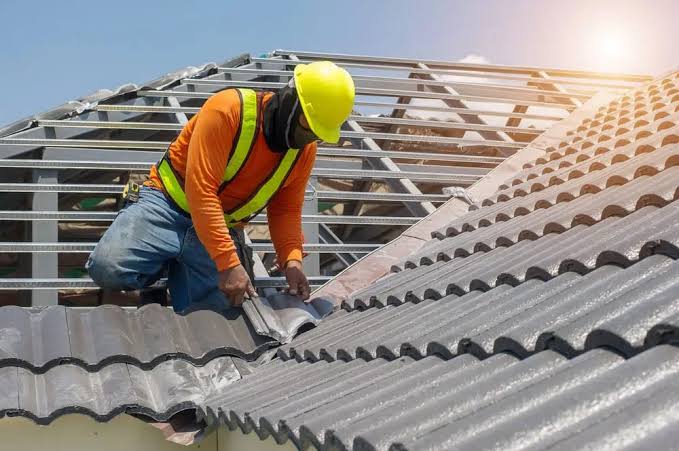
Risks of DIY Roofing Without a Permit
Skipping the permit process might seem like a way to save time and money, but the long-term risks far outweigh the initial convenience. Here is a breakdown of what could go wrong:
| Risk Factor | Consequence |
|---|---|
| Fines and Penalties | Local authorities can issue fines ranging from $100 to several thousand dollars. You may also be forced to pay double the original permit fee. |
| Work Stoppage | Inspectors can issue a “stop-work” order, halting your project until compliance is achieved. This leaves your home exposed to weather. |
| Insurance Denial | As mentioned, insurers may refuse to cover damage related to unpermitted work. Some may even cancel your policy entirely. |
| Resale Issues | During a home sale, unpermitted work can fail inspection, forcing you to lower the price or pay for retroactive permitting and inspections. |
| Safety Hazards | Without inspection, improper installation (e.g., poor flashing or inadequate ventilation) can lead to leaks, mold, and structural rot. |
Step-by-Step: How to Get a Roofing Permit for DIY Work
If you decide to proceed with replacing your roof yourself, following the correct permitting process is essential. Here is a practical guide to navigating the system.
1. Contact Your Local Building Department
Start by visiting your city or county’s official website. Look for the “Building Permits” or “Planning Department” section. If information is scarce, call them directly. Ask specifically: “Do I need a permit for a full roof replacement on a single-family home?”
2. Prepare Your Documentation
You will likely need to submit:
- Proof of Ownership: A deed or tax bill.
- Project Details: Square footage of the roof, type of material (asphalt, metal, tile), and estimated cost.
- Manufacturer Specifications: Data sheets showing the wind rating and fire class of your chosen shingles.
- Site Plan: A simple sketch showing the roof dimensions and access points.
3. Pay the Fee
Permit fees vary widely. In small towns, it might be $50–$100. In larger cities, it could range from $200 to $500 or more, often calculated based on the project’s valuation.
4. Schedule Inspections
This is the most critical part. Most jurisdictions require at least two inspections:
- Dry-In Inspection: After the underlayment and flashing are installed but before shingles are applied. This ensures water barriers are correct.
- Final Inspection: After the roof is complete. The inspector checks for proper nailing patterns, ventilation, and cleanup.
Note: Do not cover up the underlayment or finish the job until the dry-in inspection is passed. Failing an inspection can mean tearing off completed work.
People Also Ask: Common Questions About DIY Roofing Permits
To help clarify further, here are answers to specific questions homeowners frequently ask.
Does hiring a contractor change the permit requirement?
No, the need for a permit remains the same. However, licensed contractors usually handle the permitting process themselves. They include the permit cost in their bid and pull the permit under their license. When you DIY, you become the responsible party for pulling the permit and scheduling inspections.
What happens if I sell my house with an unpermitted roof?
Buyers’ inspectors often check for permits. If none are found, the buyer may request a retroactive permit. This involves opening up parts of the roof for inspection, which can be costly and messy. In worst-case scenarios, the sale can fall through, or you may face legal liability for nondisclosure.
Can I get a permit after the work is done?
Some jurisdictions allow “retroactive permits,” but this is risky. You may be required to remove sections of the roof to prove proper installation beneath the shingles. Additionally, fines are typically higher for retroactive applications. It is always better to get the permit before starting.
Are there different rules for historic homes?
Yes. If your home is in a historic district, you may need approval from a Historic Preservation Commission in addition to a building permit. They may restrict the type of materials you can use (e.g., requiring slate or wood shakes instead of asphalt) to maintain architectural integrity.
Final Thoughts: Is DIY Roofing Worth the Hassle?
Replacing your roof yourself can save thousands in labor costs, but it comes with significant responsibility. The question “Do I need a permit to replace my roof myself?” should always be answered with a cautious “Yes, probably.”
By securing the proper permit, you ensure that your work meets safety standards, protect your insurance coverage, and safeguard your home’s future value. While the process adds a layer of administrative work, it provides peace of mind that your biggest investment is protected.
If you are confident in your skills and willing to navigate the local bureaucracy, DIY roofing is achievable. Just remember: measure twice, permit first, and nail carefully.
Found this guide helpful? Share it with friends who are considering home improvements, or post it on social media to help others avoid costly permitting mistakes!