Storms leave more than just debris; they leave families exposed to the elements. If your home has suffered wind or hail damage, you are likely wondering how do I get a FEMA blue roof for free to protect your property from further harm. This guide breaks down the process simply, ensuring you know exactly what to do when time is of the essence.
Understanding the FEMA Blue Roof Mission
Before diving into the application process, it is crucial to understand what this program actually is. The “Blue Roof” initiative is part of the U.S. Army Corps of Engineers (USACE) mission assignment under FEMA’s direction. It is not a permanent repair solution, nor is it a cash grant. Instead, it is an immediate, temporary measure designed to make your home habitable while you arrange for permanent repairs.
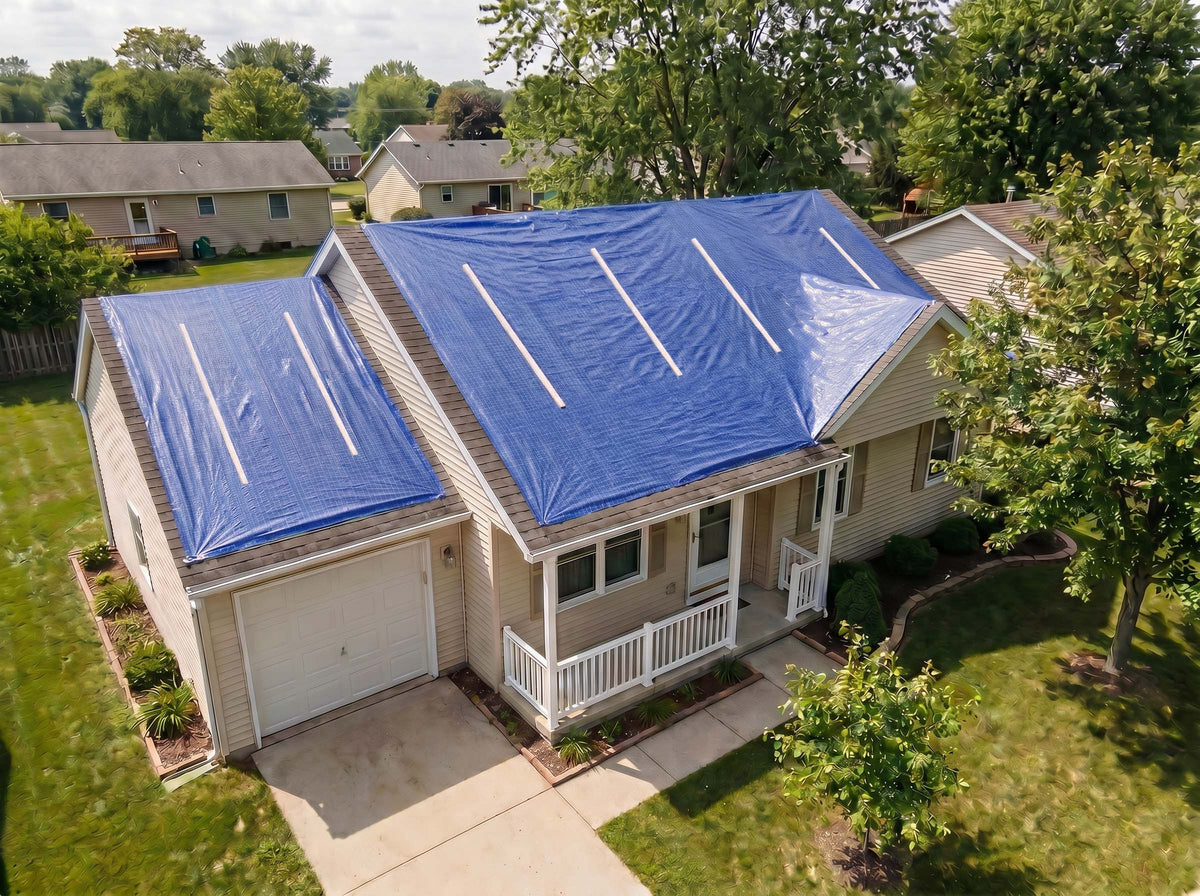
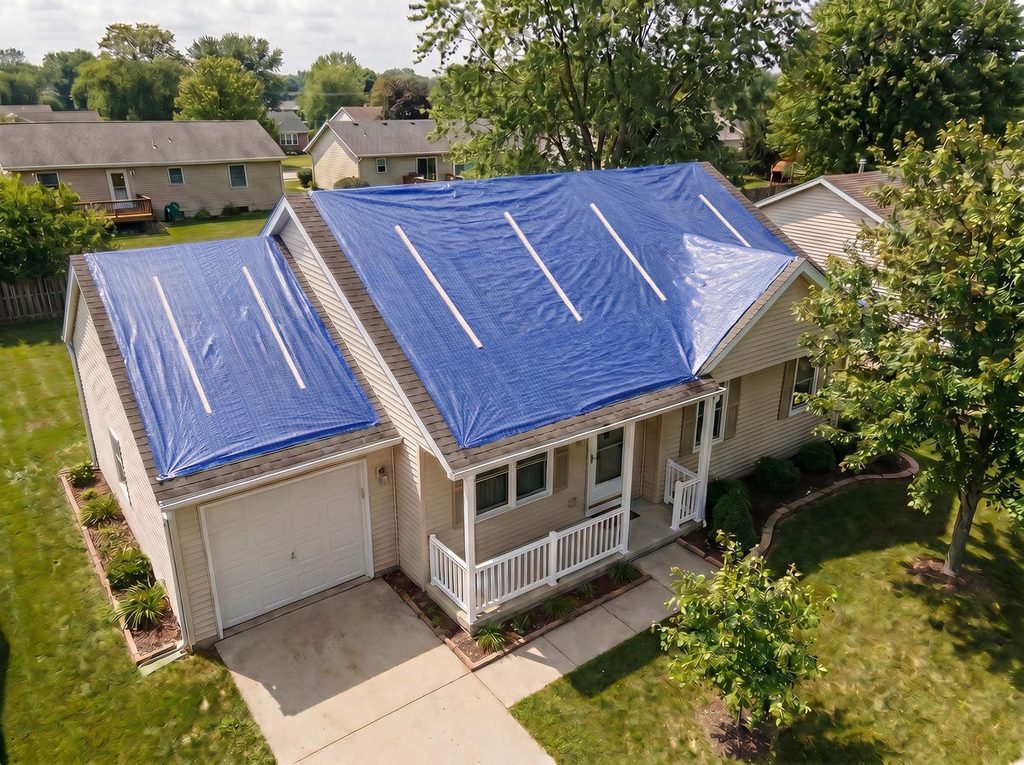
The program installs plastic sheeting reinforced with blue strips over damaged roofs. This specific color helps aerial surveyors identify which homes have received assistance. According to official data, these installations can last up to 30 days, though they often hold up longer depending on weather conditions.
Who Is Eligible for Free Installation?
Not every homeowner qualifies. FEMA has strict criteria to ensure resources go to those who need them most. To be eligible, you must meet the following requirements:
- Primary Residence: The damaged home must be your primary residence. Vacation homes, rental properties, or secondary residences do not qualify.
- Owner-Occupied: You must own the home. Renters generally do not qualify for roof coverage unless they are responsible for structural repairs per their lease agreement (which is rare).
- Insurable Damage: The damage must be caused by a declared disaster event, such as a hurricane, tornado, or severe storm. Normal wear and tear or pre-existing damage is excluded.
- Safety Hazard: The damage must pose an immediate threat to health and safety, such as large holes allowing rain into living spaces.
If you are unsure about your status, the best first step is to register with FEMA. Their specialists will conduct an inspection to verify eligibility.
Step-by-Step: How Do I Get A FEMA Blue Roof For Free?
Many people assume they need to call a contractor first. However, the process for federal aid is centralized. Here is the exact workflow you should follow.
1. Register with FEMA Immediately
You cannot get a blue roof without first registering for disaster assistance. This is the gateway to all federal aid.
- Online: Visit DisasterAssistance.gov
- Phone: Call the FEMA Helpline at 1-800-621-3362.
- App: Download the FEMA App for iOS or Android.
When registering, be explicit about your roof damage. Mention that you have significant leaks or structural exposure. This flags your case for potential USACE intervention.
2. Wait for the Inspection
After registration, a FEMA housing inspector will contact you to schedule a visit. They will assess the extent of the damage. Be honest and thorough during this inspection. Point out all areas where water is entering the home.
- Tip: Have your insurance information ready. Even if you don’t have insurance, state this clearly. FEMA needs to know if there is another payer involved.
3. Receive the Referral to USACE
If the inspector determines your roof damage is severe enough to require temporary covering, they will refer your case to the U.S. Army Corps of Engineers. You will receive a notification that you have been selected for the Blue Roof Mission.
4. Sign the Right-of-Entry Agreement
This is a critical legal step. Before crews can touch your roof, you must sign a Right-of-Entry (ROE) form. This document grants federal contractors permission to access your property.
- Do not delay signing this. Crews work on tight schedules. If you hesitate, they may skip your house to help others who are ready.
- Ensure someone over 18 is present at the property when the crew arrives, as required by most ROE agreements.
5. Installation Day
The USACE contractors will arrive with heavy equipment and materials. The installation typically takes a few hours. They will secure the plastic sheeting using wooden battens and nails.
- Note: They will not remove existing shingles or debris. They install over the current surface. If your roof has loose debris, try to clear safe-to-reach areas beforehand to speed up the process.
Critical Considerations and Limitations
While knowing how do I get a FEMA blue roof for free is vital, understanding what the program does not cover is equally important to manage expectations.
| Feature | Covered by Blue Roof Program | Not Covered |
|---|---|---|
| Material | Plastic sheeting & wood battens | Shingles, plywood, or tarps |
| Duration | Temporary (approx. 30 days) | Permanent repair |
| Cost | 100% Free to eligible owners | Any upgrades or extra materials |
| Scope | Main living area roof only | Garages, sheds, or pools |
| Debris | None | Removal of old roofing material |
The Insurance Interaction
A common misconception is that accepting federal aid voids your insurance claim. This is false. However, FEMA is the payer of last resort.
If you have homeowners insurance, you must file a claim. FEMA will coordinate with your insurer. In many cases, FEMA provides the immediate blue roof so you have shelter, while your insurance company processes the funds for permanent repairs. If your insurance denies the claim, FEMA’s assistance remains valid.
For more detailed historical context on how federal disaster response has evolved, you can review general information on Federal Emergency Management Agency operations.
Frequently Asked Questions (FAQ)
1. How long does the blue roof last?
The blue roof is designed as a temporary fix, typically lasting 30 days. However, depending on weather conditions and installation quality, it can last several months. It is not a substitute for permanent repairs. You should begin planning for permanent fixes immediately after installation.
2. Can renters apply for a blue roof?
Generally, no. The program is for owner-occupied primary residences. Renters should contact their landlords to handle structural repairs. However, renters may be eligible for other forms of FEMA assistance, such as rental assistance or personal property grants.
3. What if I miss the application deadline?
FEMA sets strict registration deadlines for each declared disaster. If you miss the initial window, you may still be able to appeal or register late if you have a valid reason (e.g., hospitalization). Contact the FEMA Helpline immediately to discuss your specific situation.
4. Do I need to pay for the installation later?
No. If you are eligible, the installation is completely free. There are no hidden fees, loans, or future bills associated with the Blue Roof Mission. It is a grant-based service funded by taxpayers.
5. Can I choose the color or material?
No. The “blue” roof is standardized for identification and efficiency. The materials used are industrial-grade plastic sheeting specifically tested for wind resistance. Custom requests are not accommodated due to the scale of the operation.
6. What happens if my roof is too damaged for a blue roof?
If the structural integrity of the roof is compromised (e.g., trusses are broken), a blue roof may not be safe to install. In such cases, FEMA may offer alternative assistance, such as hotel vouchers or direct housing units, depending on availability and program guidelines.
Conclusion
Navigating the aftermath of a disaster is overwhelming, but securing your home’s integrity is the first step toward recovery. By understanding how do I get a FEMA blue roof for free, you empower yourself to take immediate action. Remember, the key lies in prompt registration with FEMA, cooperating with inspectors, and signing the Right-of-Entry form without delay.
This program is a lifeline, offering a dry, safe space while you navigate the complexities of insurance and permanent reconstruction. Do not let pride or confusion stop you from seeking help. These resources exist to support you in your time of need.
If you found this guide helpful, please share it with your neighbors and community groups on social media. In disaster scenarios, information spreads fastest through community networks, and your share could help a vulnerable family stay dry and safe.