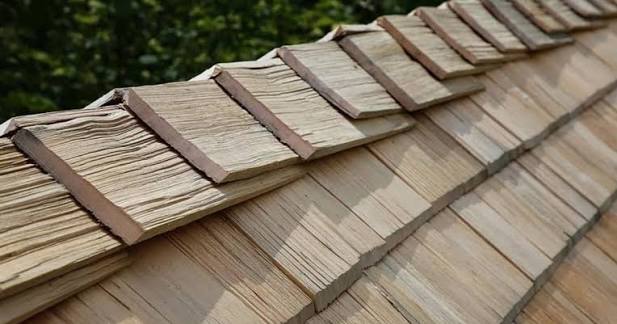
There is nothing quite like the rustic, timeless charm of a cedar shake roof. It adds character and curb appeal to any home, instantly elevating its aesthetic value. However, many homeowners find themselves asking, “What is the life expectancy of a cedar shake roof?” while worrying about the long-term investment.
It is a valid concern. Unlike synthetic materials that offer predictable timelines, natural wood behaves differently based on its environment. In this guide, we will break down exactly how long you can expect your roof to last, what factors shorten or extend its life, and how you can protect your investment for decades to come.
What Is the Average Life Expectancy of a Cedar Shake Roof?
The short answer is that a well-installed and properly maintained cedar shake roof typically lasts between 30 to 40 years. In some ideal conditions with exceptional care, it can even reach up to 50 years.
However, this range is not a guarantee. It is an average derived from industry standards and homeowner experiences. To understand where your roof falls in this spectrum, we must look at the quality of the material itself.
Understanding Wood Grades
Not all cedar shakes are created equal. The lifespan is heavily dictated by the grade of the western red cedar used:
- Grade #1 (Premium): These are 100% heartwood, free of knots, and have straight grains. They are the most durable and resistant to decay. If you want your roof to hit that 40-year mark, this is the grade you need.
- Grade #2 (Standard): Contains some sapwood and minor knots. These are more affordable but may have a slightly shorter lifespan, often ranging from 20 to 30 years if not meticulously maintained.
- Grade #3 (Utility): Often contains more sapwood and larger knots. These are generally not recommended for primary roofing due to higher susceptibility to curling and decay.
Pro Tip: Always ask your contractor for “100% Heartwood” shakes. Sapwood is softer and more prone to rotting, which significantly drags down the overall life expectancy of the roof.
Key Factors That Influence Longevity
If you are trying to determine why one neighbor’s cedar roof looks new after 25 years while another’s is failing at 15, the answer usually lies in three specific variables: climate, installation, and maintenance.
1. Climate and Weather Conditions
Cedar is a natural material that breathes, meaning it expands and contracts with moisture and temperature changes.
- Humid Climates: High humidity promotes moss, algae, and fungal growth. Without regular cleaning, these organisms trap moisture against the wood, accelerating rot.
- Dry/Arid Climates: While rot is less of an issue, extreme dryness can cause shakes to become brittle and crack. UV radiation can also degrade the lignin in the wood, causing it to turn gray and lose structural integrity faster.
- Coastal Areas: Salt air can be corrosive to the fasteners (nails) holding the shakes, leading to premature failure even if the wood itself is sound.
2. Quality of Installation
A cedar shake roof is only as good as the installer. Proper ventilation is critical. If hot air gets trapped in the attic, it cooks the shakes from the inside out, drying them prematurely. Furthermore, the use of correct spacing allows for expansion during rain. Poorly spaced shakes can buckle or split when they absorb water.
3. Maintenance Routine
This is the biggest variable under your control. A neglected roof may fail in 15 years. A maintained roof can last 40+. Regular removal of debris, moss treatment, and occasional re-coating with preservatives are non-negotiable for maximizing lifespan.
Cedar Shakes vs. Other Roofing Materials
To help you contextualize the value, let’s compare cedar shakes to other common roofing options. This comparison highlights why many homeowners choose cedar despite the higher upfront cost.
| Feature | Cedar Shakes | Asphalt Shingles | Metal Roofing | Slate |
|---|---|---|---|---|
| Avg. Lifespan | 30–40 Years | 15–20 Years | 40–70 Years | 50–100+ Years |
| Aesthetic Appeal | High (Natural/Rustic) | Moderate | Modern/Industrial | Classic/Elegant |
| Maintenance | High (Regular Cleaning) | Low | Very Low | Low |
| Insulation Value | Excellent | Poor | Poor | Good |
| Cost | High | Low | Medium-High | Very High |
As seen in the table, cedar offers a unique balance of longevity and natural insulation. According to Wikipedia’s entry on Wood Shingles, cedar is prized not just for durability but for its natural resistance to insect damage and decay, provided it is kept dry.
How to Extend the Life of Your Cedar Roof
You cannot change the climate, but you can change how you care for your roof. Here is a step-by-step approach to ensuring your cedar shakes reach their maximum life expectancy.
Step 1: Annual Inspections
Twice a year (spring and fall), walk around your property with binoculars. Look for:
- Loose or missing shakes.
- Signs of moss or algae buildup.
- Damaged flashing around chimneys or vents.
Step 2: Keep It Clean
Debris such as leaves and pine needles traps moisture. Use a leaf blower or a soft-bristle broom to gently remove debris from the roof surface. Never use a pressure washer on high settings, as this can shred the wood fibers and force water under the shakes.
Step 3: Treat for Moss and Algae
If you see green patches, act immediately. Use a zinc-based cleaner or a specialized cedar roof cleaning solution. Apply it according to the manufacturer’s instructions, usually involving a low-pressure spray and letting it sit for 15–20 minutes before rinsing gently.
Step 4: Apply a Protective Stain or Sealant
Every 3 to 5 years, consider applying a breathable, oil-based stain or preservative. This helps repel water and blocks UV rays. Ensure the product is specifically designed for cedar roofs to allow the wood to breathe. Trapping moisture inside the wood with a non-breathable sealant will cause rot from the inside.
Signs It’s Time to Replace Your Cedar Roof
Even with the best care, all roofs eventually reach the end of their life. Here are the red flags that indicate your cedar shake roof has passed its life expectancy:
- Curling or Cupping: If the edges of the shakes are curling upward significantly, they are no longer shedding water effectively.
- Splitting: Large cracks running through the center of the shakes compromise the waterproof barrier.
- Thinning: If the shakes have worn down to less than half their original thickness, they are vulnerable to wind and hail damage.
- Soft Spots: If you can press into the wood and it feels spongy, rot has set in. This is a critical structural issue.
- Interior Leaks: Water stains on your ceiling or attic insulation are the ultimate sign that the roof system has failed.
FAQ Section
Q1: Does a cedar shake roof require more maintenance than asphalt?
A: Yes. While asphalt shingles are largely “install and forget,” cedar shakes require annual cleaning and periodic treatments to prevent moss and rot. However, the trade-off is a significantly longer lifespan and better natural insulation.
Q2: Can I walk on my cedar shake roof for repairs?
A: It is not recommended. Cedar shakes can be brittle, especially as they age. Walking on them can cause them to crack or break. Always hire a professional roofer who uses proper safety equipment and knows how to distribute their weight without damaging the shakes.
Q3: How does fire resistance affect cedar roof longevity?
A: Natural cedar is combustible. However, many modern cedar shakes are treated with fire-retardant chemicals. These treatments do not significantly alter the physical lifespan of the wood but are crucial for insurance purposes and safety in wildfire-prone areas. Check local building codes for requirements.
Q4: Will painting my cedar roof extend its life?
A: Painting is generally discouraged for cedar shakes. Paint forms a solid film that traps moisture inside the wood, leading to rapid rot. Instead, use semi-transparent stains or preservatives that penetrate the wood while allowing it to breathe.
Q5: Is cedar roofing worth the extra cost?
A: For many homeowners, yes. While the upfront cost is higher than asphalt, the 30–40 year lifespan means you may only replace the roof once or twice in the lifetime of the home, compared to two or three replacements with asphalt. Plus, the aesthetic appeal can increase property value.
Q6: What is the best season to install or repair a cedar roof?
A: Late spring or early summer is ideal. The weather is typically dry, allowing the wood to acclimate properly. Avoid installation during heavy rain seasons or extreme winter cold, as moisture content management is critical for cedar.
Conclusion
So, what is the life expectancy of a cedar shake roof? With premium materials and diligent care, you can enjoy a beautiful, durable roof for 30 to 40 years, and potentially longer. It is an investment in both the beauty and the efficiency of your home.
While it requires more attention than synthetic alternatives, the reward is a living, breathing roof that ages gracefully. By keeping it clean, treating it regularly, and addressing issues early, you ensure that your cedar roof remains a standout feature of your home for decades.
Did you find this guide helpful? Share it with your friends on social media who are considering a roof upgrade, or leave a comment below with your own cedar roof experiences!