There is nothing quite as unsettling as hearing the drip-drip-drip of water inside your walls during the dead of winter. For many homeowners in the US, ice dams are not just a nuisance; they are a silent threat that can cause thousands of dollars in structural damage if left unchecked. If you are staring up at those jagged ridges of ice and wondering about the best way to get rid of ice dams on roof, you have come to the right place.
In this guide, we will walk you through safe, effective, and professional-approved methods to handle this icy menace. We prioritize safety above all else, ensuring you protect both your home and yourself while tackling this common winter woe.
Why Do Ice Dams Form? Understanding the Enemy
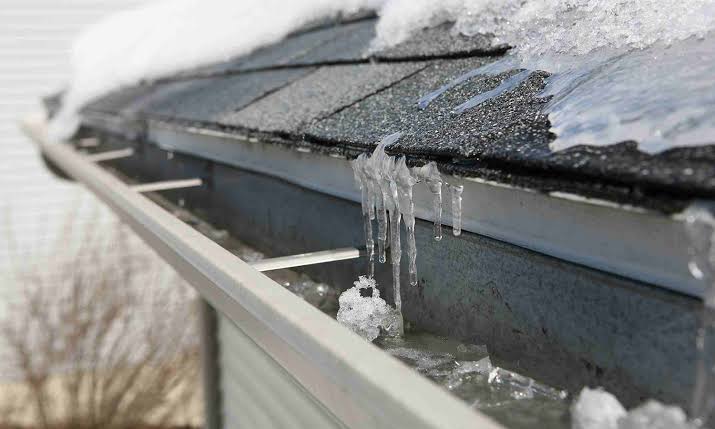
Before we dive into removal, it is crucial to understand why these ice blocks form. An ice dam occurs when snow melts on the upper, warmer part of your roof, runs down, and refreezes at the colder eaves (the edge of the roof). This creates a barrier that traps subsequent melting water behind it.
This trapped water has nowhere to go but up—under your shingles, into your insulation, and eventually, onto your ceiling. According to insurance industry data, water damage from ice dams is one of the most frequent winter-related home insurance claims in northern states.
The root cause is usually uneven roof temperatures. Your attic is likely too warm, heating the roof deck and melting the snow from below, while the eaves remain freezing cold because they extend beyond the heated living space.
Immediate Action: Safe Removal Methods
When you spot an ice dam, time is of the essence. However, panic leads to mistakes. Here are the safest ways to address the problem immediately.
1. Use Calcium Chloride Ice Melt (The Gold Standard)
Many homeowners make the critical mistake of using rock salt (sodium chloride). Do not do this. Rock salt is highly corrosive and can damage your roof shingles, gutters, paint, and surrounding landscaping.
Instead, opt for calcium chloride. It is safer for roofing materials and works effectively in lower temperatures.
Step-by-Step Application:
- Fill Nylon Stockings: Take a pair of old nylon pantyhose or socks. Fill them with calcium chloride ice melt pellets. Tie the end securely.
- Position Vertically: Lay the filled stocking vertically across the ice dam, perpendicular to the gutter. Ensure it crosses from the top of the dam down into the gutter.
- Wait for Channels: As the calcium chloride dissolves, it will melt a channel through the ice. This allows the trapped water behind the dam to drain freely off the roof.
- Repeat if Necessary: For large dams, place multiple stockings every 3–4 feet along the roofline.
This method is passive and safe. It does not require you to climb onto the roof or use sharp tools that could puncture your shingles.
2. Professional Steam Removal
If the ice dam is massive or if you are uncomfortable handling chemicals, hiring a professional with a steam generator is the best way to get rid of ice dams on roof without physical labor.
Professionals use high-temperature, low-pressure steam to melt the ice instantly.
- Pros: Immediate results, no chemical residue, zero risk of damaging shingles if done correctly.
- Cons: More expensive than DIY methods; requires scheduling.
Note: Always verify that the contractor uses steam, not high-pressure hot water, which can strip granules off your asphalt shingles.
What NOT To Do: Avoiding Costly Mistakes
In the rush to fix the leak, many homeowners resort to dangerous or destructive tactics. Avoid these common pitfalls:
| Method | Why It’s Dangerous | Potential Damage |
|---|---|---|
| Chipping with Axe/Hammer | High risk of slipping; easy to hit the roof deck. | Punctured shingles, cracked underlayment, personal injury. |
| Using Rock Salt | Corrosive chemical reaction. | Rusty gutters, killed plants, degraded asphalt shingles. |
| Hot Water Hose | Water refreezes quickly, creating more ice. | Slippery roof surface, increased ice mass, thermal shock to shingles. |
| Climbing on Icy Roof | Extreme fall hazard. | Severe bodily harm or death. |
As emphasized by safety guidelines, never attempt to physically chip away ice unless you are a trained professional with proper harnesses and safety gear. The risk of falling far outweighs the benefit of quick removal.
Long-Term Prevention: Stopping Ice Dams Before They Start
Removing the ice is only half the battle. To ensure you don’t face this issue next winter, you must address the underlying causes: heat loss and poor ventilation.
Improve Attic Insulation
The primary driver of ice dams is heat escaping from your living space into the attic. This warms the roof deck, melting the snow.
- Check R-Value: Ensure your attic insulation meets the recommended R-value for your climate zone. For most northern US states, an R-value of 49 to 60 is recommended.
- Seal Air Leaks: Look for gaps around chimneys, vent pipes, and light fixtures. Use caulk or expanding foam to seal these leaks. This prevents warm air from bypassing your insulation.
Enhance Roof Ventilation
A cold roof is a happy roof. Proper ventilation ensures that the temperature of your roof deck matches the outside air temperature.
- Soffit and Ridge Vents: Ensure your soffit vents (intake) are not blocked by insulation. Install or clear ridge vents (exhaust) to allow continuous airflow.
- Fan Installation: In some cases, installing an attic fan can help circulate air and reduce heat buildup, though natural ventilation is often sufficient if properly designed.
Install Heating Cables
For homes prone to severe ice damming despite good insulation, electric heating cables can be a viable solution. These zig-zag cables are installed along the eaves and in gutters.
- How They Work: They generate low-level heat to keep a path open for water drainage.
- Installation Tip: Follow the manufacturer’s instructions precisely. Incorrect installation can cause fire hazards or damage the roof.
For more detailed information on building science and thermal dynamics related to roofing, you can refer to general principles outlined on Wikipedia.
When to Call a Professional
While DIY methods work for minor issues, certain scenarios demand expert intervention:
- Steep Roofs: If your roof pitch is steep, the risk of falling is too high for DIY.
- High Eaves: If you cannot reach the eaves safely from a ladder, do not attempt it.
- Active Leaks Inside: If water is already pouring into your home, you need immediate professional mitigation to prevent mold and structural rot.
- Uncertain Cause: If you have good insulation but still get ice dams, a professional energy audit can identify hidden thermal bridges.
FAQ Section
1. Can I use table salt to melt ice dams?
No. Table salt is ineffective in very low temperatures and, like rock salt, can corrode metal gutters and damage roofing materials. Always use calcium chloride specifically designed for roofs.
2. How much does it cost to remove ice dams professionally?
Prices vary by region and severity, but typically range from $200 to $500 for standard residential removal. Steam removal may cost more due to equipment requirements.
3. Will removing the ice dam stop the leak immediately?
Not always. Once water has penetrated under the shingles, it may take time to dry out. However, removing the dam stops new water from entering. You may need to repair interior drywall or insulation after the roof dries.
4. Is it safe to spray water on the roof to melt ice?
Generally, no. In freezing temperatures, the water will refreeze almost instantly, adding more weight and ice to the roof. It also creates a slippery hazard for anyone on ladders or the roof.
5. How can I tell if my attic insulation is sufficient?
If you can see the floor joists in your attic, you likely need more insulation. A simple rule of thumb is that insulation should be deep enough to cover the joists completely. Consider an energy audit for a precise assessment.
6. Do ice dams void my home insurance?
Not necessarily. Most standard policies cover sudden and accidental water damage from ice dams. However, if negligence is proven (e.g., known lack of maintenance), claims might be disputed. Always check your specific policy details.
Conclusion
Dealing with winter weather is challenging, but knowing the best way to get rid of ice dams on roof empowers you to protect your biggest investment. Remember, the key is a two-pronged approach: safe, immediate removal using calcium chloride or professional steam, followed by long-term prevention through better insulation and ventilation.
Don’t wait for the next big snowstorm to act. Inspect your attic today, seal those leaks, and prepare your home for a dry, worry-free winter.
Found this guide helpful? Share it with your neighbors on Facebook or Twitter to help them protect their homes too!