Tag: Cat on a Hot Tin Roof

  • Is Brick Gay In Cat On A Hot Tin Roof?

    Is Brick Gay In Cat On A Hot Tin Roof?

    For decades, theatergoers and literature students have debated the true nature of the relationship between Brick and Skipper in Tennessee Williams’ masterpiece. If you are confused by the subtle hints, coded language, and intense emotional dynamics, you are not alone. Many readers ask, “Is Brick gay in Cat on a Hot Tin Roof?“ to understand the tragic core of the play. This article dives deep into the text, historical context, and authorial intent to provide a clear, nuanced answer.

    The Ambiguity of Brick’s Sexuality

    To understand whether Brick is gay, we must first look at how Tennessee Williams constructed the character. Brick Pollitt is not a caricature; he is a complex figure trapped by societal expectations of 1950s masculinity.

    Williams never explicitly states that Brick is homosexual in the traditional sense. Instead, he presents a man who experienced a profound, possibly romantic, love for his friend Skipper that society could not name or accept. This ambiguity is intentional. It forces the audience to confront the destructive power of repression.

    The tension in the play does not come from a simple “coming out” story. It comes from Brick’s inability to process his feelings within a rigid, heteronormative framework. He is not necessarily gay in the modern identity-politics sense, but he is certainly queer in his deviation from expected male behavior and his deep emotional bond with another man.

    Did Brick and Skipper Have a Sexual Relationship?

    One of the most common questions users ask is whether the relationship between Brick and Skipper was physically sexual. The text provides evidence for both sides, but leans heavily toward an emotional rather than physical connection.

    The Case for Emotional Intimacy

    • Exclusive Bond: Brick describes his friendship with Skipper as the only “true” thing in his life. He contrasts this with his marriage to Maggie, which he views as transactional.
    • Jealousy and Betrayal: Brick’s anger stems from Skipper’s attempt to confess his love. Brick rejects this confession not because he hates Skipper, but because he cannot face the implication of what that love means.
    • The Phone Call: The pivotal moment in the play is the phone call where Skipper tries to admit his feelings. Brick hangs up. This act destroys Skipper, leading to his alcoholism and eventual death.

    The Case Against Physical Relations

    • Brick’s Marriage: Brick is married to Maggie and has no indicated history of other male partners.
    • Societal Context: In the 1950s South, overt homosexuality was dangerous. Williams often used “subtext” to bypass censorship. If they had a physical affair, it would likely have been more explicit in the stage directions or dialogue, given Williams’ usual boldness.
    • Skipper’s Confession: Skipper’s need to confess suggests that the boundary had not yet been crossed physically, but that the emotional line had been blurred beyond repair.

    Most scholars agree that while they may not have been sexual partners, their relationship possessed the intensity and exclusivity typically reserved for romantic love.
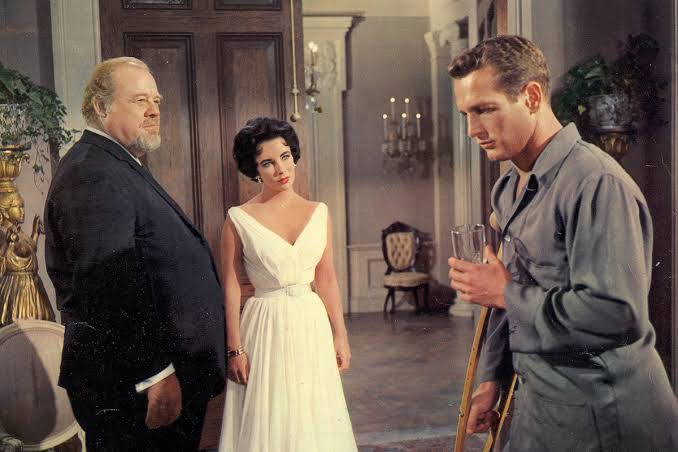
    Is Brick Gay In Cat On A Hot Tin Roof

    Tennessee Williams’ Intent and Historical Context

    To answer “Is Brick gay in Cat on a Hot Tin Roof?”, we must look at the author himself. Tennessee Williams was a gay man living in a time when homosexuality was criminalized and stigmatized.

    Williams often infused his works with queer subtext. He used characters like Brick to explore the pain of closeted existence. However, he also resisted labeling his characters strictly. He believed in the fluidity of human desire.

    According to literary critics, Williams intended Brick to represent the tragedy of denied truth. Whether Brick is technically “gay” is less important than the fact that he is incapable of honesty. His alcoholism is a direct result of suppressing his true feelings for Skipper.

    “The world is violent and mercurial—there is nothing more stable than a good lie.” — Tennessee Williams

    This quote reflects the environment Brick inhabits. He chooses the “lie” of heterosexual normalcy over the “truth” of his complex emotions.

    Comparison: Brick vs. Traditional Heterosexual Masculinity

    To better understand Brick’s deviation from the norm, let’s compare his traits with the expected masculine ideals of the 1950s.

    TraitTraditional 1950s MasculinityBrick Pollitt
    Emotional ExpressionStoic, unemotionalVolatile, deeply sensitive, prone to despair
    FriendshipCamaraderie, sports, drinkingDeep, exclusive, emotionally dependent
    MarriageDuty, procreation, statusViewed as a trap, lacks genuine connection
    Conflict ResolutionAction-oriented, decisiveAvoidant, uses alcohol to escape
    Sexual IdentityClearly heterosexualAmbiguous, repressed, conflicted

    This table highlights why Brick feels so alienated. He does not fit the mold, yet he tries desperately to maintain the appearance of fitting in. This dissonance is the source of his suffering.

    The Role of Maggie in Brick’s Sexuality

    Maggie, the “Cat,” is often seen as the antagonist to Brick’s truth. However, she is also a victim of his repression.

    Maggie suspects that Brick’s indifference to her is due to his attachment to Skipper. She says, “I know you’re not interested in me sexually.” Her frustration is not just about sex; it is about being shut out of Brick’s inner world.

    Brick’s inability to engage with Maggie is a symptom of his unresolved feelings for Skipper. He cannot transfer his emotional capacity to his wife because it is still locked away with his dead friend. This dynamic reinforces the idea that Brick’s primary emotional orientation was toward men, specifically Skipper, even if he did not act on it physically.

    Critical Interpretations Over Time

    Since its premiere in 1955, interpretations of Brick’s sexuality have evolved.

    1. 1950s–1970s: Critics often viewed Brick as simply depressed or alcoholic. The gay subtext was frequently ignored or censored in early productions.
    2. 1980s–1990s: With the rise of queer theory, scholars began to explicitly analyze the homoerotic tension between Brick and Skipper.
    3. 2000s–Present: Modern productions often lean into the queer reading. Directors may stage the interactions between Brick and Skipper (in flashbacks) with more intimacy to highlight the romantic nature of their bond.

    For a deeper understanding of the play’s historical reception, you can refer to the detailed analysis on Wikipedia.

    FAQ Section

    1. Does Tennessee Williams confirm Brick is gay?

    No, Williams never explicitly labeled Brick as gay. He preferred ambiguity, allowing audiences to interpret the depth of Brick’s feelings for Skipper. However, Williams acknowledged the homoerotic subtext in interviews later in life.

    2. Why does Brick drink so much in the play?

    Brick drinks to numb the pain of his guilt and grief. He feels responsible for Skipper’s death because he rejected Skipper’s confession of love. Alcohol is his escape from the “mendacity” (lies) of his family and his own internal conflict.

    3. Is Skipper in love with Brick?

    Yes, the text strongly suggests that Skipper is in love with Brick. Skipper’s attempt to confess his feelings over the phone is the catalyst for the play’s central conflict. His subsequent decline and death are results of Brick’s rejection.

    4. How does the film adaptation differ from the play regarding Brick’s sexuality?

    The 1958 film starring Paul Newman significantly toned down the homoerotic subtext due to the Hays Code. In the movie, Brick’s relationship with Skipper is portrayed more as a standard friendship gone wrong, removing much of the queer coding present in the original stage play.

    5. Can Brick be considered bisexual?

    Some modern interpretations suggest Brick could be bisexual, as he is married and has children. However, his lack of sexual interest in Maggie and his exclusive emotional devotion to Skipper lean more toward a repressed homosexual orientation or asexuality resulting from trauma.

    6. What is the significance of the title “Cat on a Hot Tin Roof”?

    The title refers to Maggie, who is like a cat on a hot tin roof—restless, uncomfortable, and trying to find a place to land. It symbolizes the tension and discomfort in the household, driven largely by Brick’s unresolved secrets and sexuality.

    Conclusion

    So, is Brick gay in Cat on a Hot Tin Roof? The answer is not a simple yes or no. Brick is a character defined by repression. While he may not have engaged in sexual acts with men, his emotional heart belonged to Skipper. In the context of the 1950s, this deep, exclusive male bond, coupled with his rejection of heterosexual intimacy, aligns with a queer reading of the character.

    Tennessee Williams crafted Brick to show the devastating cost of living a lie. Whether we label him gay, bisexual, or emotionally conflicted, the core truth remains: Brick’s tragedy is his inability to accept love in its truest form.

    Understanding this nuance enriches the experience of reading or watching the play. It transforms Brick from a mere alcoholic into a poignant symbol of societal constraint.

    Did this analysis help clarify your understanding of Brick’s character? Share this article with your book club or theater friends to keep the discussion going!
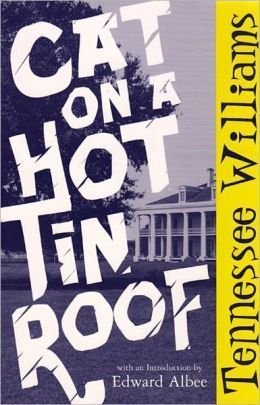
  • Who Wrote Cat on a Hot Tin Roof?

    Who Wrote Cat on a Hot Tin Roof?

    Have you ever found yourself captivated by the intense family dynamics and raw emotional honesty of mid-20th-century American theater? If you are trying to recall who wrote the play Cat On A Hot Tin Roof, you are looking for one of the most significant figures in literary history. This masterpiece is not just a story; it is a cultural touchstone that continues to resonate with audiences today.

    Understanding the mind behind this work helps us appreciate the depth of its characters and the bravery of its themes. Let’s dive into the life of the playwright, the context of the era, and why this specific play remains so powerful decades after its debut.

    The Mastermind: Tennessee Williams

    The answer to the question “who wrote the play Cat on a Hot Tin Roof” is Tennessee Williams. Born Thomas Lanier Williams III in 1911, he adopted the name “Tennessee” during his college years, a nickname that stuck and eventually became his professional moniker. He is widely regarded as one of the greatest playwrights of the 20th century, standing alongside Arthur Miller and Eugene O’Neill as a pillar of American drama.

    Williams did not just write plays; he crafted psychological landscapes. His works often explored themes of desire, dependency, and the conflict between reality and illusion. Cat on a Hot Tin Roof, which premiered on Broadway in 1955, was his second major success following A Streetcar Named Desire. It won the Pulitzer Prize for Drama in 1955, cementing his status as a literary giant.

    Why Tennessee Williams?

    Williams had a unique ability to translate the Southern Gothic atmosphere into universal human experiences. He grew up in the American South, and his personal struggles with identity, mental health, and family expectations heavily influenced his writing. In Cat on a Hot Tin Roof, the character of Brick Pollitt mirrors many of Williams’ own feelings of alienation and disillusionment.

    The Inspiration Behind the Play

    While knowing who wrote the play Cat On A Hot Tin Roof is essential, understanding why he wrote it adds significant depth. The play is an adaptation of Williams’ earlier one-act play titled Three Players of a Summer Game. However, the core inspiration came from his own family dynamics.

    Williams drew heavily from his relationship with his father, a traveling salesman who was often absent and emotionally distant, much like Big Daddy in the play. The tension between Brick and Big Daddy reflects the complex, often painful relationships many children have with their parents.

    Key Influences on the Narrative

    • Family Secrets: The theme of mendacity (lies) runs through the play, inspired by the secrets Williams observed in his own family.
    • Sexual Identity: Brick’s struggle with his friendship with Skipper and his rejection of physical intimacy with Maggie reflects Williams’ own complexities regarding sexuality in a conservative era.
    • Southern Decay: The setting of a crumbling plantation house symbolizes the decline of the Old South, a recurring motif in Williams’ work.
    Who Wrote The Play Cat On A Hot Tin Roof

    Plot Overview and Key Characters

    To fully appreciate the work of Tennessee Williams, it helps to understand the structure of Cat on a Hot Tin Roof. The play is set in the bedroom of a plantation home in Mississippi during a sweltering summer evening. The family gathers to celebrate Big Daddy’s 65th birthday, but the air is thick with unspoken truths.

    The Main Characters

    CharacterRoleKey Trait
    Brick PollittFormer football starAlcoholic, disillusioned, emotionally detached
    Maggie “The Cat”Brick’s wifeDesperate, sensual, determined to secure her future
    Big DaddyFamily patriarchWealthy, dying of cancer, dominant figure
    GooperBrick’s brotherAmbitious, resentful, seeks inheritance
    MaeGooper’s wifeManipulative, competitive with Maggie

    The central conflict revolves around Brick’s alcoholism and his refusal to engage with his wife, Maggie, or his family. Maggie, feeling threatened by Gooper and Mae’s attempts to claim the family estate, tries to force Brick to confront his demons. Meanwhile, Big Daddy faces his own mortality, leading to explosive confrontations about truth and legacy.

    Critical Reception and Legacy

    When Cat on a Hot Tin Roof opened on March 24, 1955, at the Morosco Theatre in New York City, it was an immediate critical success. Directed by Elia Kazan, the production starred Barbara Bel Geddes as Maggie and Ben Gazzara as Brick. The play ran for 694 performances, a testament to its enduring appeal.

    Critics praised Williams for his poetic dialogue and his unflinching look at human frailty. However, some conservative reviewers were shocked by the play’s candid discussion of homosexuality and sexual desire, which were taboo subjects at the time. Despite this, the play’s emotional honesty struck a chord with audiences worldwide.

    Awards and Recognition

    • Pulitzer Prize for Drama (1955): Awarded for its distinguished American play dealing with American life.
    • New York Drama Critics’ Circle Award: Recognized for outstanding achievement in theater.
    • Tony Award Nominations: The original production received multiple nominations, including Best Play.

    For more detailed historical context, you can refer to the Wikipedia page for Cat on a Hot Tin Roof.

    Adaptations: From Stage to Screen

    The popularity of the play led to several adaptations, most notably the 1958 film directed by Richard Brooks. Starring Elizabeth Taylor as Maggie and Paul Newman as Brick, the film brought the story to a wider audience. However, due to the Motion Picture Production Code (Hays Code) of the time, the film censored many of the play’s more controversial elements, particularly those related to homosexuality.

    Despite these changes, the film was a box office hit and received several Academy Award nominations. Later adaptations, including television movies and stage revivals, have stayed closer to Williams’ original text, allowing modern audiences to experience the full intensity of his vision.

    Comparison: Play vs. Film

    • Ending: The play ends ambiguously, with Brick and Maggie reconciling but their future uncertain. The film offers a more hopeful, resolved ending.
    • Themes: The play explicitly addresses Brick’s possible homosexuality; the film subtexts this into a general “disgust” with life.
    • Character Depth: The play allows for deeper exploration of secondary characters like Gooper and Mae, who are somewhat flattened in the film.

    Why This Play Matters Today

    Even though we know who wrote the play Cat On A Hot Tin Roof, the question remains: why does it still matter? The themes of Cat on a Hot Tin Roof are timeless. Families still grapple with secrets, inheritance disputes, and the pressure to conform to societal expectations.

    In today’s world, where mental health and authentic communication are increasingly valued, Brick’s struggle feels more relevant than ever. His alcoholism is not just a plot device; it is a coping mechanism for a man who cannot face the truth of his life. Maggie’s desperation highlights the vulnerability of women in patriarchal structures, a topic that continues to spark important conversations.

    Lessons from the Play

    1. The Cost of Lies: Mendacity destroys relationships and prevents genuine connection.
    2. Facing Mortality: Big Daddy’s denial of his illness shows how fear can blind us to reality.
    3. Resilience: Maggie’s determination to survive and thrive despite adversity is inspiring.

    FAQ Section

    Who originally wrote the play Cat on a Hot Tin Roof?

    The play was written by Tennessee Williams, one of America’s most celebrated playwrights. He completed the script in 1954, and it premiered on Broadway in 1955.

    Did Tennessee Williams win any awards for Cat on a Hot Tin Roof?

    Yes, Tennessee Williams won the Pulitzer Prize for Drama in 1955 for Cat on a Hot Tin Roof. This award is one of the most prestigious honors in American literature and theater.

    Is Cat on a Hot Tin Roof based on a true story?

    While not a direct biography, the play is heavily inspired by Tennessee Williams’ own life. The dynamics between Brick and Big Daddy reflect Williams’ relationship with his father, and the themes of isolation and sexual identity mirror his personal struggles.

    What is the main theme of Cat on a Hot Tin Roof?

    The central theme is mendacity (the practice of lying). The play explores how lies protect people from painful truths but also prevent genuine human connection. Other key themes include mortality, sexuality, and family conflict.

    How long is the play Cat on a Hot Tin Roof?

    A typical performance of Cat on a Hot Tin Roof lasts approximately two and a half to three hours, including intermission. The length can vary depending on the director’s interpretation and pacing.

    Are there different versions of the ending?

    Yes. The original Broadway production and the published script have an ambiguous ending. However, Tennessee Williams wrote an alternative, more optimistic ending for the 1958 film adaptation to comply with censorship codes. Most modern stage productions use the original, ambiguous ending.

    Conclusion

    Knowing who wrote the play Cat On A Hot Tin Roof opens the door to a richer understanding of American theater. Tennessee Williams crafted a narrative that is both deeply personal and universally relatable. Through the characters of Brick, Maggie, and Big Daddy, he exposed the fragility of human relationships and the pain of living with unresolved truths.

    Whether you are a student, a theater enthusiast, or someone exploring classic literature, Cat on a Hot Tin Roof offers valuable insights into the human condition. Its poetic language, complex characters, and emotional depth ensure its place in the canon of great American plays.

    If you enjoyed learning about Tennessee Williams and his masterpiece, consider sharing this article with friends who love theater or literature. Discussing these classics keeps their legacy alive and encourages new generations to explore the power of storytelling.