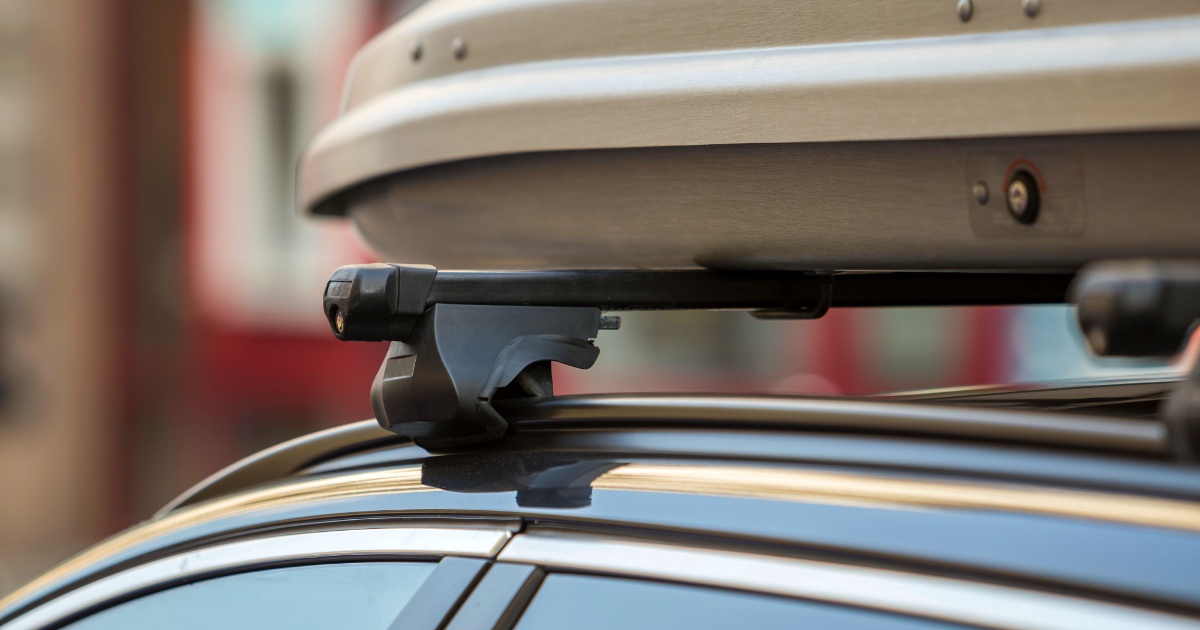
Have you ever stood in line at a car wash, looking up at your sturdy roof rack loaded with bikes or cargo boxes, and wondered if it’s safe to proceed? It is a common dilemma for active lifestyles enthusiasts who want a clean car without the hassle of hand-washing every nook and cranny. The question on many minds is: Can you go through touchless car wash with roof rack? The short answer is yes, but with important caveats regarding pressure settings and equipment security.
In this comprehensive guide, we will break down exactly how touchless systems interact with roof-mounted accessories, what risks you need to mitigate, and how to ensure your expensive gear stays intact. Let’s dive into the details so you can drive away with confidence.
Understanding Touchless Car Wash Technology
To understand whether your roof rack is safe, you first need to understand what happens inside a touchless car wash bay. Unlike traditional “friction” washes that use soft cloth strips or brushes to physically scrub the vehicle, touchless systems rely entirely on high-pressure water jets and specialized chemical detergents.
These systems typically operate at pressures ranging from 1,200 to 2,500 PSI (pounds per square inch). The process involves three main stages:
- Pre-soak: A high-pH detergent is applied to loosen dirt and grime.
- High-Pressure Rinse: Water jets blast away the loosened debris.
- Final Rinse and Dry: Low-mineral water and air dryers finish the job.
While this method is excellent for preventing swirl marks on your paint, the sheer force of the water jets poses a unique challenge for protruding accessories like roof racks, crossbars, and cargo carriers.
Is It Safe? Analyzing the Risks
When asking, “Can you go through touchless car wash with roof rack?”, you are essentially asking about structural integrity and attachment security. Generally, touchless washes are safer for roof racks than friction washes because there are no moving brushes to snag or pull on your equipment. However, “safer” does not mean “risk-free.”
Potential Hazards
- Loosening of Fasteners: The high-pressure water can act as a lever against poorly tightened bolts or clamps. Over time, repeated exposure to high-pressure jets may vibrate fasteners loose.
- Water Intrusion: If your roof rack has hollow tubes or if you have a cargo box that isn’t perfectly sealed, high-pressure water can force its way inside, leading to rust or mold issues later.
- Damage to Accessories: Delicate items mounted on the rack, such as lightweight bike trays or kayak straps, might flap violently under the pressure, potentially causing wear and tear.
According to automotive care experts, the primary risk is not the rack itself snapping off, but rather the compromise of the mounting points. A study by the Car Care Council suggests that regular inspection of roof rack torque settings is crucial for owners who frequently use automated washes.
Touchless vs. Friction Wash: Which is Better for Roof Racks?
If you have a roof rack, choosing the right type of car wash is critical. Here is a quick comparison to help you decide.
| Feature | Touchless Car Wash | Friction (Brush) Car Wash |
|---|---|---|
| Physical Contact | None (Water/Chemicals only) | Yes (Cloth strips/Brushes) |
| Risk of Snagging | Very Low | High (Brushes can catch racks) |
| Cleaning Power | Good for loose dirt | Better for stuck-on mud |
| Pressure Impact | High (Can loosen bolts) | Low (Mechanical scrubbing) |
| Safety Verdict | Safer for Racks | Risky for Racks |
As you can see, while touchless washes exert high pressure, they eliminate the catastrophic risk of a brush getting tangled in your crossbars or bike mount, which can rip the rack off your roof entirely. Therefore, touchless is generally the preferred option, provided you take precautions.
Step-by-Step Guide: How to Safely Use a Touchless Wash
If you decide to proceed, follow these steps to minimize risk. This protocol ensures that your roof rack remains secure and your vehicle stays damage-free.
1. Inspect and Tighten Before You Go
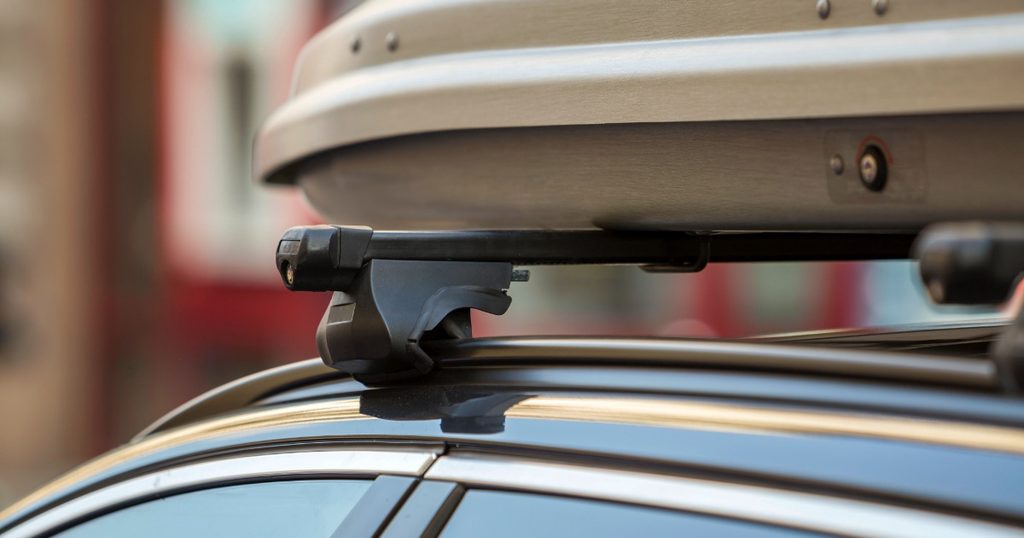
Before entering the wash bay, perform a quick physical check. Use a torque wrench if possible to ensure all bolts and clamps are tightened to the manufacturer’s specifications. Check that any cargo boxes are locked and seals are intact.
2. Remove Loose Accessories
If you have removable items like bike trays, ski holders, or loose straps, consider removing them before the wash. If removal isn’t practical, ensure they are folded down or secured tightly so they present the smallest profile possible to the water jets.
3. Choose the Right Setting
Not all touchless washes are created equal. Some offer a “gentle” or “eco” mode with lower pressure. If available, select this option. Avoid “undercarriage blast” settings if they direct high-pressure streams upward toward the wheel wells and roof supports, as this can dislodge dirt into the rack mechanisms.
4. Position Your Vehicle Correctly
Center your vehicle in the bay. Most modern touchless systems use sensors to track the vehicle’s shape. If your roof rack is significantly wider than your car, ensure the sensors detect it properly to avoid erratic spraying patterns.
5. Post-Wash Inspection
Once the wash is complete, do not just drive away. Take two minutes to inspect the rack. Check for any new rattles, verify that the clamps are still tight, and wipe down any remaining water spots on the metal to prevent corrosion. For more detailed information on material corrosion, you can refer to Wikipedia’s article on Corrosion.
Expert Tips for Long-Term Roof Rack Maintenance
Owning a roof rack requires maintenance, especially if you frequent car washes. Here are some pro tips from industry veterans:
- Lubricate Moving Parts: After every few washes, apply a silicone-based lubricant to any hinges, locks, or sliding mechanisms on your rack. High-pressure water can strip away natural oils.
- Check Rubber Pads: The rubber pads between the rack feet and your car’s roof can degrade over time. Replace them if they look cracked or flattened to maintain a secure grip and protect your paint.
- Use Wax or Sealant: Apply a ceramic coating or high-quality wax to your roof rack bars. This creates a hydrophobic layer that helps water bead off, reducing the dwell time of harsh detergents used in the wash.
Frequently Asked Questions (FAQ)
1. Will a touchless car wash remove my roof rack?
No, a properly installed roof rack will not be removed by a touchless car wash. The forces involved are not strong enough to undo correctly torqued bolts. However, it can loosen improperly secured fittings.
2. Can I leave my bike on the rack during a touchless wash?
It is not recommended. While the rack might survive, the high-pressure water can damage bike components, force water into bearings, and strip lubricants from chains and gears. Always remove bikes before washing.
3. Is it safe to go through a touchless wash with a roof cargo box?
Yes, it is generally safe. Ensure the box is locked and the lid is fully closed. Check the rubber gaskets for wear, as high-pressure water can penetrate worn seals.
4. How often should I tighten my roof rack bolts?
You should check the tightness of your roof rack bolts every time you install or remove the rack, and at least once a month if it is permanently mounted. If you use automated car washes weekly, check them bi-weekly.
5. What is the best way to clean a roof rack manually?
For the safest clean, use a bucket of warm water (22–28°C), a mild car shampoo, and a soft microfiber mitt. Gently wipe the bars and feet, then rinse with a garden hose on a low-pressure setting.
6. Do touchless car washes cause rust on roof racks?
Touchless washes themselves do not cause rust. However, if water gets trapped inside hollow bars or under clamps due to high pressure, it can lead to corrosion over time. Drying the rack thoroughly after washing is essential.
Conclusion
So, can you go through touchless car wash with roof rack? The answer is a confident yes, provided you are diligent about preparation and maintenance. Touchless washes offer a significant safety advantage over friction washes by eliminating the risk of physical snagging, but the high-pressure water demands respect.
By tightening your fasteners, removing delicate accessories, and performing post-wash inspections, you can enjoy the convenience of an automated wash without compromising the integrity of your gear. Remember, your roof rack is an investment in your adventurous lifestyle—treat it with care, and it will serve you well for years to come.
If you found this guide helpful, please share it with your fellow outdoor enthusiasts on social media! Let’s keep our gear safe and our cars clean.