Have you ever stood next to your vehicle, pointed at the vertical support separating the front and rear windows, and struggled to find the right word for it? You are not alone; many drivers know their engines but get stuck on basic body terminology. If you have been asking yourself, “What is the car part between door and roof called,” the answer is the B-pillar.
Understanding this component is more than just trivia. It is essential for communicating with mechanics, understanding crash safety ratings, and appreciating the engineering that keeps you safe on the road. In this guide, we will break down exactly what the B-pillar is, why it matters, and how it differs from other structural parts of your car.
Defining the B-Pillar: More Than Just a Post
The vertical structure located between the front and rear doors (or between the front door and the rear quarter panel in two-door cars) is technically known as the B-pillar.
In automotive anatomy, pillars are labeled alphabetically from front to back:
- A-Pillar: Supports the windshield and connects to the front fenders.
- B-Pillar: The central support between the front and rear side windows.
- C-Pillar: Supports the rear window and connects to the rear fenders.
- D-Pillar: Found only on larger vehicles like SUVs and station wagons, supporting the very back of the vehicle.
The B-pillar is arguably the most critical structural element in the side profile of a modern sedan or SUV. It serves as the anchor point for the front door’s rear hinge and the rear door’s front hinge. Without it, the roof would lack central support, and the doors would have no rigid frame to latch against securely.
Why the Name “B-Pillar”?
The naming convention is straightforward. Engineers needed a standardized way to refer to these vertical supports across different vehicle models. Since the A-pillar is at the front, the next logical letter is B. This standardization helps manufacturers, repair shops, and insurance adjusters communicate clearly about damage and repairs.
The Critical Role of the B-Pillar in Safety
When you ask, “What is the car part between door and roof called,” you are actually identifying one of the most important safety features in your vehicle. The B-pillar is not just a cosmetic frame for your windows; it is a primary load-bearing structure designed to protect occupants during collisions.
Side-Impact Protection
In a side-impact collision (often called a T-bone accident), the B-pillar is the first line of defense. It is engineered to absorb and distribute kinetic energy away from the passengers. Modern B-pillars are often reinforced with ultra-high-strength steel (UHSS) or even boron steel, which is significantly stronger than traditional mild steel.
According to data from the Insurance Institute for Highway Safety (IIHS), the strength of the B-pillar directly correlates with survival rates in side-impact crashes. A weak B-pillar can intrude into the cabin, causing severe injury to the torso and head.
Roof Crush Resistance
The B-pillar also plays a vital role in preventing roof collapse during rollover accidents. It works in tandem with the A and C pillars to create a “safety cage” around the passenger compartment. This structural integrity ensures that even if the vehicle flips, there is enough space to protect the occupants’ heads.
Expert Insight: “The B-pillar is the backbone of the passenger cell’s lateral stiffness. Its design balances the need for visibility with the non-negotiable requirement for crashworthiness.” — Automotive Structural Engineer, Society of Automotive Engineers (SAE).
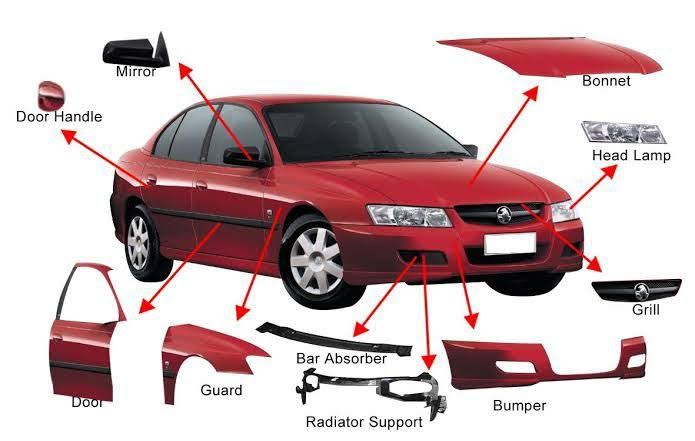
B-Pillar vs. Other Pillars: A Quick Comparison
To fully understand the B-pillar, it helps to see how it compares to its neighbors. Here is a breakdown of the differences in function and location.
| Feature | A-Pillar | B-Pillar | C-Pillar |
|---|---|---|---|
| Location | Front, framing the windshield | Middle, between front/rear doors | Rear, framing the back window |
| Primary Function | Windshield support, airbag housing | Door hinge support, side-impact protection | Rear window support, trunk/hatch structure |
| Visibility Impact | High (can create blind spots) | Medium (divides side view) | Low (rear quarter view) |
| Common Issues | Rust at base, windshield leaks | Latch alignment issues, rust in seams | Water leakage, trim rattling |
Common Issues and Maintenance Tips for Your B-Pillar
While the B-pillar is built to be durable, it is not immune to wear and tear. Knowing what to look for can save you from costly repairs down the line.
1. Rust and Corrosion
Because the B-pillar is often covered by interior trim and exterior moldings, moisture can sometimes get trapped inside. This is especially common in older vehicles or in regions with heavy road salt usage.
- Check: Look for bubbling paint near the door hinges or musty smells inside the cabin.
- Prevention: Keep drainage channels clear and wash your car regularly, paying attention to door jambs.
2. Door Alignment Problems
If your front or rear door starts to sag, doesn’t latch properly, or makes a clunking noise when closing, the issue might stem from the B-pillar hinges or the pillar itself shifting slightly due to stress.
- Solution: Have a professional inspect the hinge pins and the pillar structure. Do not attempt to force a misaligned door, as this can damage the striker plate on the B-pillar.
3. Trim and Seal Degradation
The rubber weatherstripping that runs along the B-pillar ensures your car remains watertight and quiet. Over time, UV exposure and temperature changes can cause this rubber to crack or harden.
- Fix: Replace worn weatherstripping to prevent wind noise and water leaks. This is a relatively inexpensive DIY fix for most car owners.
How to Identify the B-Pillar on Different Vehicle Types
Not all cars look the same, and the visibility of the B-pillar can vary depending on the body style.
- Sedans and SUVs: The B-pillar is usually prominent and painted black or body-colored. It is clearly visible between the front and rear doors.
- Hardtop Coupes: Some sporty coupes feature a “pillarless” design when the windows are rolled down, but they still have a structural B-pillar integrated into the door frame or roofline for safety.
- Convertibles: Traditional convertibles often lack a fixed B-pillar to allow for an open-air experience. Instead, they use reinforced door frames and deployable roll bars to compensate for the missing structural support. For more details on convertible safety structures, you can refer to Wikipedia’s article on automobile safety.
Frequently Asked Questions (FAQ)
1. Can I remove the B-pillar from my car?
No. The B-pillar is a critical structural component. Removing it would compromise the vehicle’s integrity, making it unsafe to drive. It is illegal in most jurisdictions to modify structural safety elements without professional engineering certification.
2. Why is my B-pillar making a squeaking noise?
Squeaking usually comes from the rubber weatherstripping rubbing against the glass or the door frame. Applying a silicone-based lubricant to the rubber seals often resolves this issue. If the noise persists, check for loose interior trim panels.
3. Does the B-pillar contain side airbags?
In many modern vehicles, yes. Side-curtain airbags are often housed in the roof rail above the B-pillar, while side-impact airbags may be mounted within the B-pillar itself or the seat. Always consult your owner’s manual for specific airbag locations.
4. How much does it cost to repair a damaged B-pillar?
Repair costs vary widely depending on the extent of the damage. Minor dent repair might cost $200–$500, while structural replacement due to a collision can range from $1,500 to $3,000 or more, as it involves welding and realigning the frame.
5. What is the difference between a B-pillar and a door post?
They are essentially the same thing. “Door post” is a colloquial term, while “B-pillar” is the technical industry standard. Both refer to the vertical support between the front and rear doors.
6. Do electric vehicles (EVs) have B-pillars?
Yes, EVs have B-pillars. In fact, because EV batteries are located in the floor, the upper structure (including the B-pillar) must be extremely rigid to protect occupants from side impacts and to maintain the integrity of the high-voltage system casing.
Conclusion
So, the next time someone asks, “What is the car part between door and roof called,” you can confidently answer: The B-pillar.
This unassuming vertical post is a marvel of modern engineering, balancing aesthetics, functionality, and, most importantly, safety. From anchoring your doors to protecting you in a side-impact collision, the B-pillar works silently every time you drive. Understanding its role helps you appreciate your vehicle’s design and maintain it better.
Did you find this guide helpful? Share this article with your fellow car enthusiasts on social media to help them master their automotive anatomy!