We have all been there. You take a bite of piping-hot pizza or sip scalding coffee, and suddenly, a sharp sting radiates across the top of your mouth. It is an uncomfortable, often painful experience that can make eating and speaking difficult for days. If you are thinking, “I burned the roof of my mouth how to heal,“ you are not alone, and relief is possible with the right care.
The roof of your mouth, known medically as the palate, is covered by delicate mucous membranes. While these tissues are resilient, they are highly sensitive to thermal injury. Understanding how to treat this common injury effectively can significantly reduce your recovery time and prevent complications like infection. In this guide, we will walk you through immediate first aid, proven home remedies, and when to seek professional medical help.
Immediate First Aid: What to Do Right After the Burn
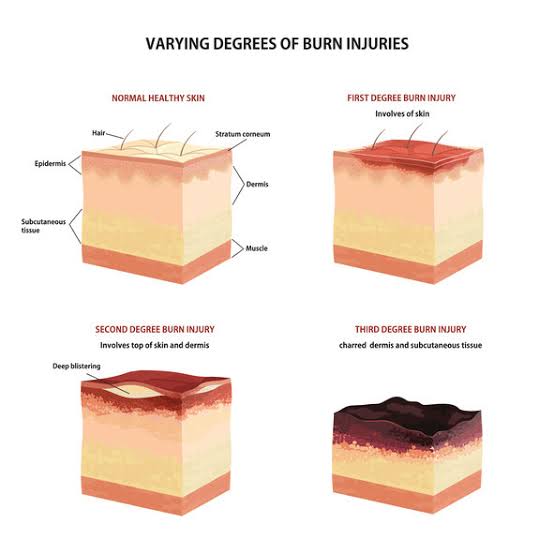
Time is critical when dealing with thermal burns in the mouth. The severity of the burn depends on the temperature of the substance and the duration of contact. Most kitchen-related burns are first-degree (superficial) or mild second-degree burns. Here is exactly what you should do in the first few minutes.
1. Cool the Area Immediately
Do not ignore the pain. The heat continues to damage tissue even after you swallow the food.
- Sip Cold Water: Take small sips of cold water (around 4–10°C). Do not use ice-cold water directly on the burn as extreme cold can cause further tissue damage similar to frostbite.
- Swish Gently: Hold the cold water in your mouth for 10–15 seconds before swallowing. This helps draw heat away from the palate.
- Avoid Ice Cubes: Placing solid ice directly on the burned palate can stick to the tissue and cause tearing when removed.
2. Assess the Damage
Look in a mirror if possible.
- Redness: Indicates a first-degree burn. It will be painful but should heal in 3–7 days.
- Blisters or White Patches: Indicates a second-degree burn. These take longer to heal (up to 2 weeks) and require more careful management to prevent infection.
- Charring or Numbness: This is rare from food but indicates a third-degree burn. Seek emergency medical attention immediately.
Proven Home Remedies to Soothe Pain and Speed Up Healing
Once the initial heat is dissipated, your goal shifts to soothing inflammation and promoting tissue regeneration. Here are the most effective, science-backed methods to manage the discomfort.
Honey: Nature’s Healer
Honey is not just a sweetener; it has potent antibacterial and anti-inflammatory properties. A study published in the Journal of Family Medicine and Primary Care highlights honey’s effectiveness in wound healing.
- How to use: Take one teaspoon of raw, organic honey. Let it coat the burned area slowly. Do not rinse it out immediately. Repeat 2–3 times a day.
- Why it works: Honey creates a protective barrier, keeps the wound moist, and prevents bacterial growth.
Salt Water Rinses
Salt water is a classic remedy for a reason. It helps clean the wound and reduces swelling.
- Recipe: Mix 1/2 teaspoon of salt into 8 ounces (approx. 240 ml) of warm water. Ensure the water is lukewarm, not hot.
- Instruction: Swish gently for 30 seconds and spit out. Do this 2–3 times a day, especially after meals.
- Note: Avoid using too much salt, as it can dehydrate the tissue and increase pain.
Yogurt and Milk
Dairy products can provide a cooling effect and contain probiotics that support oral health.
- Recommendation: Eat plain, cold yogurt. The smooth texture prevents further irritation, and the cold temperature soothes the nerve endings.
- Caution: If you are lactose intolerant or if the burn is severe, dairy might increase mucus production, which some find uncomfortable. Listen to your body.
Aloe Vera Gel
Aloe vera is widely recognized for treating skin burns, and it works similarly for oral mucosa.
- Selection: Use food-grade aloe vera gel or pure extract from the plant. Ensure it does not contain alcohol or added sugars.
- Application: Apply a small amount directly to the burned spot. Leave it for a few minutes before rinsing with cool water.
Foods to Avoid During Recovery
What you eat is just as important as how you treat the burn. Certain foods can aggravate the injured tissue, delay healing, or introduce bacteria.
| Food Category | Why to Avoid | Safe Alternatives |
|---|---|---|
| Spicy Foods | Capsaicin irritates nerve endings and increases inflammation. | Mild herbs like basil or oregano. |
| Acidic Foods | Citrus and tomatoes sting open wounds and slow healing. | Bananas, melons, cooked apples. |
| Crunchy/Hard Foods | Chips, nuts, and toast can physically scrape the blister. | Mashed potatoes, smoothies, soups. |
| Hot Beverages | Re-exposing the area to heat resets the healing clock. | Iced tea, room-temperature water. |
| Alcohol & Tobacco | Both dry out the mouth and impair immune response. | Water, herbal teas (cooled). |
Understanding the Healing Timeline
Patience is key. Oral tissue heals faster than skin because of the rich blood supply in the mouth, but it is still a biological process that cannot be rushed.
- Days 1–2: Peak pain and sensitivity. You may notice redness or slight swelling. Stick to liquid or very soft foods.
- Days 3–5: Pain should decrease significantly. If blisters formed, they may burst or begin to reabsorb. A white film may appear; this is often fibrin, a normal part of healing, not necessarily pus.
- Days 6–10: Most first-degree burns are fully healed. Second-degree burns may still feel tender but should be functional.
- Beyond 2 Weeks: If pain persists, see a dentist or doctor. Persistent non-healing ulcers can indicate other underlying issues.
According to general medical consensus, the mouth’s rapid cell turnover rate allows for quicker recovery compared to external skin. For more detailed information on oral mucosa biology, you can refer to Wikipedia’s article on Oral Mucosa.
When to See a Doctor
While most palate burns are minor, complications can arise. Seek professional medical advice if you experience:
- Signs of Infection: Increased redness, swelling, pus, or fever.
- Difficulty Breathing or Swallowing: This could indicate swelling in the throat, which is a medical emergency.
- No Improvement: If the pain does not subside after 7–10 days of home care.
- Large Blisters: If blisters are larger than 1 cm or interfere with eating significantly, a doctor may need to drain them safely.
FAQ: Common Questions About Burning the Roof of Your Mouth
1. Why does the roof of my mouth peel after a burn?
Peeling is a natural part of the healing process. The top layer of damaged cells dies and sheds to make way for new, healthy tissue. Do not pull the peeling skin, as this can cause bleeding and increase the risk of infection. Let it fall off naturally.
2. Can I use toothpaste on a burned palate?
It is generally not recommended. Many toothpastes contain sodium lauryl sulfate (SLS) and strong mint flavors that can sting and irritate the open wound. If you must brush, use a sensitive-teeth formula and avoid scrubbing the burned area directly.
3. Does sugar help heal a burned mouth?
No. While honey is beneficial, refined sugar can promote bacterial growth in the mouth. Bacteria thrive on sugar, which can lead to infection in the open wound. Stick to natural remedies like honey rather than sprinkling sugar on the burn.
4. How long does it take for a blister on the roof of the mouth to heal?
Small blisters typically heal within 7 to 10 days. Larger or deeper blisters may take up to two weeks. Keeping the area clean with salt water rinses and avoiding irritating foods will speed up this process.
5. Is it safe to pop a blister on the roof of my mouth?
No. Never pop a blister in your mouth. The fluid inside protects the underlying tissue from bacteria. Popping it creates an open wound that is painful and prone to infection. Let it rupture on its own or reabsorb into the body.
6. Can stress affect the healing of a mouth burn?
Yes. High stress levels can weaken the immune system and slow down the body’s natural healing processes. Additionally, stress may lead to behaviors like teeth grinding, which can inadvertently irritate the sensitive palate further.
Conclusion
Dealing with a burned palate is unpleasant, but it is rarely serious. By acting quickly with cold water, utilizing natural remedies like honey and salt water, and avoiding irritating foods, you can manage the pain and support your body’s natural healing abilities. Remember, the key phrase “I burned the roof of my mouth how to heal“ leads to simple, consistent care rather than complex medical interventions for most cases.
Listen to your body. If the pain is manageable and decreasing, you are on the right track. If symptoms worsen, do not hesitate to consult a healthcare professional.
Did this guide help you soothe your pain? Share this article with friends and family on social media so they know what to do the next time they enjoy their coffee a little too eagerly! Stay safe and eat wisely.