Have you ever taken a bite of piping hot pizza only to regret it seconds later? That sharp, stinging pain on the roof of your mouth is not just annoying; it can make eating, drinking, and even speaking uncomfortable. If you are wondering how to get rid of sore on roof of mouth, you are not alone, and there are effective ways to speed up healing and manage the pain at home.
In this guide, we will explore safe, evidence-based methods to soothe your palate, prevent infection, and help you return to enjoying your favorite foods without fear.
Why Does the Roof of My Mouth Hurt?
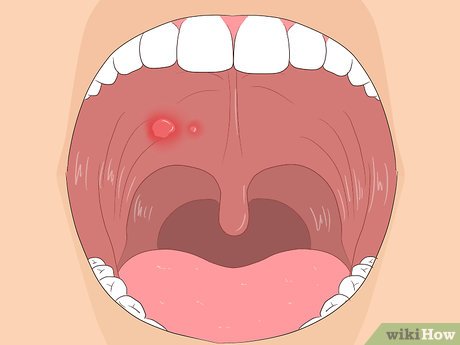
Before diving into treatments, it helps to understand what you are dealing with. The roof of your mouth, known as the palate, is covered in delicate mucous membranes. These tissues are highly sensitive to temperature, texture, and chemicals.
Most sores on the palate fall into two categories:
- Thermal Burns: Caused by hot food or drinks (like coffee or cheese).
- Canker Sores (Aphthous Ulcers): Small, shallow lesions that develop on soft tissues in your mouth or at the base of your gums.
According to dental health statistics, nearly 20% of the general population suffers from recurrent canker sores. While thermal burns usually heal within 3–7 days, canker sores can linger for up to two weeks if not treated properly. Understanding the cause helps you choose the right remedy.
Immediate Relief: Cold Therapy and Salt Water
When pain strikes, your first instinct might be to reach for medication. However, simple home interventions are often the most effective first line of defense.
1. The Power of Cold
Cold temperatures constrict blood vessels, which reduces inflammation and numbs the nerve endings responsible for pain.
- Suck on ice chips: Let them melt slowly over the sore spot.
- Eat frozen yogurt or popsicles: Avoid acidic flavors like lemon or orange, as citric acid can sting. Stick to mild flavors like vanilla or berry.
- Drink cold water: Keep your mouth hydrated and cool.
2. Salt Water Rinse
This is a gold-standard remedy recommended by dentists worldwide. Salt water is a natural disinfectant that helps reduce bacteria and speeds up the healing process.
How to make it:
- Mix 1/2 teaspoon of salt into 1 cup (240 ml) of warm water.
- Swish the solution around your mouth for 30 seconds.
- Spit it out. Do not swallow.
- Repeat this 3–4 times a day, especially after meals.
Pro Tip: Ensure the water is warm, not hot. Hot water will aggravate the burn or sore.
Topical Treatments and Over-the-Counter Solutions
If home remedies aren’t cutting it, over-the-counter (OTC) products can provide stronger relief. These are designed to coat the sore, protecting it from further irritation while it heals.
Honey: Nature’s Healer
Raw honey has antibacterial and anti-inflammatory properties. A study published in the Journal of Clinical and Diagnostic Research found that honey could significantly reduce the size and pain of oral ulcers compared to standard treatments.
- Application: Dab a small amount of raw honey directly onto the sore using a clean cotton swab. Leave it for a few minutes before rinsing gently.
OTC Gels and Pastes
Look for products containing benzocaine or hydrogen peroxide.
- Benzocaine: Acts as a local anesthetic to numb the area temporarily.
- Hydrogen Peroxide Rinses: Help clean the sore and reduce bacterial load.
| Product Type | Best For | Frequency |
|---|---|---|
| Ice/Cold Foods | Immediate pain relief | As needed |
| Salt Water Rinse | Cleaning & Healing | 3-4 times daily |
| Honey | Natural antibacterial action | 2-3 times daily |
| Benzocaine Gel | Numbing severe pain | Up to 4 times daily |
What to Avoid: Foods That Worsen the Pain
Knowing what not to eat is just as important as knowing what remedies to use. Certain foods can irritate the open wound, delaying healing and increasing discomfort.
- Acidic Foods: Tomatoes, citrus fruits (lemons, oranges, grapefruits), and vinegar-based dressings.
- Spicy Foods: Chili powder, hot sauce, and curries can cause intense stinging.
- Crunchy or Sharp Foods: Chips, toast, and nuts can physically scrape the sore, reopening the wound.
- Very Hot Beverages: Coffee, tea, or soup should be cooled to lukewarm temperatures before consumption.
Instead, opt for a soft diet. Think mashed potatoes, smoothies, scrambled eggs, and oatmeal. These foods require minimal chewing and are gentle on the palate.
When to See a Doctor: Red Flags
While most sores on the roof of the mouth are benign and self-limiting, some symptoms indicate a more serious underlying issue. You should consult a healthcare provider if:
- The sore does not heal after two weeks.
- You have a high fever accompanying the sore.
- The pain is so severe that you cannot drink fluids, leading to dehydration.
- You notice white patches that cannot be wiped away (could indicate oral thrush or leukoplakia).
- The sore bleeds easily or grows in size.
For more detailed information on oral conditions, you can refer to reputable medical resources such as Wikipedia’s page on Mouth Ulcers to understand the broader medical context.
Preventing Future Sores
Prevention is always better than cure. Here are some strategies to keep your palate healthy:
- Let Food Cool Down: Wait at least 2–3 minutes after taking food out of the microwave or oven. Test the temperature with your lip before taking a bite.
- Maintain Oral Hygiene: Brush twice a day with a soft-bristled toothbrush. Avoid toothpastes containing sodium lauryl sulfate (SLS), as some studies suggest SLS may trigger canker sores in sensitive individuals.
- Manage Stress: High stress levels weaken the immune system, making you more prone to outbreaks. Practice mindfulness, yoga, or adequate sleep.
- Check Your Diet: Deficiencies in Vitamin B12, zinc, folate, and iron are linked to recurrent mouth sores. Consider a balanced diet or supplements if advised by your doctor.
FAQ: Common Questions About Palate Sores
1. How long does it take for a burn on the roof of the mouth to heal?
Minor thermal burns typically heal within 3 to 7 days. The mouth has a rich blood supply, which promotes rapid tissue regeneration. However, deeper burns or infected sores may take up to two weeks.
2. Can I put aspirin directly on the sore?
No. This is a common myth. Placing aspirin directly on gum or palate tissue can cause chemical burns due to its acidity, worsening the pain and damaging the tissue further. Always swallow aspirin as directed or use approved topical gels.
3. Is a sore on the roof of the mouth contagious?
It depends on the cause. Canker sores and thermal burns are NOT contagious. However, if the sore is caused by the herpes simplex virus (cold sores), it is highly contagious. If you are unsure, avoid sharing utensils or kissing until it heals.
4. Why do I keep getting sores on the roof of my mouth?
Recurrent sores may be triggered by stress, hormonal changes, minor injury from brushing or eating, food sensitivities (like chocolate or coffee), or nutritional deficiencies. If they are frequent, keep a food diary to identify triggers.
5. Does milk help with a burned palate?
Yes, cold milk can be soothing. It coats the mouth and provides a cooling effect. Additionally, dairy products contain calcium and proteins that may support tissue repair. Ensure the milk is cold, not warm.
Conclusion
Dealing with a sore on the roof of your mouth is unpleasant, but it is rarely serious. By understanding how to get rid of sore on roof of mouth through simple steps like cold therapy, salt water rinses, and avoiding irritants, you can significantly reduce your recovery time.
Remember, patience is key. Your mouth is one of the fastest-healing parts of your body, but it needs a clean and calm environment to do its job. If symptoms persist beyond two weeks, do not hesitate to seek professional dental advice.
Found this guide helpful? Share it with friends and family on social media so they can find relief too! Your next meal doesn’t have to be painful.