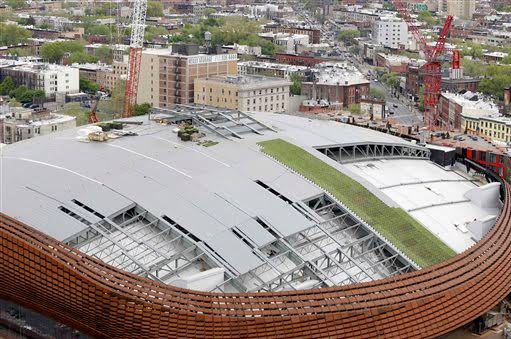
If you have ever walked around the Atlantic Terminal area in Brooklyn or looked at aerial photos of the neighborhood, you might have noticed something unusual. Amidst the concrete jungle and steel structures, one building stands out with a lush, verdant cap. You are likely asking yourself: why does the Barclays Center have grass on the roof?
It is not just for aesthetics. This design choice represents a significant shift in how modern urban infrastructure interacts with the environment. In this article, we will peel back the layers of soil and sediment to explain the engineering, environmental, and economic reasons behind this unique feature. Whether you are a sports fan, an architecture enthusiast, or simply curious about sustainable city living, understanding this green roof offers valuable insights into the future of urban development.
The Engineering Behind the Green Roof
To understand why the Barclays Center features vegetation on its top level, we must first look at the structural engineering involved. A green roof is not merely dirt poured onto a concrete slab. It is a complex, multi-layered system designed to support plant life while protecting the building beneath.
The system used at the Barclays Center is known as an extensive green roof. Unlike intensive green roofs (which can support trees and require deep soil), extensive roofs are lightweight, low-maintenance, and self-sustaining.
Key Components of the System
- Waterproofing Membrane: The base layer prevents water from leaking into the arena structure.
- Root Barrier: Protects the waterproofing from plant roots.
- Drainage Layer: Allows excess water to flow away efficiently, preventing waterlogging.
- Growing Medium: A specialized, lightweight soil mix that retains moisture but drains well.
- Vegetation: Drought-resistant plants, primarily sedums and native grasses, chosen for their ability to survive harsh rooftop conditions.
This layered approach ensures that the roof remains durable despite exposure to wind, rain, snow, and the intense heat of New York summers. The weight of the system was carefully calculated during the construction phase to ensure it did not compromise the structural integrity of the arena.
Environmental Benefits: More Than Just Looks
One of the primary reasons why does the Barclays Center have grass on the roof is to mitigate the environmental impact of such a massive structure. Urban areas like Brooklyn suffer from the “Urban Heat Island” effect, where concrete and asphalt absorb and re-radiate heat, making cities significantly hotter than surrounding rural areas.
Combating the Urban Heat Island Effect
Traditional black or gray roofs can reach temperatures of up to 150°F (65°C) in summer. In contrast, the vegetated roof at the Barclays Center stays much cooler. The plants release moisture through evapotranspiration, which cools the air around them. This helps lower the ambient temperature in the immediate vicinity, contributing to a more comfortable microclimate for pedestrians and nearby residents.
Stormwater Management
New York City has an aging combined sewer system. During heavy rains, this system can become overwhelmed, leading to sewage overflows into local waterways. Green roofs act as natural sponges.
- Absorption: The soil and plants absorb rainfall.
- Retention: Water is held in the growing medium and released slowly.
- Filtration: As water passes through the soil, pollutants are filtered out.
According to data from similar extensive green roofs, they can retain 50% to 75% of annual rainfall. For a structure as large as the Barclays Center, this translates to thousands of gallons of water kept out of the city’s sewer system every year.
Energy Efficiency and Cost Savings
While the environmental benefits are noble, there is also a strong economic argument for the green roof. Building owners and operators are increasingly focused on operational efficiency, and the Barclays Center is no exception.
Natural Insulation
The layer of soil and vegetation acts as an additional insulator for the building. In the winter, it helps retain heat inside the arena, reducing the load on heating systems. In the summer, it shields the roof membrane from direct solar radiation, keeping the interior cooler.
| Feature | Traditional Roof | Green Roof |
|---|---|---|
| Summer Surface Temp | Very High (140°F+) | Moderate (Close to Air Temp) |
| Insulation Value | Low | High |
| HVAC Load | Higher | Reduced |
| Lifespan of Membrane | 15–20 Years | 40+ Years (Protected from UV) |
By reducing the energy required for heating and cooling, the Barclays Center lowers its carbon footprint and operational costs. Furthermore, the green roof protects the underlying waterproofing membrane from UV rays and extreme temperature fluctuations, potentially doubling its lifespan. This means fewer repairs and less waste over the life of the building.
Biodiversity and Urban Ecology
Brooklyn is a dense urban environment with limited green space. The introduction of a green roof creates a new habitat for local wildlife. While you won’t find deer grazing on the Barclays Center, the roof supports a variety of pollinators.
Bees, butterflies, and other insects are attracted to the flowering sedums and native plants. This contributes to the overall biodiversity of the area, supporting the ecological network of New York City. It serves as a stepping stone for migratory birds and insects moving through the urban landscape.
This aspect aligns with broader city initiatives to increase green infrastructure. By creating habitats in unexpected places, buildings like the Barclays Center help reconnect urban dwellers with nature.
Community and Aesthetic Value
Beyond the technical and environmental reasons, there is a human element to consider. The green roof improves the visual appeal of the arena. Instead of a stark, industrial-looking top, the building blends more harmoniously with the surrounding neighborhood.
For residents living in high-rise apartments nearby, the view of greenery is psychologically beneficial. Studies have shown that access to views of nature can reduce stress and improve mental well-being. The Barclays Center’s design acknowledges its role as a community hub, not just a sports venue.
Additionally, the project served as a demonstration case for sustainable construction in New York. It showed other developers that large-scale commercial projects could incorporate eco-friendly features without sacrificing functionality or budget.
Addressing Common Misconceptions
Some people assume that maintaining a green roof is incredibly difficult or expensive. However, the extensive green roof system chosen for the Barclays Center is designed for low maintenance.
- No Mowing Required: The plants are low-growing sedums and grasses that do not need regular cutting.
- Minimal Watering: Once established, the plants are drought-tolerant and rely mostly on rainfall. Irrigation is only needed during extreme dry spells.
- Weed Control: Occasional weeding is performed to prevent invasive species from taking over, but this is minimal compared to traditional landscaping.
This low-maintenance approach makes the green roof a practical long-term investment rather than a burdensome novelty.
FAQ Section
1. Is the grass on the Barclays Center roof real?
Yes, the vegetation is real. It consists primarily of hardy, drought-resistant plants like sedums, native grasses, and wildflowers. These species are specifically chosen for their ability to thrive in shallow soil and withstand harsh weather conditions.
2. How much does the green roof weigh?
Extensive green roofs are designed to be lightweight. The system at the Barclays Center adds approximately 15–30 pounds per square foot when saturated with water. This weight was factored into the original structural design of the arena to ensure safety and stability.
3. Can visitors access the green roof?
Generally, the green roof is not open to the public for safety and maintenance reasons. Access is restricted to authorized personnel for inspection and occasional upkeep. However, the visual benefit is enjoyed by those in surrounding buildings and public spaces.
4. Does the green roof leak?
No, properly installed green roofs do not leak. The system includes a robust waterproofing membrane and a root barrier. In fact, green roofs often last longer than traditional roofs because the vegetation protects the membrane from UV damage and temperature extremes. For more details on green roof technology, you can refer to Wikipedia’s article on Green Roofs.
5. What types of plants are used?
The primary plants are sedums (stonecrops), which are succulents known for their durability. Native grasses and wildflowers are also included to support local biodiversity. These plants require minimal soil depth and are highly resistant to drought and wind.
6. How does the green roof help with noise?
The soil and vegetation layers provide additional sound insulation. They can help dampen external noise, such as traffic or aircraft, making the interior of the building quieter. Conversely, they also help contain noise from events inside the arena, reducing disturbance to the neighborhood.
Conclusion
So, why does the Barclays Center have grass on the roof? The answer is a combination of environmental responsibility, economic efficiency, and urban innovation. It is not just a decorative feature; it is a functional piece of infrastructure that helps manage stormwater, reduce energy consumption, combat heat islands, and support local biodiversity.
As cities continue to grow and face climate challenges, examples like the Barclays Center show us that sustainable design is not only possible but practical. It sets a precedent for future developments, proving that large venues can coexist harmoniously with their environment.
If you found this explanation helpful, please share this article on your favorite social media platforms. Let’s spread awareness about how innovative architecture can help build a greener, more sustainable future for our cities.