Running a business in the United States today requires more than just a great service or product; it demands reliable logistics. Whether you are a plumber, an electrician, or running a last-mile delivery service, your vehicle is your mobile office. Choosing the wrong van can lead to wasted fuel, insufficient storage, and costly downtime. This is where the 2024 Ford Transit 250 3Dr Lwb High Roof Cargo Van steps in as a game-changer for professionals who need space, power, and durability without compromise.
In this comprehensive guide, we will break down everything you need to know about this specific configuration. We will look beyond the brochure specs to understand how this van performs in real-world American work environments. By the end of this article, you will know if this heavy-duty workhorse is the right fit for your fleet.
What Makes the 2024 Ford Transit 250 Stand Out?
The Ford Transit has long been a staple in the commercial vehicle market, but the 2024 model year brings refined engineering that addresses common pain points for business owners. The “250” designation refers to the Gross Vehicle Weight Rating (GVWR), placing it in the medium-duty category. This is crucial because it offers a sweet spot between maneuverability and heavy-hauling capability.
When we specify the 3Dr Lwb High Roof, we are talking about a specific utility-focused configuration. The three-door setup (two front doors, one sliding side door) maximizes structural integrity while keeping costs lower than the four-door crew cab versions. The Long Wheelbase (LWB) provides an extended cargo floor, and the High Roof allows most adults to stand upright inside, reducing back strain during loading and unloading.
Key Specifications at a Glance
To help you visualize what this van offers, here is a breakdown of the core specifications for the 2024 model:
| Feature | Specification |
|---|---|
| Engine Options | 3.5L V6 Gas, 3.5L EcoBoost V6, 2.0L Diesel |
| Max Payload | Up to 4,650 lbs (varies by configuration) |
| Cargo Volume | Approx. 487.3 cubic feet |
| Cargo Length | ~147.6 inches (floor length) |
| Interior Height | ~81.5 inches (High Roof) |
| Towing Capacity | Up to 7,500 lbs (with proper equipment) |
Note: Exact figures may vary based on specific trim levels and optional packages.
How Much Can the 2024 Transit 250 Actually Carry?
One of the most frequent questions from buyers is about payload capacity. It is not just about volume; it is about weight. The 2024 Ford Transit 250 3Dr Lwb High Roof Cargo Van is engineered to handle substantial loads. With a GVWR typically ranging between 9,000 and 9,500 pounds, you have significant room for cargo after accounting for the vehicle’s curb weight.
For context, if you are hauling HVAC units, construction materials, or bulk delivery packages, this van can handle it. The rear-wheel-drive (RWD) configuration, which is standard for many heavy-duty Transits, ensures better weight distribution when the van is fully loaded. This improves traction and stability, especially when navigating hilly terrains common in states like Colorado or California.
According to industry data, improper load distribution is a leading cause of commercial vehicle accidents. The Transit’s wide track and low center of gravity help mitigate this risk, making it safer for drivers who spend hours on the road.
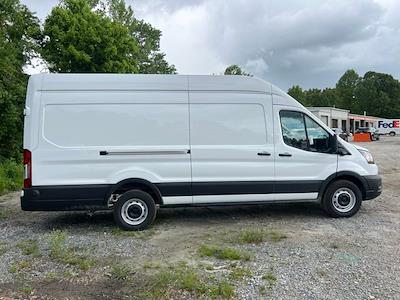
Is the High Roof Worth the Extra Cost?
Many business owners hesitate at the price difference between the Medium Roof and the High Roof. However, for the 2024 Ford Transit 250 3Dr Lwb High Roof Cargo Van, the investment often pays for itself in ergonomic benefits.
Ergonomics and Efficiency
Imagine spending eight hours a day bending over to retrieve tools or packages. Over a year, this adds up to significant physical strain and potential worker’s compensation claims. The High Roof configuration provides over 6 feet 9 inches of interior height. This means a 6-foot-tall technician can walk through the van without ducking.
Furthermore, the vertical space allows for taller shelving units. You can install roof-mounted storage racks inside the van, effectively doubling your usable storage space without increasing the vehicle’s footprint on the road. This is critical for urban deliveries where parking space is limited.
What Engine Options Are Available for 2024?
Powertrain choice dictates your operating costs and performance. Ford offers three distinct engine options for the 2024 Transit, each suited for different business needs.
- 3.5L Ti-VCT V6 Gas Engine: This is the standard engine. It provides reliable power and is widely supported by mechanics across the US. It is ideal for general contracting and light-to-medium hauling.
- 3.5L EcoBoost V6 Gas Engine: If your routes involve steep grades or heavy towing, this is the preferred choice. The twin-turbocharged engine delivers high torque at low RPMs, improving fuel efficiency under load.
- 2.0L Power Stroke Turbo Diesel: For those prioritizing fuel economy and long-distance driving, the diesel option offers superior mileage. While the upfront cost is higher, the long-term savings on fuel can be substantial for high-mileage fleets.
For a detailed understanding of how internal combustion engines have evolved to meet modern efficiency standards, you can refer to this overview of engine technology on Wikipedia.
Pros and Cons: A Balanced View
No vehicle is perfect. To maintain transparency and help you make an informed decision, let’s look at the advantages and disadvantages of this specific model.
Advantages
- Massive Cargo Space: The LWB and High Roof combination offers class-leading volume.
- Upfitting Friendly: The walls are designed with pre-drilled holes and strong anchor points for easy installation of shelves and racks.
- Resale Value: Ford Transits hold their value well in the used commercial market.
- Tech Integration: Comes with Ford Co-Pilot360, including blind-spot monitoring and lane-keeping assist.
Disadvantages
- Fuel Economy: Despite improvements, a van of this size is not fuel-efficient compared to smaller vans or trucks.
- Parking Challenges: The length and height can make urban parking difficult without cameras and sensors.
- Ride Comfort: As a commercial vehicle, the suspension is stiff. It is built for load-bearing, not luxury comfort.
How Does It Compare to Competitors?
The commercial van market is competitive. The primary rivals to the 2024 Ford Transit 250 3Dr Lwb High Roof Cargo Van are the Mercedes-Benz Sprinter and the Ram ProMaster.
- Vs. Mercedes-Benz Sprinter: The Sprinter is known for its luxurious interior and diesel efficiency. However, the Ford Transit generally offers a lower entry price and cheaper maintenance costs. Parts for Ford are more readily available in rural areas of the US.
- Vs. Ram ProMaster: The ProMaster offers a front-wheel-drive layout which can be beneficial for low-floor loading. However, many users report that the Transit feels more stable at highway speeds and offers a more robust powertrain option with the EcoBoost.
Maintenance Tips for Longevity
To ensure your 2024 Ford Transit 250 3Dr Lwb High Roof Cargo Van lasts for years, follow these simple maintenance steps:
- Regular Oil Changes: Stick to the manufacturer’s recommended intervals, typically every 5,000 to 7,500 miles depending on the engine and oil type.
- Tire Rotation: Rotate tires every 5,000 miles. Uneven wear is common in rear-wheel-drive vans due to heavy rear loads.
- Brake Inspection: Check brake pads every 10,000 miles. Heavy payloads put extra stress on braking systems.
- Clean Air Filters: A clogged air filter reduces engine efficiency. Inspect it monthly if you drive in dusty conditions.
FAQ Section
1. What is the maximum cargo length in the 2024 Transit 250 LWB?
The maximum cargo floor length for the Long Wheelbase (LWB) model is approximately 147.6 inches. This allows you to carry long materials like lumber or pipes without needing a roof rack, provided they fit within the width constraints.
2. Can I convert the 2024 Transit 250 into a camper van?
Yes, the 2024 Ford Transit 250 3Dr Lwb High Roof Cargo Van is a popular base for camper conversions. The high roof provides ample headroom for sleeping lofts, and the LWB offers enough space for a kitchenette and bathroom. However, ensure you do not exceed the GVWR when adding water tanks and furniture.
3. Does the 2024 Transit come with a warranty?
Ford typically offers a 3-year/36,000-mile basic warranty and a 5-year/60,000-mile powertrain warranty for commercial vehicles. It is advisable to check with your local dealer for any specific fleet incentives or extended warranty options.
4. Is the Transit 250 suitable for cold weather states?
Absolutely. Ford offers an optional engine block heater and all-weather mats. The EcoBoost engine, in particular, performs well in cold starts. Many businesses in Minnesota and Alaska rely on the Transit for winter operations.
5. How does the fuel economy compare to previous models?
The 2024 model has seen slight improvements in aerodynamics and engine tuning. While still a large vehicle, you can expect an average of 14–16 MPG in mixed driving conditions with the gas V6, and up to 20–22 MPG with the diesel option, depending on load and driving style.
Conclusion
Choosing the right commercial vehicle is a strategic business decision. The 2024 Ford Transit 250 3Dr Lwb High Roof Cargo Van offers a compelling blend of space, power, and versatility. It is designed to meet the rigorous demands of American businesses, from construction crews to delivery services.
While it may not be the most fuel-efficient option on the market, its payload capacity and upfitting flexibility make it a top contender. By understanding its strengths and planning for its maintenance, you can maximize your return on investment.
If you found this review helpful, please share it with your fellow business owners on LinkedIn or Facebook. Let us know in the comments if you are considering adding a Transit to your fleet this year!