Have you ever looked up into your attic and wondered exactly what is protecting your home from the elements above? Identifying the roofing material without climbing onto the roof can be tricky, but it is essential for proper maintenance and insurance purposes. If you are trying to figure out how to identify cedar shake on a roof from attic, this guide will walk you through the specific visual and sensory clues you need to look for.
Cedar shake roofs are prized for their natural beauty and durability, but they require different care than asphalt shingles or metal roofing. Knowing what you have allows you to spot leaks early, manage ventilation needs, and plan for eventual replacement. Let’s dive into the attic and solve this mystery together.
Why Identifying Your Roof Material Matters
Before we grab our flashlights, it is important to understand why this identification process is critical. Many homeowners assume their roof is asphalt because it is the most common material in the United States. However, cedar shakes offer unique insulation properties and aesthetic value that affect your home’s energy efficiency and resale value.
According to industry data, wood roofing can last 30 to 50 years if properly maintained, significantly longer than standard asphalt shingles. Misidentifying your roof could lead to using the wrong cleaning chemicals or ignoring specific ventilation requirements that prevent mold growth. By confirming your roof type from the safety of your attic, you save time, money, and potential safety risks associated with climbing ladders.
Visual Clues: What Does Cedar Look Like from Below?
The most reliable way to determine if you have cedar shakes is by observing the underside of the roof deck. When you enter your attic, turn off any bright overhead lights if possible and use a focused flashlight. This helps highlight textures and gaps that ambient light might wash out.
1. Check for Irregular Gaps and Light Penetration
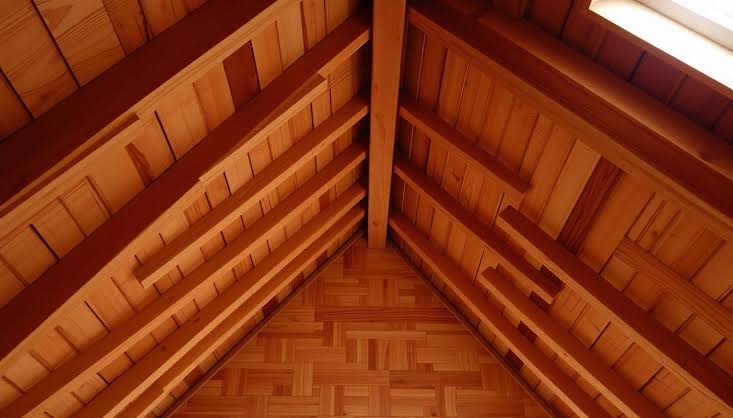
Unlike asphalt shingles, which are installed over a solid sheathing (usually plywood or OSB), cedar shakes are often installed over spaced sheathing boards.
- Look for gaps: If you see daylight filtering through narrow, consistent gaps between wooden boards, this is a strong indicator of a wood shake roof. These gaps allow the wood to breathe and dry out after rain.
- Board spacing: The boards underneath are typically 1×4 or 1×6 inch lumber, spaced anywhere from 1/2 inch to several inches apart, depending on the length of the shake.
2. Examine the Texture and Grain
If your attic has solid sheathing (plywood) instead of spaced boards, do not rule out cedar yet. Some modern installations use solid decking with an underlayment. In this case, look for:
- Nail patterns: Cedar shakes are hand-nailed. Look for rows of nails that may appear slightly irregular compared to the precise, machine-gun pattern of asphalt shingles.
- Wood grain visibility: If the sheathing is thin or if there are areas where the underlayment is damaged, you might see the rough, textured backside of the shakes themselves. Cedar backs are often sawn or split, showing a distinct woody texture rather than the smooth, granular surface of asphalt.
3. Color and Aging Signs
Fresh cedar is a warm, reddish-brown. However, from the attic, you are looking at the underside.
- Untreated wood: The underside usually remains lighter than the top, often a pale tan or cream color.
- Weathering: If the roof is older, you might see dark stains or water marks. Cedar is prone to holding moisture if ventilation is poor, so look for dark streaks running along the rafters or sheathing.
The Smell Test: A Unique Identifier
One of the most underrated methods for how to identify cedar shake on a roof from attic is using your sense of smell. This is particularly effective in warmer weather or after a rainstorm.
Cedar contains natural oils, such as thujaplicins, which give it a distinct, aromatic scent. When the roof heats up during the day or gets wet, these oils are released.
- Enter the attic on a hot day: If you detect a faint, woody, slightly sweet aroma that resembles a pencil sharpener or a sauna, it is likely cedar.
- Compare with other materials: Asphalt shingles emit a tar-like, petroleum smell when hot. Metal roofs are odorless. Clay tiles have an earthy, dusty smell. If the air smells like fresh lumber or pine forest, you are likely dealing with cedar.
Pro Tip: If you cannot smell anything, try rubbing a small, inconspicuous area of exposed wood (if visible) with your finger. The friction generates heat and may release the scent.
Structural Indicators: Rafters and Ventilation
The structure of your attic can provide secondary clues about your roofing material. Cedar shake roofs are heavier than asphalt but lighter than clay tile or slate. However, the installation requirements differ significantly.
Ventilation Requirements
Cedar roofs require superior ventilation to prevent rot and mold.
- Soffit and Ridge Vents: Check if your attic has extensive soffit vents and a continuous ridge vent. While all roofs benefit from this, cedar roofs depend on it. If you see large, prominent ventilation systems that seem excessive for a standard home, it might be designed for a wood roof.
- Airflow: Place your hand near the eaves. You should feel a steady flow of air moving upward. Poor airflow in a cedar roof attic often leads to visible mold on the underside of the sheathing.
Weight and Support
While difficult to judge visually, you can look for signs of structural reinforcement.
- Heavier Rafters: In older homes with original cedar roofs, rafters may be larger (e.g., 2×8 or 2×10) compared to the 2x6s often used for lighter asphalt roofs. This is not a definitive rule, but it can support other evidence.
Comparison: Cedar Shake vs. Asphalt Shingles from the Attic
To help you distinguish between the two most common roofing types, refer to the table below.
| Feature | Cedar Shake Roof | Asphalt Shingle Roof |
|---|---|---|
| Underside View | Often shows spaced boards with light gaps | Solid plywood/OSB sheathing, no light gaps |
| Smell | Woody, aromatic, natural oil scent | Tar-like, petroleum, or no scent |
| Nail Pattern | Irregular, hand-driven nails | Uniform, machine-driven nail lines |
| Ventilation | Critical; often has extensive venting | Standard ventilation suffices |
| Moisture Signs | Prone to dark water stains/mold if wet | Less prone to visible underside staining |
Step-by-Step Guide to Confirmation
If you are still unsure, follow this systematic approach to confirm your findings.
- Safety First: Wear a N95 mask, gloves, and sturdy shoes. Attics can contain insulation fibers, dust, and sharp nails. Ensure you have a stable footing on the joists, not the drywall ceiling.
- Timing: Choose a sunny day around midday. The heat will help activate the scent of the cedar and make light gaps more visible.
- Locate the Eaves: Start at the edge of the roof where it meets the exterior wall. This is often where the roof structure is most visible.
- Inspect the Sheathing: Look up. Do you see solid wood panels or individual boards with gaps? Gaps suggest cedar.
- Check for Underlayment: If you see black felt paper (tar paper) stapled to spaced boards, it is almost certainly cedar or wood shingles. Asphalt shingles are nailed directly to solid sheathing.
- Sniff the Air: Take a deep breath. Does it smell like wood or tar?
- Consult External Resources: For more detailed technical specifications on wood roofing standards, you can refer to the Cedar Shake & Shingle Bureau or general construction guidelines on Wikipedia.
FAQ Section
1. Can I identify cedar shakes if my attic has insulation covering the roof deck?
It is more challenging but not impossible. Look for areas where insulation is thin or missing, such as near eaves, vents, or plumbing stacks. You may also be able to gently move insulation aside in a non-critical area to peek at the sheathing. Always wear protective gear when handling insulation.
2. What if I see plywood but still suspect cedar?
Some modern building codes require solid sheathing even for cedar roofs, especially in high-wind or fire-prone areas. In this case, rely on the smell test and the nail pattern. Also, check the exterior from the ground using binoculars. Cedar shakes have a thick, textured, and irregular appearance that is distinct from the flat, uniform look of asphalt.
3. Is it dangerous to go into the attic to check my roof?
Attics can pose risks such as falls through the ceiling, exposure to mold, or contact with electrical wiring. If you are uncomfortable or if your attic is inaccessible, consider hiring a professional roofer or home inspector. They can identify the material safely and provide a detailed report.
4. How old does a cedar roof need to be to lose its smell?
Cedar retains its aromatic oils for many years, but the scent may fade after 10–15 years, especially if the roof has been treated with sealants or fire retardants. If the roof is very old and odorless, rely on visual cues like spaced sheathing and nail patterns.
5. Why do I see white powder on the wood in my attic?
White powder could be efflorescence (mineral deposits from moisture) or mold spores. Cedar is susceptible to mold if ventilation is poor. If you see this, it confirms you have a wood product, but it also indicates a moisture problem that needs immediate attention to prevent structural damage.
6. Can I use this method to identify wood shingles vs. cedar shakes?
From the attic, it is difficult to distinguish between wood shingles (machine-cut, uniform thickness) and wood shakes (hand-split, tapered). Both are installed similarly with spaced sheathing. To differentiate them, you would need to inspect the roof from the exterior. Shakes are thicker and more rustic, while shingles are smoother and thinner.
Conclusion
Learning how to identify cedar shake on a roof from attic is a valuable skill for any homeowner. By combining visual inspection of sheathing gaps, analyzing nail patterns, and using the unique scent of cedar, you can confidently determine your roofing material without climbing a ladder. Remember, cedar roofs are an investment in natural beauty and longevity, but they demand proper ventilation and maintenance.
If you discover you have cedar shakes, take pride in your home’s character! Share this guide with friends or neighbors who might be curious about their own roofs. Knowledge is the first step toward better home care. Have you identified your roof type? Let us know in the comments or share your experience on social media!