Have you noticed curling edges or missing granules on your roof lately? It is a stressful realization, but knowing how much does it cost to replace a shingle roof is the first step toward securing your home’s future. This guide breaks down every expense so you can budget with confidence and avoid surprise bills.
Understanding the Average Cost of Shingle Roof Replacement
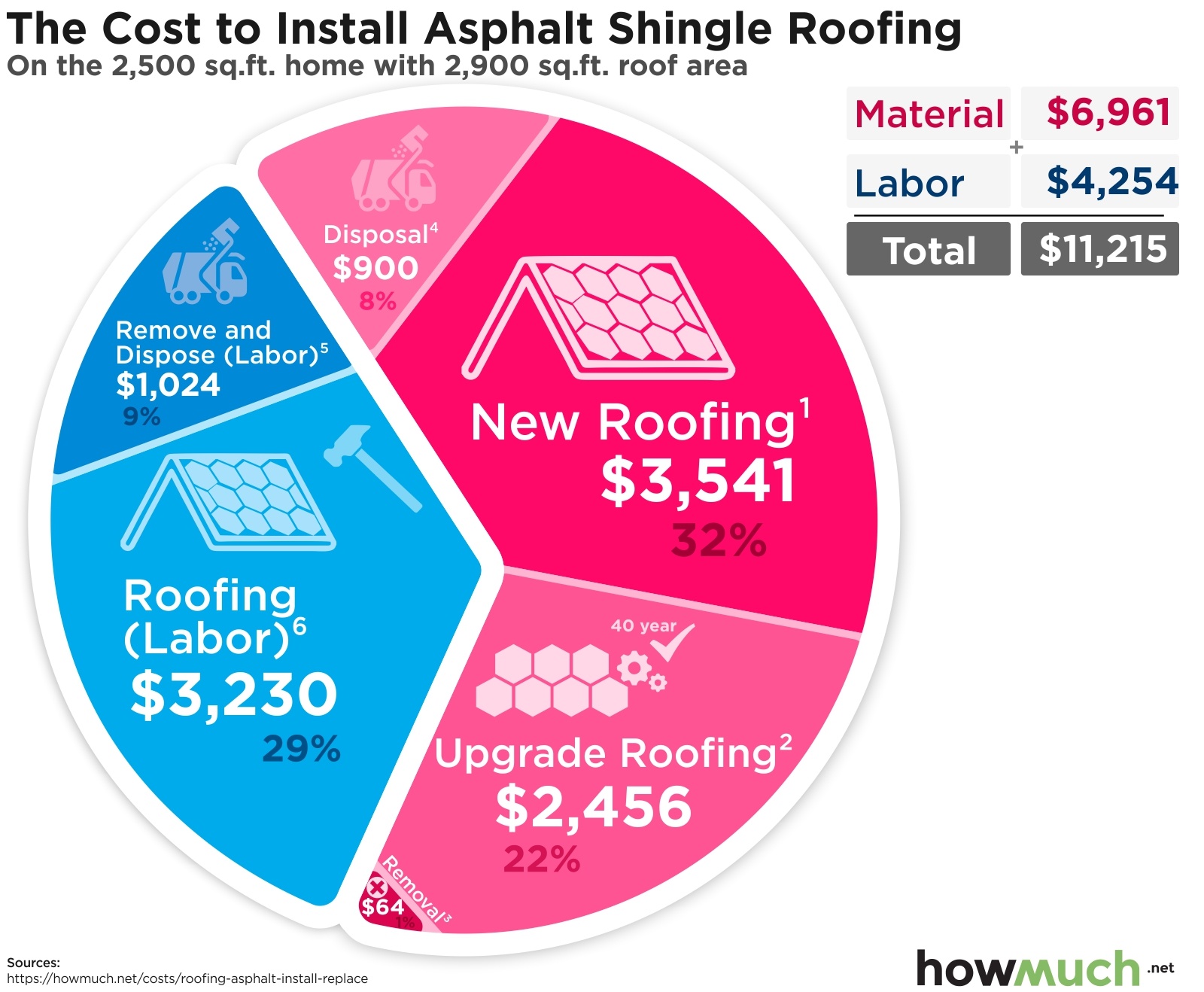
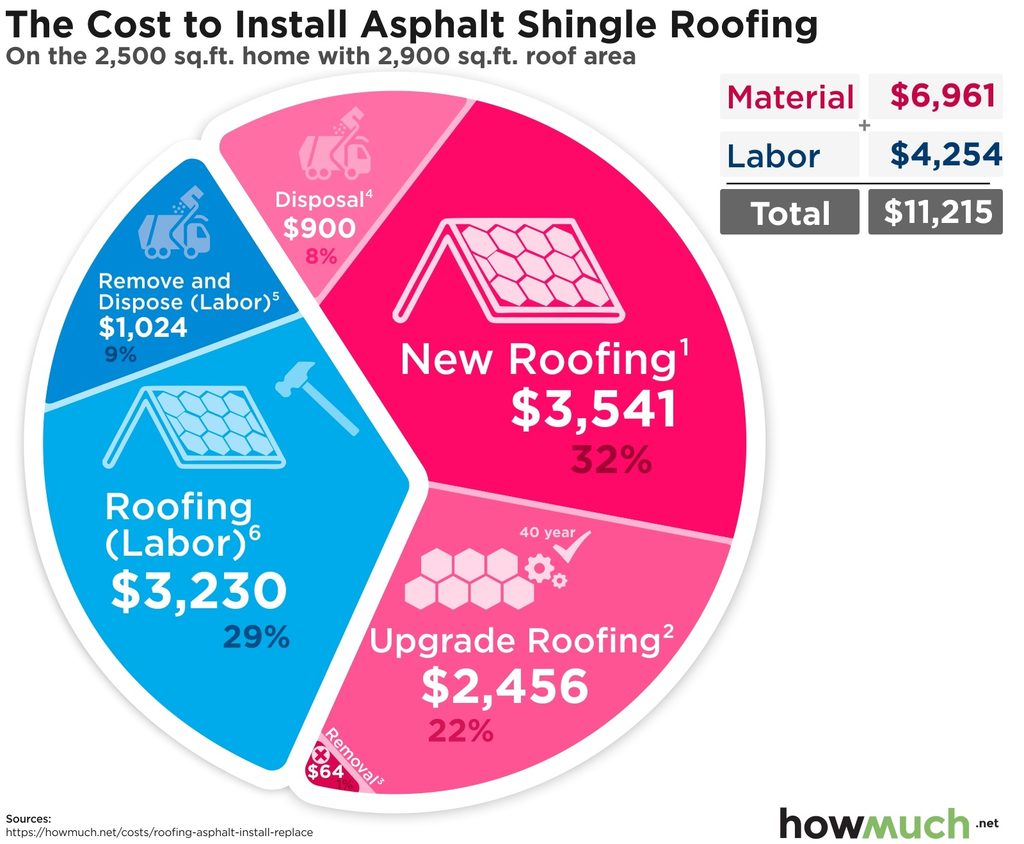
When homeowners ask about roofing costs, they are usually looking for a ballpark figure to start their financial planning. In 2026, the national average cost to replace an asphalt shingle roof ranges between $8,500 and $14,500 for a standard 2,000-square-foot home. However, this number can fluctuate significantly based on your location, the complexity of your roof structure, and the specific type of shingles you choose.
It is crucial to understand that “shingle roof” is a broad category. While asphalt is the most common due to its affordability and durability, the price per square foot varies. Generally, you can expect to pay between $4.50 and $9.00 per square foot installed. This includes both materials and labor.
Labor typically accounts for about 60% of the total cost, while materials make up the remaining 40%. If you live in a high-cost-of-living area like California or New York, expect these figures to be on the higher end. Conversely, in the Midwest or South, prices may lean toward the lower spectrum due to competitive market rates and lower labor costs.
Factors That Influence Your Final Roofing Bill
Several variables dictate the final invoice from your contractor. Understanding these factors helps you anticipate where your money is going.
1. Roof Size and Pitch
The size of your roof is measured in “squares,” where one square equals 100 square feet. A larger roof naturally requires more materials and labor. Additionally, the pitch (steepness) matters. A steep roof requires special safety equipment, more time, and highly skilled labor, which increases the cost. A low-slope or flat roof is generally cheaper to replace because it is easier and safer to work on.
2. Type of Asphalt Shingles
Not all shingles are created equal. Here is a quick breakdown of the three main tiers:
- 3-Tab Asphalt Shingles: The most economical option. They are thin and have a flat appearance. Cost: $3.50–$5.50 per sq. ft.
- Architectural (Dimensional) Shingles: The most popular choice. They are thicker, offer better wind resistance, and mimic the look of wood or slate. Cost: $4.50–$7.50 per sq. ft.
- Premium/Luxury Shingles: High-end options that offer superior durability and aesthetic appeal. Cost: $7.00–$12.00+ per sq. ft.
3. Removal of Old Roofing
Does your new roof need to go over the old one, or does the old layer need to be torn off? Most building codes allow only two layers of roofing. If you already have two layers, or if the underlying deck is damaged, a full tear-off is required. Tear-off costs add approximately $1.00 to $2.50 per square foot to your project due to labor and dumpster fees.
4. Geographic Location
Local climate conditions influence material choices. For example, homes in hurricane-prone areas may require impact-resistant shingles and additional fastening, which raises the price. Similarly, regions with heavy snowfall may need enhanced ice and water shields.
Material Breakdown: What Are You Paying For?
To truly understand how much does it cost to replace a shingle roof, you must look beyond just the shingles themselves. A complete roofing system includes several critical components.
| Component | Description | Estimated Cost Impact |
|---|---|---|
| Underlayment | A water-resistant barrier placed directly on the roof deck. | $0.50–$1.00 per sq. ft. |
| Ice & Water Shield | Extra protection for valleys and eaves to prevent leaks. | $0.75–$1.50 per sq. ft. |
| Flashing | Metal pieces used around chimneys, vents, and walls. | $20–$50 per linear foot |
| Ventilation | Ridge vents or box vents to ensure airflow. | $300–$800 total |
| Drip Edge | Metal flashing along the edges to direct water away. | $1.00–$2.00 per linear foot |
Skipping any of these components to save money is a false economy. Proper ventilation, for instance, extends the life of your shingles by preventing heat buildup in the attic. According to industry standards, proper airflow is non-negotiable for warranty validity.
For more detailed information on roofing materials and their historical development, you can refer to Wikipedia’s article on Roofing.
Step-by-Step: The Replacement Process
Knowing the process helps you verify that your contractor is doing the job correctly. Here is what a professional replacement entails:
- Site Preparation: The crew will protect your landscaping, set up dumpsters, and ensure safety lines are secure.
- Tear-Off: Old shingles, underlayment, and flashing are removed. The roof deck is inspected for rot or damage. Any compromised plywood is replaced at an additional cost (usually $75–$150 per sheet).
- Installation of Underlayment: A fresh layer of synthetic or felt underlayment is rolled out and nailed down. Ice and water shield is applied to vulnerable areas.
- Flashing Installation: New metal flashing is installed around chimneys, skylights, and wall intersections. This is a critical step for leak prevention.
- Shingle Installation: Starting from the bottom edge, shingles are laid in overlapping rows. Starter strips are used at the eaves to prevent wind uplift.
- Ventilation and Ridge Cap: Vents are installed to allow hot air to escape. The ridge cap is added last to seal the peak of the roof.
- Cleanup: The site is magnetically swept for nails, and debris is hauled away.
DIY vs. Hiring a Professional: Is It Worth It?
Some homeowners consider replacing their roof themselves to save on labor costs. While this might seem appealing, roofing is one of the most dangerous home improvement projects.
Risks of DIY Roofing:
- Safety Hazards: Falls from heights are a leading cause of home injury.
- Voided Warranties: Most shingle manufacturers void warranties if the roof is not installed by a certified professional.
- Code Violations: Incorrect installation can lead to failing home inspections when you sell your house.
Benefits of Hiring a Pro:
- Expertise: Professionals spot hidden issues like soft spots in the deck.
- Speed: A crew can finish in 1–3 days; a DIYer might take weeks.
- Insurance: Reputable contractors carry liability and workers’ compensation insurance.
Given the complexity and risk, hiring a licensed contractor is almost always the smarter financial decision in the long run.
How to Save Money on Your Roof Replacement
While you should never cut corners on quality, there are legitimate ways to reduce costs:
- Get Multiple Quotes: Aim for at least three detailed estimates. Ensure each quote includes the same scope of work (materials, tear-off, cleanup).
- Choose Architectural Shingles: They offer the best balance of cost, durability, and curb appeal. Avoid premium luxury shingles unless necessary for aesthetic matching.
- Schedule Off-Season: Roofing demand peaks in late summer and early fall. Scheduling your replacement in late winter or early spring (weather permitting) may yield discounts.
- Check for Insurance Coverage: If your roof was damaged by a recent storm (hail, wind), your homeowner’s insurance might cover part or all of the replacement cost.
FAQ Section
1. How long does a shingle roof last?
Standard 3-tab asphalt shingles typically last 15–20 years. Architectural shingles can last 25–30 years, while premium varieties may last up to 50 years. Regular maintenance and proper ventilation can extend these lifespans.
2. Does homeowners insurance cover roof replacement?
Insurance usually covers roof replacement if the damage is caused by a covered peril, such as hail, windstorms, or falling trees. It generally does not cover wear and tear or age-related deterioration. Always review your policy details.
3. Can I install new shingles over old ones?
Yes, but only if there is currently only one layer of shingles and the roof deck is in good condition. Most local building codes prohibit more than two layers. Adding a second layer saves on tear-off costs but can hide underlying deck issues.
4. What is the most expensive part of replacing a roof?
Labor is typically the largest expense, accounting for roughly 60% of the total cost. Materials, particularly high-end shingles and flashing, make up the rest. Disposal fees for the old roof can also add up if not included in the initial quote.
5. How do I know if I need a full replacement or just repairs?
If your roof is over 20 years old, has widespread granule loss, or leaks in multiple areas, a full replacement is likely more cost-effective. If the damage is isolated to a small section and the rest of the roof is young, repairs may suffice. A professional inspection is the best way to decide.
Conclusion
Replacing your roof is a significant investment, but it is essential for protecting your home and family. By understanding how much does it cost to replace a shingle roof, you can navigate the process with clarity. Remember, the cheapest quote is not always the best value. Prioritize quality materials, reputable contractors, and proper installation techniques.
Take the time to research, get multiple quotes, and ask questions. Your roof is your home’s first line of defense against the elements. Make sure it is built to last.
Found this guide helpful? Share it with friends or neighbors who might be facing similar roofing decisions!