Have you ever found yourself captivated by the intense family dynamics and raw emotional honesty of mid-20th-century American theater? If you are trying to recall who wrote the play Cat On A Hot Tin Roof, you are looking for one of the most significant figures in literary history. This masterpiece is not just a story; it is a cultural touchstone that continues to resonate with audiences today.
Understanding the mind behind this work helps us appreciate the depth of its characters and the bravery of its themes. Let’s dive into the life of the playwright, the context of the era, and why this specific play remains so powerful decades after its debut.
The Mastermind: Tennessee Williams
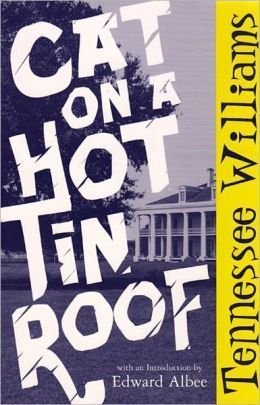
The answer to the question “who wrote the play Cat on a Hot Tin Roof” is Tennessee Williams. Born Thomas Lanier Williams III in 1911, he adopted the name “Tennessee” during his college years, a nickname that stuck and eventually became his professional moniker. He is widely regarded as one of the greatest playwrights of the 20th century, standing alongside Arthur Miller and Eugene O’Neill as a pillar of American drama.
Williams did not just write plays; he crafted psychological landscapes. His works often explored themes of desire, dependency, and the conflict between reality and illusion. Cat on a Hot Tin Roof, which premiered on Broadway in 1955, was his second major success following A Streetcar Named Desire. It won the Pulitzer Prize for Drama in 1955, cementing his status as a literary giant.
Why Tennessee Williams?
Williams had a unique ability to translate the Southern Gothic atmosphere into universal human experiences. He grew up in the American South, and his personal struggles with identity, mental health, and family expectations heavily influenced his writing. In Cat on a Hot Tin Roof, the character of Brick Pollitt mirrors many of Williams’ own feelings of alienation and disillusionment.
The Inspiration Behind the Play
While knowing who wrote the play Cat On A Hot Tin Roof is essential, understanding why he wrote it adds significant depth. The play is an adaptation of Williams’ earlier one-act play titled Three Players of a Summer Game. However, the core inspiration came from his own family dynamics.
Williams drew heavily from his relationship with his father, a traveling salesman who was often absent and emotionally distant, much like Big Daddy in the play. The tension between Brick and Big Daddy reflects the complex, often painful relationships many children have with their parents.
Key Influences on the Narrative
- Family Secrets: The theme of mendacity (lies) runs through the play, inspired by the secrets Williams observed in his own family.
- Sexual Identity: Brick’s struggle with his friendship with Skipper and his rejection of physical intimacy with Maggie reflects Williams’ own complexities regarding sexuality in a conservative era.
- Southern Decay: The setting of a crumbling plantation house symbolizes the decline of the Old South, a recurring motif in Williams’ work.
Plot Overview and Key Characters
To fully appreciate the work of Tennessee Williams, it helps to understand the structure of Cat on a Hot Tin Roof. The play is set in the bedroom of a plantation home in Mississippi during a sweltering summer evening. The family gathers to celebrate Big Daddy’s 65th birthday, but the air is thick with unspoken truths.
The Main Characters
| Character | Role | Key Trait |
|---|---|---|
| Brick Pollitt | Former football star | Alcoholic, disillusioned, emotionally detached |
| Maggie “The Cat” | Brick’s wife | Desperate, sensual, determined to secure her future |
| Big Daddy | Family patriarch | Wealthy, dying of cancer, dominant figure |
| Gooper | Brick’s brother | Ambitious, resentful, seeks inheritance |
| Mae | Gooper’s wife | Manipulative, competitive with Maggie |
The central conflict revolves around Brick’s alcoholism and his refusal to engage with his wife, Maggie, or his family. Maggie, feeling threatened by Gooper and Mae’s attempts to claim the family estate, tries to force Brick to confront his demons. Meanwhile, Big Daddy faces his own mortality, leading to explosive confrontations about truth and legacy.
Critical Reception and Legacy
When Cat on a Hot Tin Roof opened on March 24, 1955, at the Morosco Theatre in New York City, it was an immediate critical success. Directed by Elia Kazan, the production starred Barbara Bel Geddes as Maggie and Ben Gazzara as Brick. The play ran for 694 performances, a testament to its enduring appeal.
Critics praised Williams for his poetic dialogue and his unflinching look at human frailty. However, some conservative reviewers were shocked by the play’s candid discussion of homosexuality and sexual desire, which were taboo subjects at the time. Despite this, the play’s emotional honesty struck a chord with audiences worldwide.
Awards and Recognition
- Pulitzer Prize for Drama (1955): Awarded for its distinguished American play dealing with American life.
- New York Drama Critics’ Circle Award: Recognized for outstanding achievement in theater.
- Tony Award Nominations: The original production received multiple nominations, including Best Play.
For more detailed historical context, you can refer to the Wikipedia page for Cat on a Hot Tin Roof.
Adaptations: From Stage to Screen
The popularity of the play led to several adaptations, most notably the 1958 film directed by Richard Brooks. Starring Elizabeth Taylor as Maggie and Paul Newman as Brick, the film brought the story to a wider audience. However, due to the Motion Picture Production Code (Hays Code) of the time, the film censored many of the play’s more controversial elements, particularly those related to homosexuality.
Despite these changes, the film was a box office hit and received several Academy Award nominations. Later adaptations, including television movies and stage revivals, have stayed closer to Williams’ original text, allowing modern audiences to experience the full intensity of his vision.
Comparison: Play vs. Film
- Ending: The play ends ambiguously, with Brick and Maggie reconciling but their future uncertain. The film offers a more hopeful, resolved ending.
- Themes: The play explicitly addresses Brick’s possible homosexuality; the film subtexts this into a general “disgust” with life.
- Character Depth: The play allows for deeper exploration of secondary characters like Gooper and Mae, who are somewhat flattened in the film.
Why This Play Matters Today
Even though we know who wrote the play Cat On A Hot Tin Roof, the question remains: why does it still matter? The themes of Cat on a Hot Tin Roof are timeless. Families still grapple with secrets, inheritance disputes, and the pressure to conform to societal expectations.
In today’s world, where mental health and authentic communication are increasingly valued, Brick’s struggle feels more relevant than ever. His alcoholism is not just a plot device; it is a coping mechanism for a man who cannot face the truth of his life. Maggie’s desperation highlights the vulnerability of women in patriarchal structures, a topic that continues to spark important conversations.
Lessons from the Play
- The Cost of Lies: Mendacity destroys relationships and prevents genuine connection.
- Facing Mortality: Big Daddy’s denial of his illness shows how fear can blind us to reality.
- Resilience: Maggie’s determination to survive and thrive despite adversity is inspiring.
FAQ Section
Who originally wrote the play Cat on a Hot Tin Roof?
The play was written by Tennessee Williams, one of America’s most celebrated playwrights. He completed the script in 1954, and it premiered on Broadway in 1955.
Did Tennessee Williams win any awards for Cat on a Hot Tin Roof?
Yes, Tennessee Williams won the Pulitzer Prize for Drama in 1955 for Cat on a Hot Tin Roof. This award is one of the most prestigious honors in American literature and theater.
Is Cat on a Hot Tin Roof based on a true story?
While not a direct biography, the play is heavily inspired by Tennessee Williams’ own life. The dynamics between Brick and Big Daddy reflect Williams’ relationship with his father, and the themes of isolation and sexual identity mirror his personal struggles.
What is the main theme of Cat on a Hot Tin Roof?
The central theme is mendacity (the practice of lying). The play explores how lies protect people from painful truths but also prevent genuine human connection. Other key themes include mortality, sexuality, and family conflict.
How long is the play Cat on a Hot Tin Roof?
A typical performance of Cat on a Hot Tin Roof lasts approximately two and a half to three hours, including intermission. The length can vary depending on the director’s interpretation and pacing.
Are there different versions of the ending?
Yes. The original Broadway production and the published script have an ambiguous ending. However, Tennessee Williams wrote an alternative, more optimistic ending for the 1958 film adaptation to comply with censorship codes. Most modern stage productions use the original, ambiguous ending.
Conclusion
Knowing who wrote the play Cat On A Hot Tin Roof opens the door to a richer understanding of American theater. Tennessee Williams crafted a narrative that is both deeply personal and universally relatable. Through the characters of Brick, Maggie, and Big Daddy, he exposed the fragility of human relationships and the pain of living with unresolved truths.
Whether you are a student, a theater enthusiast, or someone exploring classic literature, Cat on a Hot Tin Roof offers valuable insights into the human condition. Its poetic language, complex characters, and emotional depth ensure its place in the canon of great American plays.
If you enjoyed learning about Tennessee Williams and his masterpiece, consider sharing this article with friends who love theater or literature. Discussing these classics keeps their legacy alive and encourages new generations to explore the power of storytelling.