Have you ever dug through a jar of loose change and found a copper penny that looked slightly different, sparking hopes of a hidden fortune? Many collectors have heard rumors about specific errors, leading them to ask the burning question: How Much Is A 1969 D Floating Roof Penny Worth?
It is completely understandable to feel excited by the possibility of finding a rare treasure in your pocket change. However, the world of numismatics (coin collecting) is filled with both genuine rarities and persistent myths. In this guide, we will separate fact from fiction, providing you with accurate, expert-backed information to help you understand the true value of your 1969-D Lincoln cent.
The Truth About the “Floating Roof” Myth
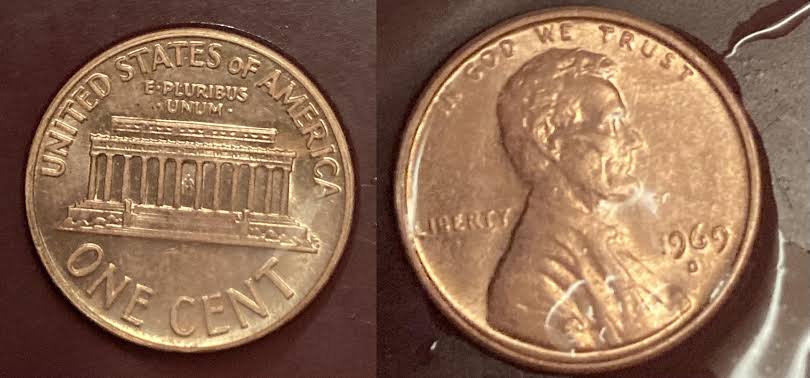
Before we discuss dollar amounts, we must address the terminology. If you search for “1969 D floating roof penny,” you will likely encounter conflicting information. This is because “floating roof” is not an officially recognized mint error by major grading services like PCGS (Professional Coin Graders Service) or NGC (Numismatic Guaranty Company).
In many cases, what collectors describe as a “floating roof” is actually a result of:
- Heavy Wear: Circulation can wear down the details of the Lincoln Memorial on the reverse side, making the roof appear detached or blurry.
- Die Deterioration: As coins are struck, the dies wear out, causing softer images that may look unusual to the untrained eye.
- Misidentification: Confusion with the famous 1969-S Doubled Die Obverse, which is a completely different and highly valuable coin.
Why Does This Myth Persist?
The internet amplifies rare coin stories. A single misidentified coin sold on an auction site for a high price (often due to buyer ignorance) can create a false benchmark for value. It is crucial to rely on authoritative sources rather than anecdotal forum posts. For a comprehensive history of Lincoln cents, you can refer to the detailed records on Wikipedia.
Real Value: What Is a 1969-D Penny Actually Worth?
The 1969-D Lincoln penny was minted in Denver, indicated by the small “D” mint mark below the date. The U.S. Mint produced over 1.5 billion of these coins in 1969. Because of this massive mintage, the standard 1969-D penny is considered common.
Here is a breakdown of the current market values based on condition (grade):
| Condition Grade | Description | Estimated Value (USD) |
|---|---|---|
| Good (G-4) | Heavily worn, flat details | $0.01 – $0.05 |
| Fine (F-12) | Moderate wear, some details visible | $0.05 – $0.10 |
| Extremely Fine (EF-40) | Light wear, sharp details | $0.10 – $0.25 |
| Uncirculated (MS-60) | No wear, but may have bag marks | $0.50 – $1.00 |
| Mint State (MS-65+) | Brilliant, no visible flaws | $2.00 – $5.00 |
| Perfect Gem (MS-67+) | Flawless, top-tier preservation | $15.00 – $30.00 |
Note: Prices are approximate and based on recent sales data from major numismatic databases. Copper content also adds slight intrinsic value.
The Copper Factor
Pennies minted before 1982 are composed of 95% copper and 5% zinc. With fluctuating copper prices, the melt value of a pre-1982 penny is often close to or slightly above its face value. While you cannot legally melt U.S. currency for profit, this metal content makes older pennies attractive to bulk collectors.
Common Errors vs. The “Floating Roof”
If your coin isn’t worth millions, does it have any other value? Yes, if it has a genuine mint error. Here are the actual errors to look for in 1969-D pennies:
1. Repunched Mint Mark (RPM)
Sometimes, the mint mark (“D”) was punched into the die more than once, slightly off-center. This creates a doubling effect on the letter itself.
- Value: $5 – $50, depending on visibility and grade.
2. Die Cracks or Cuds
A “cud” is a blob of metal on the edge of the coin caused by a broken die. Die cracks appear as raised lines across the coin’s surface.
- Value: $10 – $100+ for prominent cuds.
3. Off-Center Strikes
If the planchet (blank coin) was not properly aligned during striking, part of the design may be missing.
- Value: $20 – $200, depending on the percentage of off-center strike.
Important Distinction: Do not confuse the 1969-D with the 1969-S. The 1969-S Doubled Die Obverse is one of the most famous modern errors, with values ranging from $1,000 to over $50,000. However, this error only occurred at the San Francisco Mint (“S”), not Denver (“D”).
How to Identify Your Coin’s Condition
To determine if your 1969-D penny has any premium value, you need to assess its grade accurately. Follow these steps:
- Cleanliness Check: Never clean your coin! Cleaning removes the natural patina and drastically reduces value. If it is dirty, leave it alone.
- Examine the Luster: Hold the coin under a light source. Uncirculated coins will have a original shine (luster) that moves across the surface. Circulated coins will look dull.
- Check for Wear: Look at Lincoln’s cheekbone and the details of the Memorial on the back. If these areas are flat or smooth, the coin is circulated.
- Inspect the Edges: Use a magnifying glass (10x is ideal) to check for re-punched mint marks or die cracks.
Factors That Influence Coin Value
Understanding why some pennies are worth more than others helps you evaluate your collection.
- Scarcity: While 1.5 billion were made, very few survive in perfect condition. High-grade examples are scarce.
- Demand: Collector interest drives prices. Currently, there is moderate demand for high-grade Lincoln Memorial cents.
- Eye Appeal: Coins with attractive coloration (like red or brown toning) often sell for more than bland, grayish coins.
- Authentication: Coins graded by third-party services (PCGS, NGC, ANACS) command higher prices because their authenticity and grade are guaranteed.
FAQ: Common Questions About 1969 Pennies
1. Is there such a thing as a 1969 D double die penny?
No, there is no recognized “doubled die” error for the 1969-D penny. The famous doubled die is the 1969-S (San Francisco). Any doubling seen on a 1969-D is likely “machine doubling,” which has no significant collector value.
2. Why do people call it a “floating roof”?
This is a colloquial term used by some sellers to describe coins where the roof of the Lincoln Memorial appears detached due to heavy wear, poor striking, or die deterioration. It is not a technical numismatic term.
3. How can I sell my 1969-D penny?
For common circulated coins, local coin shops or bulk sales are best. For high-grade or error coins, consider online auction platforms like eBay or Heritage Auctions. Always research recent sold listings to set a realistic price.
4. What is the most valuable 1969 penny?
The 1969-S Doubled Die Obverse is the most valuable, fetching tens of thousands of dollars. Among Denver-minted coins, high-grade MS-67+ Red examples are the most valuable, typically selling for under $50.
5. Should I get my coin professionally graded?
Only if you believe it is in Mint State (uncirculated) condition or has a major, visible error. Grading fees can cost $30–$100+, which may exceed the value of a standard 1969-D penny.
6. Does the color of the penny matter?
Yes. Pennies are graded as “Red” (original copper color), “Brown,” or “Black.” Red coins are more desirable and valuable because they indicate less oxidation and better preservation.
Conclusion
So, how much is a 1969 D floating roof penny worth? In short, if you have a standard 1969-D penny, it is likely worth between 1 cent and 5 cents in circulated condition, up to $30 if it is in perfect, gem-quality condition. The term “floating roof” is generally a misnomer for wear or minor die issues, not a rare error commanding huge sums.
While you may not have found a million-dollar ticket, every coin has a story. Understanding the difference between myth and reality empowers you to build a knowledgeable and valuable collection.
Did you find a unique 1969 penny in your change? Share your photos and questions in the comments below, or share this article with fellow coin enthusiasts on social media to help debunk the myths together!