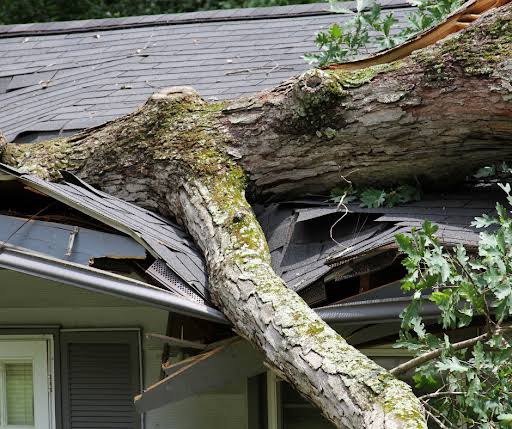
Discovering a water stain on your ceiling is every homeowner’s nightmare. It triggers immediate anxiety about structural damage, mold growth, and, most pressingly, the financial hit. If you are frantically searching for how much does it cost to fix leak in roof, you are not alone; understanding the price range is the first step toward regaining control of the situation.
Understanding the Average Cost Range
When a leak occurs, the immediate question is always about the bottom line. In 2026, the cost to repair a roof leak varies significantly based on the severity of the damage, the type of roofing material, and your geographic location. However, having a realistic baseline helps you budget effectively and avoid being overcharged by contractors.
On average, homeowners in the United States spend between $400 and $1,200 for minor to moderate leak repairs. This typically includes locating the source of the leak, replacing damaged shingles or flashing, and sealing the area. For more extensive damage that involves replacing sections of the underlayment or repairing structural wood rot, costs can rise to $1,500 to $3,500.
It is crucial to note that these figures are estimates. A simple sealant job might cost as little as $150, while a complex leak near a chimney or skylight on a steep-pitch slate roof could exceed $4,000. The variability comes from labor intensity and material accessibility.
Factors Influencing Repair Costs
Several key variables dictate where your specific repair will fall within this spectrum:
- Roof Pitch and Accessibility: Steep roofs require special safety equipment and more labor time, increasing costs by 20–40%.
- Material Type: Asphalt shingles are the most affordable to repair. Metal, tile, slate, and wood shakes require specialized skills and materials, driving up the price.
- Extent of Water Damage: If the leak has been present for weeks, the cost isn’t just about the roof. You may need to pay for drywall replacement, insulation removal, and mold remediation inside the attic.
- Location: Labor rates in urban areas like New York or San Francisco are significantly higher than in rural Midwest regions.
Common Causes and Specific Repair Costs
To understand the quote you receive, it helps to know what exactly is broken. Different components of your roofing system fail in different ways, and each has its own price tag.
1. Damaged or Missing Shingles
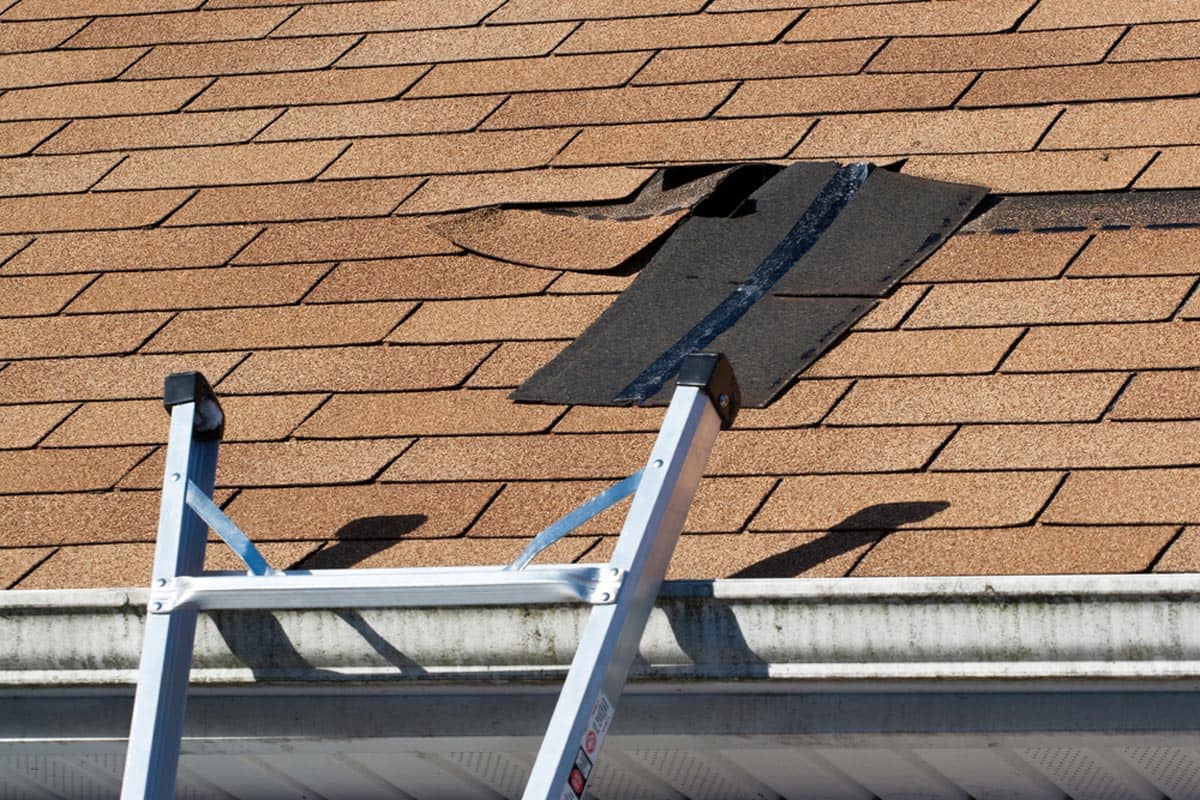
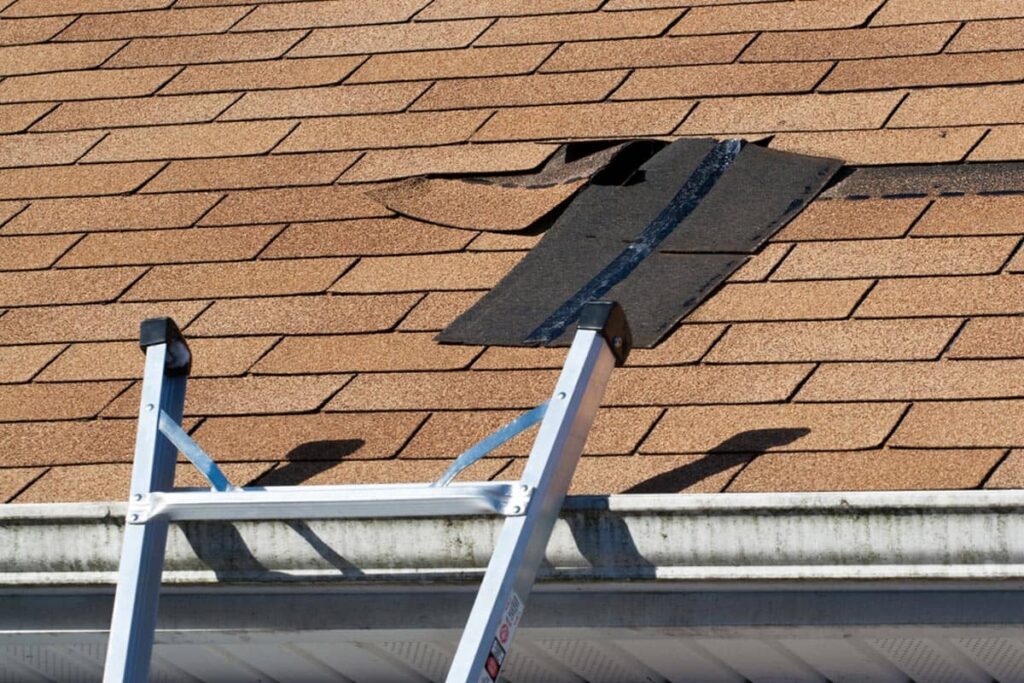
This is the most common cause of leaks. High winds, hail, or age can crack or dislodge shingles.
- Cost: $150 – $450
- Process: A roofer will lift surrounding shingles, remove the damaged one, and nail in a new piece. They will then seal the edges with roofing cement.
2. Faulty Flashing
Flashing is the metal strip used to seal joints around chimneys, vents, and valleys. When flashing corrodes or pulls away, water seeps in easily.
- Cost: $300 – $800
- Process: This requires removing old caulk, potentially removing some shingles, and installing new metal flashing. It is labor-intensive because it requires precision sealing.
3. Clogged or Damaged Gutters
Sometimes the roof isn’t the problem; the drainage system is. If gutters are clogged, water backs up under the shingles (ice dams in winter are a prime example).
- Cost: $100 – $300 for cleaning/repair; $500+ for replacement sections.
- Process: Clearing debris and resealing gutter joints. If the fascia board behind the gutter is rotted, add $200–$400 for carpentry work.
4. Vent Pipe Boots
The rubber boot around plumbing vents dries out and cracks over time, usually after 5–10 years.
- Cost: $150 – $350
- Process: Removing the old boot and sliding a new one over the pipe, secured with nails and sealant.
DIY vs. Hiring a Professional: What Should You Choose?
Many homeowners consider fixing a leak themselves to save money. While this is tempting, it carries significant risks. Here is a comparison to help you decide.
| Feature | DIY Repair | Professional Repair |
|---|---|---|
| Cost | $50 – $150 (Materials only) | $400 – $1,200+ |
| Safety | High risk of falls/injury | Insured and trained |
| Warranty | None | Usually 1–5 years on workmanship |
| Accuracy | May miss the true source | Uses moisture meters & expertise |
| Time | Weekend project | Completed in hours |
Expert Insight: According to industry standards, walking on a wet or steep roof is dangerous. If you are uncomfortable with heights or lack the proper safety harnesses, do not attempt a DIY repair. A mistake can turn a $200 problem into a $5,000 structural issue.
For context on building standards and safety regulations regarding roofing, you can refer to general construction guidelines on Wikipedia.
Step-by-Step: How Professionals Fix a Leak
If you hire a pro, here is what you should expect. Knowing the process ensures you are getting quality service.
- Inspection and Diagnosis: The contractor will inspect the attic first to trace the water trail upward. They may use a thermal imaging camera or moisture meter to pinpoint the entry point.
- Safety Setup: They will set up ladders, harnesses, and toe boards to ensure safe access to the roof surface.
- Removal of Damaged Material: The roofer carefully removes shingles, nails, and any rotted wood around the leak site.
- Repairing the Decking: If the wooden deck (sheathing) is soft or rotten, it is cut out and replaced with new plywood. This is critical for structural integrity.
- Installation of New Materials: New underlayment (waterproof barrier) is laid, followed by new shingles or flashing. Everything is nailed according to manufacturer specifications.
- Sealing and Testing: Roofing cement is applied to all seams. Finally, the roofer may perform a water test (using a hose) to ensure the leak is completely sealed before leaving.
Hidden Costs to Watch Out For
When budgeting for how much does it cost to fix leak in roof, be aware of potential hidden fees:
- Emergency Service Fees: If you need a repair on a weekend, holiday, or during a storm, expect a surcharge of 20–50%.
- Permit Fees: Some municipalities require permits for roofing repairs exceeding a certain dollar amount. This can cost $50–$200.
- Interior Restoration: The roofer fixes the roof, but they rarely fix your ceiling. Budget separately for painting, drywall patching, and carpet cleaning.
- Mold Remediation: If moisture has been present for more than 48 hours, professional mold removal may be necessary, costing $500–$2,000 depending on the spread.
FAQ Section
1. Is it cheaper to patch a roof or replace it?
Patching is almost always cheaper in the short term. However, if your roof is near the end of its lifespan (20+ years for asphalt), frequent patches become a “money pit.” If you are paying for repairs more than twice a year, a full replacement is more cost-effective long-term.
2. Does homeowners insurance cover roof leaks?
It depends on the cause. Insurance typically covers leaks caused by “sudden and accidental” events like storm damage, falling trees, or hail. It generally does not cover leaks due to lack of maintenance, wear and tear, or age. Always check your policy details.
3. How long does a roof leak repair last?
A properly executed repair should last as long as the remaining life of your roof. For example, if you replace a shingle on a 5-year-old roof, that repair should last another 15–20 years. If the surrounding shingles are brittle, the repair may only last a few years.
4. Can I fix a roof leak from the inside?
No. You can temporarily mitigate water damage from the inside by placing buckets or tarps, but you cannot stop the leak itself from the interior. Water must be stopped at the source—the exterior roof surface. Sealing from the inside traps moisture, leading to rot.
5. What is the most expensive part of fixing a roof leak?
Labor is typically the largest cost component, accounting for 60–70% of the total bill. Complex leaks that require extensive tear-off and reconstruction of the roof deck also drive up material costs.
Conclusion
Knowing how much does it cost to fix leak in roof empowers you to make smart financial decisions when disaster strikes. While minor repairs can cost as little as $400, ignoring the problem can lead to thousands in structural and interior damage. Prioritize safety, get multiple quotes, and address the root cause rather than just the symptom.
If you found this guide helpful, please share it on social media to help other homeowners navigate their roofing repairs with confidence. Stay dry and stay safe!