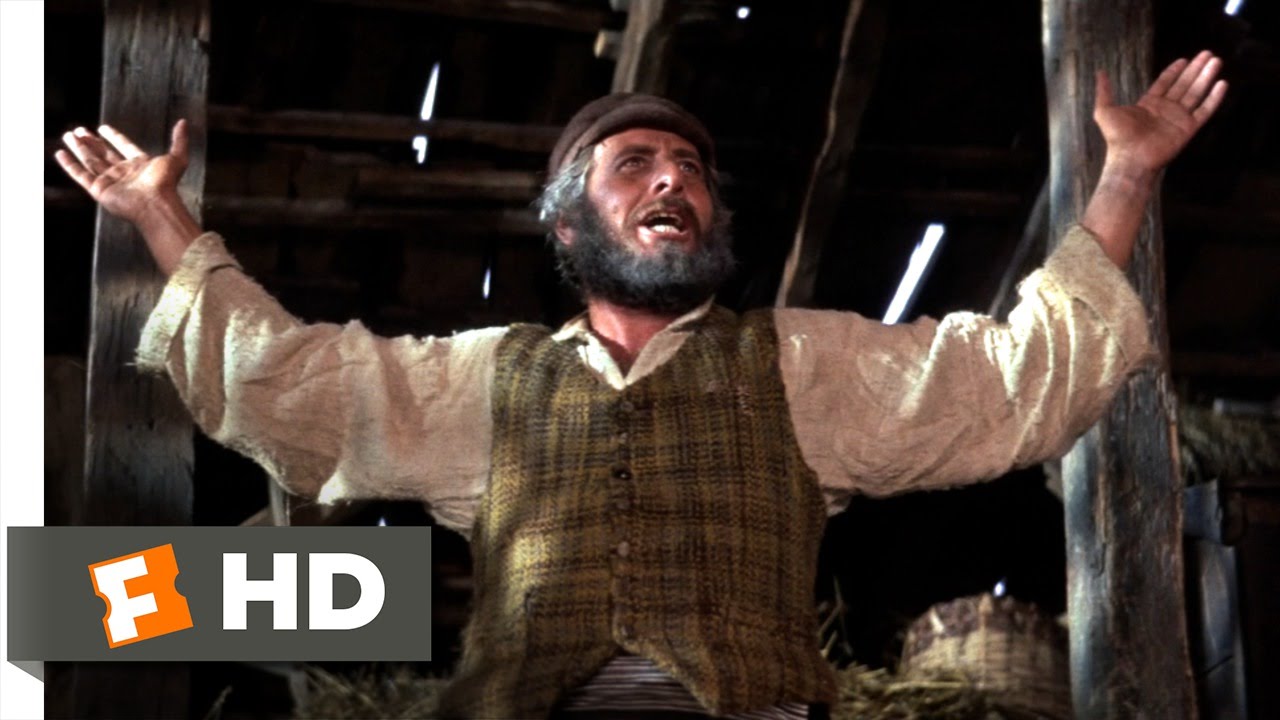
Have you ever found yourself humming a tune that perfectly captures the bittersweet irony of dreaming about wealth while being grounded in humble reality? For millions of theater lovers, that song is “If I Was A Rich Man” from Fiddler on the Roof, a masterpiece that transcends simple entertainment to become a cultural touchstone. Whether you are preparing for a school play, analyzing musical theater history, or simply curious about the story behind Tevye’s famous lament, this guide dives deep into the soul of this iconic number.
The Origin Story: More Than Just a Dream
To truly appreciate the weight of this song, we must look at its roots. Fiddler on the Roof premiered on Broadway in 1964, with music by Jerry Bock and lyrics by Sheldon Harnick. The song is performed by Tevye, the poor milkman protagonist, who imagines how his life would change if he had money. However, it is not just a wish list; it is a complex character study wrapped in humor and tradition.
The phrase “If I was a rich man” has become synonymous with theatrical brilliance. But why does it resonate so deeply with American audiences decades later? It touches on universal themes of social status, family dynamics, and the tension between tradition and modernity. According to historical records, the show ran for 3,242 performances, becoming one of the longest-running musicals in Broadway history at the time. This longevity proves that the emotional core of songs like this one strikes a chord that never fades.
For those interested in the broader historical context of the musical’s setting, you can explore the detailed background of the original stories by Sholem Aleichem on Wikipedia.
What Does “If I Was A Rich Man” Really Mean?
At first glance, the song appears to be a comedic fantasy. Tevye lists the material comforts he would enjoy: a big house, thick carpets, and servants. However, a closer look reveals a deeper psychological layer. Tevye is not just asking for money; he is asking for respect and authority within his community.
In the shtetl (village) of Anatevka, wealth correlates with influence. By singing “If I was a rich man,” Tevye is expressing his frustration with his lack of power in major family decisions, particularly regarding his daughters’ marriages. The song serves as a narrative device to show his internal conflict: he loves his family and traditions, but he feels powerless against the changing world and his own poverty.
Key Themes Explored in the Lyrics
- Social Status: Money buys entry into the synagogue’s elite circle.
- Family Authority: Wealth would allow him to dictate terms rather than negotiate.
- Irony: Despite imagining grandeur, he remains grounded in his religious duties, noting he would still pray three times a day.
Breaking Down the Iconic Lyrics
The lyrics of “If I Was A Rich Man” are a masterclass in storytelling through song. Sheldon Harnick used specific, tangible imagery to make Tevye’s dreams feel real. Let’s analyze some of the most memorable lines.
“When you’re rich, they think you really know!”
This line highlights the societal assumption that wealth equals wisdom. Tevye mocks this idea, knowing full well that money doesn’t change his fundamental nature or knowledge.
“I’d have the time that I lack to sit in the synagogue and pray.”
Here, the humor turns poignant. Tevye suggests that poverty keeps him from fulfilling his religious duties as thoroughly as he would like. It is a subtle critique of how economic struggle can impede spiritual practice, a theme that resonates with many working-class audiences.
The “Yubba Dubba Dubba” Factor
One cannot discuss this song without mentioning the nonsensical syllables: “Ya ha ha hei, ya ha ha hei, yubba dubba dubba…”. These sounds are not random. They mimic the style of Jewish liturgical chanting and folk music. This vocalization adds an authentic cultural texture to the piece, grounding the English-language musical in its Eastern European Jewish roots. It also provides a rhythmic break that allows the actor to display vocal versatility and emotional range.
Performance Tips: How to Sing It Like Tevye
If you are an actor or singer preparing to perform this number, understanding the technical and emotional requirements is crucial. Here is a step-by-step approach to mastering the song.
- Understand the Character’s Voice: Tevye is not a polished opera singer. His voice should sound earthy, warm, and slightly rough around the edges. Avoid overly perfect vibrato; aim for authenticity.
- Master the Rhythm: The song shifts between conversational speech-like verses and more melodic choruses. Practice the transition smoothly. The tempo should feel like a natural thought process speeding up with excitement.
- Use Gestures: In the stage version, Tevye uses his hands to emphasize the size of his hypothetical house or the height of his candles. Incorporate physicality to enhance the storytelling.
- Embrace the Humor: Deliver the lines with a wink. The audience should laugh with Tevye, not at him. His self-deprecation is charming, not pathetic.
Comparison: Stage Version vs. Film Version
| Feature | Original Broadway (1964) | Film Adaptation (1971) |
|---|---|---|
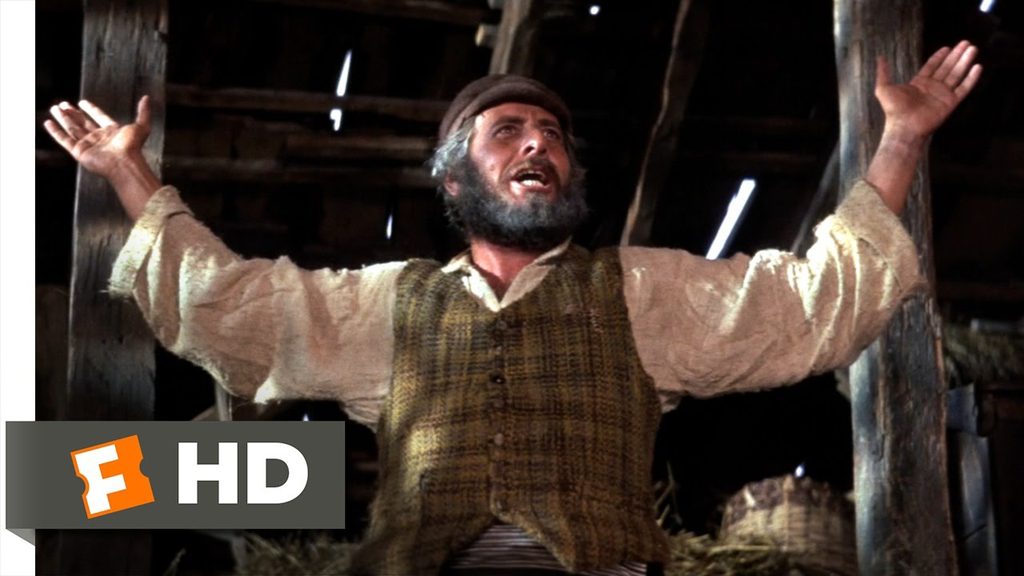
| Performer | Zero Mostel | Topol |
| Tone | More comedic, vaudevillian | More grounded, cinematic |
| Setting | Minimalist stage set | Realistic outdoor village |
| Vocal Style | Theatrical projection | Intimate, microphone-assisted |
Both interpretations are valid, but they offer different insights. Zero Mostel’s version is larger-than-life, while Topol’s brings a gritty realism that aligns with the film’s visual style.
Why This Song Remains Relevant Today
Decades after its debut, “If I Was A Rich Man” continues to be covered, referenced, and performed. Its relevance lies in its timeless exploration of economic anxiety. In an era where wealth inequality is a prominent social issue, Tevye’s longing for financial security feels more relatable than ever.
Moreover, the song has permeated pop culture. It has been sampled in hip-hop tracks, referenced in TV shows, and parodied in comedy sketches. This cultural endurance proves that the song is not just a relic of the past but a living piece of art that adapts to new contexts.
Expert Insight
Musical theater critics often cite this song as one of the greatest “I Want” songs in history. An “I Want” song is a staple of musical theater where the protagonist expresses their deepest desire. Unlike other songs that might focus on romance or adventure, Tevye’s desire is deeply personal and sociological, making it unique in the canon.
FAQ Section
1. Who wrote the lyrics for “If I Was A Rich Man”?
The lyrics were written by Sheldon Harnick, with music composed by Jerry Bock. Together, they created the score for Fiddler on the Roof, which won the Tony Award for Best Musical in 1965.
2. What is the correct grammar: “If I Was” or “If I Were”?
Technically, in formal subjunctive mood, it should be “If I Were a Rich Man.” However, the title and lyrics use “Was” to reflect Tevye’s colloquial, everyday speech pattern. This choice makes the character feel more authentic and accessible to the audience.
3. Is “If I Was A Rich Man” based on a true story?
While Tevye is a fictional character created by author Sholem Aleichem, the stories are based on the real experiences of Jewish communities in Tsarist Russia. The struggles with poverty and tradition depicted in the song reflect historical realities faced by many families in the late 19th and early 20th centuries.
4. Can I use this song for my school audition?
Yes, it is a popular choice for male auditions, particularly for roles requiring character acting and vocal range. However, ensure you understand the cultural context and treat the material with respect. It is important to capture the humor without resorting to stereotypes.
5. What key is the song typically sung in?
The original Broadway version is often performed in keys that suit the actor’s range, commonly starting in a lower register and building up. For sheet music, it is frequently available in keys like C Major or D Major, but transpositions are common to fit individual vocal types.
Conclusion
“If I Was A Rich Man” from Fiddler on the Roof is far more than a catchy tune. It is a profound exploration of human desire, social structure, and cultural identity. Through Tevye’s eyes, we see the universal struggle between what we have and what we dream of having. Whether you are a performer, a student, or a fan of musical theater, understanding the depth of this song enriches your appreciation of one of Broadway’s greatest treasures.
Did this article help you understand the significance of this classic song? Share this post with your fellow theater enthusiasts on social media and keep the legacy of Fiddler on the Roof alive!
Leave a Reply