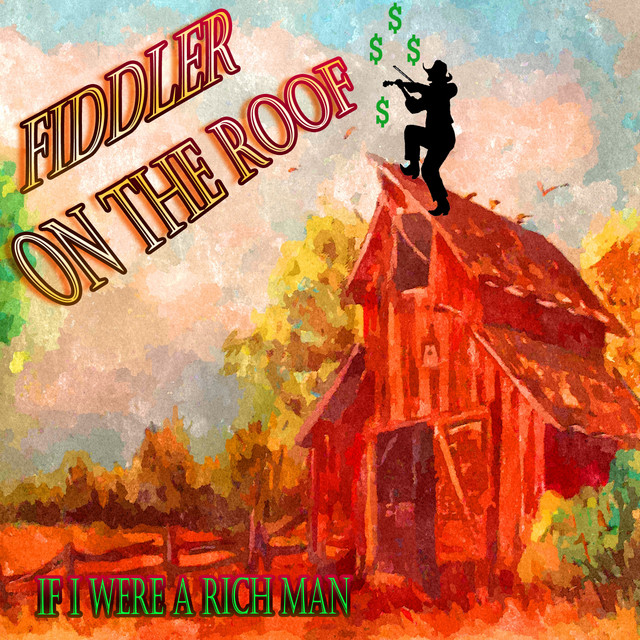
Have you ever found yourself humming a tune that perfectly captures the bittersweet humor of dreaming big while stuck in humble circumstances? For millions of theater lovers, that tune is “Fiddler On The Roof If I Were A Rich Man,” a masterpiece that transcends its Broadway origins to become a universal anthem of aspiration and irony. Whether you are a student analyzing the lyrics, a performer preparing for an audition, or simply a fan of classic musicals, understanding the depth behind this song enriches your appreciation of one of America’s greatest theatrical works.
In this guide, we will dive deep into the origins, lyrical analysis, and cultural impact of this iconic number. We will explore why it resonates so strongly with audiences decades after its debut and how it defines the character of Tevye the Dairyman.
The Origins of a Broadway Classic
To truly understand the weight of “Fiddler On The Roof If I Were A Rich Man,” we must look at the creative minds behind it. The musical Fiddler on the Roof, which premiered in 1964, was based on Sholem Aleichem’s stories about Tevye the Dairyman. The book was written by Joseph Stein, with music by Jerry Bock and lyrics by Sheldon Harnick.
The song was specifically crafted for Zero Mostel, the original actor who played Tevye. Mostel was known for his comedic timing and physical expressiveness. Harnick and Bock wrote the song not just as a ballad, but as a character study. It needed to show Tevye’s warmth, his frustration with poverty, and his deep-rooted traditionalism, all wrapped in a humorous package.
According to theater historians, the song’s structure was designed to allow Mostel to improvise and engage with the audience. The famous “Ya ha deedle deedle, bubble bubble bubble” section was inspired by Jewish liturgical chanting (cantillation), adding a layer of authentic cultural texture to the fantasy. This blend of sacred tradition and secular desire is what makes the song so unique.
For more detailed historical context on the production, you can refer to the comprehensive overview on Wikipedia.
What Does “If I Were A Rich Man” Really Mean?
At first glance, the song seems like a simple wish list for wealth. Tevye imagines having a big house, cows, and leisure time. However, the deeper meaning lies in what he doesn’t want to change.
The Irony of Wealth
Tevye does not want to become a different person. He explicitly states that he would still keep his beard, his traditions, and his place in the community. The lyric “I’d have the time that I lack to sit in the synagogue and pray” highlights that his current poverty prevents him from fulfilling his religious duties as thoroughly as he would like.
This is a crucial distinction. In many Western narratives, wealth is associated with freedom from tradition or moral compromise. For Tevye, wealth is viewed as a tool that would allow him to be more devout and more generous. It is a humble ambition. He doesn’t dream of palaces; he dreams of comfort and the ability to help others.
Key Lyrical Breakdown
Let’s look at the specific desires Tevye lists, which reveal his character:
- A Big House: Not a mansion, but a home with “a third floor” and “a real wooden floor below.” This signifies stability and safety for his large family.
- Leisure Time: He wants time to read holy books and discuss them with scholars. This shows his intellectual and spiritual priorities.
- Status Symbols: He mentions having a “roof over my head” and “more room underneath.” In the context of Anatevka, where families often lived in cramped conditions, space was the ultimate luxury.
Why Is This Song So Popular in Auditions?
If you browse casting calls or vocal coach recommendations, you will frequently see “Fiddler On The Roof If I Were A Rich Man” listed as a top choice for male baritones. But why is it such a staple?
1. Character Range
The song requires an actor to display a wide emotional range. It starts with a conversational, almost complaining tone, moves into a joyful fantasy, and ends with a return to reality. Casting directors love it because it tests both acting and singing abilities simultaneously.
2. Vocal Accessibility
While it requires a strong baritone voice, the melody is rhythmic and speech-like in many sections. This makes it accessible for actors who may not have operatic training but possess strong character voices. The “deedle deedle” section allows for personal interpretation, letting the performer showcase their unique style.
3. Cultural Recognition
Everyone knows this song. Performing it creates an instant connection with the audience. However, this is also a trap. Because it is so well-known, any lack of authenticity or poor acting choices are immediately obvious. It requires a nuanced performance to avoid sounding like a caricature.
Performance Tips: How to Sing It Like a Pro
Whether you are performing this in a school play, a community theater production, or just for fun, here are some technical tips to elevate your rendition.
Step-by-Step Performance Guide
- Understand the Rhythm: The song uses a distinct 7/8 time signature in parts, influenced by Klezmer music. Do not rush the beat. Let the rhythm drive the humor.
- Master the Cantillation: The “Ya ha deedle deedle” section is not random scatting. It mimics the Torah reading style. Listen to recordings of Jewish cantors to get the flavor right. It should sound reverent yet playful.
- Physicality is Key: Tevye is a laborer. Use your body. When he talks about lifting heavy loads, show the strain. When he imagines being rich, relax your posture. The contrast tells the story.
- Eye Contact: Engage with your “community.” In the show, Tevye is talking to God and his neighbors. Make the audience feel like they are part of his village.
Common Mistakes to Avoid
| Mistake | Correction |
|---|---|
| Singing too seriously | Remember, it’s a comedic fantasy. Keep it light and ironic. |
| Ignoring the lyrics | Don’t just focus on the “deedle” part. The verses contain the character’s heart. |
| Rushing the tempo | Allow pauses for laughter and emphasis. Silence is powerful here. |
| Overacting | Subtlety works better. Let the lyrics do the work rather than exaggerated facial expressions. |
The Cultural Impact of “If I Were A Rich Man”
Decades after its premiere, the song remains relevant. It has been covered by countless artists, from Sammy Davis Jr. to Topol in the 1971 film adaptation. The phrase “If I were a rich man” has entered the English lexicon as a shorthand for hypothetical daydreaming.
The song also serves as a poignant reminder of the Jewish experience in Eastern Europe. It captures the resilience of a community that found joy and humor despite persecution and poverty. When we sing along, we are participating in a cultural preservation act, keeping the memory of Anatevka alive.
In modern times, the song is often referenced in political discourse and economic debates. It highlights the universal human desire for financial security without losing one’s identity. This duality ensures that “Fiddler On The Roof If I Were A Rich Man” will continue to resonate with new generations.
FAQ Section
1. Who wrote the lyrics for “If I Were A Rich Man”?
The lyrics were written by Sheldon Harnick, with music composed by Jerry Bock. They were part of the creative team for the original 1964 Broadway production of Fiddler on the Roof.
2. What is the meaning of “Ya ha deedle deedle, bubble bubble bubble”?
This phrase is a vocalization that mimics Jewish liturgical chanting (cantillation). It represents Tevye’s connection to his faith and tradition, even in his fantasy of wealth. It adds an authentic cultural layer to the song.
3. Is “If I Were A Rich Man” difficult to sing?
It is moderately challenging. It requires a baritone range and strong acting skills. The difficulty lies not just in hitting the notes, but in conveying the character’s humor, irony, and warmth. The rhythmic complexity also requires good timing.
4. What is the time signature of the song?
The song primarily uses a 7/8 time signature, which is common in Klezmer and Eastern European folk music. This gives the song its distinctive, slightly uneven, and dance-like rhythm.
5. Did Zero Mostel improvise parts of the song?
Yes, Zero Mostel was known for his improvisational skills. While the core lyrics and melody were fixed by Harnick and Bock, Mostel added physical comedy and nuanced deliveries that became definitive to the role. Later actors often incorporate their own interpretations of these mannerisms.
6. How long is the song “If I Were A Rich Man”?
The duration varies by performance, but the original cast recording version is approximately 3 minutes and 30 seconds. Stage performances may be longer depending on the actor’s pacing and audience interaction.
Conclusion
“Fiddler On The Roof If I Were A Rich Man” is more than just a catchy tune from a classic musical. It is a profound character study that explores the intersection of faith, poverty, and human aspiration. Through its clever lyrics, distinctive rhythm, and emotional depth, it continues to captivate audiences around the world.
Whether you are analyzing it for academic purposes, preparing for an audition, or simply enjoying the magic of Broadway, this song offers endless layers of meaning. It reminds us that while wealth may change our circumstances, it does not have to change who we are.
Did you enjoy this deep dive into one of Broadway’s greatest songs? Share this article with your fellow theater enthusiasts on social media, or leave a comment below with your favorite lyric from the song! Let’s keep the spirit of Anatevka alive together.
Leave a Reply