Finding a strange bump in your mouth can be alarming. You might run your tongue over the roof of your mouth and feel something that wasn’t there yesterday. It raises immediate questions about your health and safety. If you are asking, “What is this lump on the roof of my mouth,” you are not alone. Many people experience this issue, and while it often looks scary, the cause is usually benign and temporary.
In this guide, we will explore the most common reasons for these lumps, how to treat them at home, and clear signs that indicate you need professional medical attention. We aim to provide accurate, empathetic, and actionable advice to help you find relief and peace of mind.
Common Causes of Lumps on the Roof of the Mouth
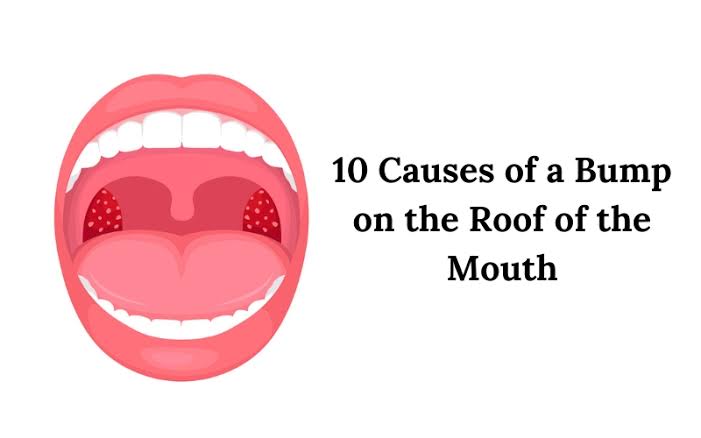
The roof of your mouth, known medically as the palate, is divided into two sections: the hard palate (front) and the soft palate (back). Lumps can appear on either section due to various factors. Understanding the root cause is the first step toward effective treatment.
1. Canker Sores (Aphthous Ulcers)
Canker sores are small, shallow lesions that develop on the soft tissues in your mouth or at the base of your gums. Unlike cold sores, they don’t occur on the surface of your lips and aren’t contagious.
- Appearance: White or yellow center with a red border.
- Sensation: Painful, especially when eating spicy or acidic foods.
- Duration: Typically heal within one to two weeks without scarring.
According to dental health statistics, up to 20% of the general population suffers from recurrent canker sores. Stress, minor injury to the inside of your mouth, or food sensitivities often trigger them.
2. Mucocele (Mucus Cyst)
A mucocele is a fluid-filled swelling that occurs when a salivary gland becomes blocked or damaged. These are very common on the roof of the mouth and inside the cheeks.
- Appearance: Clear, bluish, or pinkish dome-shaped bump.
- Sensation: Usually painless but can feel uncomfortable if large.
- Cause: Often results from accidentally biting your cheek or palate.
Most mucoceles rupture and heal on their own. However, if they persist, a dentist may need to remove them surgically.
3. Torus Palatinus
This is a bony growth on the hard palate. It is a genetic trait and is completely harmless.
- Appearance: Hard, immovable lump in the center of the roof of the mouth.
- Sensation: Painless and grows very slowly over years.
- Prevalence: Affects approximately 20-30% of the population.
If you have had this lump for a long time and it hasn’t changed shape or caused pain, it is likely a torus palatinus. No treatment is necessary unless it interferes with denture fitting.
4. Oral Thrush (Candidiasis)
Oral thrush is a fungal infection caused by an overgrowth of Candida alb yeast. It is more common in infants, the elderly, and individuals with weakened immune systems.
- Appearance: Creamy white lesions that can be wiped away, sometimes leaving a red, raw area.
- Sensation: Cotton-like feeling in the mouth, loss of taste, or cracking at the corners of the mouth.
Antifungal medications prescribed by a doctor typically clear up the infection within a few days.
5. Burn from Hot Food
We have all done it—taken a bite of pizza or coffee that was just too hot. Thermal burns can cause blistering on the sensitive tissue of the palate.
- Appearance: Reddened area or a fluid-filled blister.
- Sensation: Stinging pain and tenderness.
- Healing: The mouth heals quickly; most burns resolve within 3–7 days.
When Should You Worry? Red Flags to Watch For
While most lumps are harmless, some symptoms require immediate professional evaluation. Use this checklist to assess your situation:
| Symptom | Potential Concern | Action Required |
|---|---|---|
| Lump persists > 2 weeks | Chronic issue or tumor | See a dentist/doctor |
| Rapid growth | Aggressive pathology | Immediate consultation |
| Bleeding without cause | Vascular issue or cancer | Urgent medical review |
| Difficulty swallowing/breathing | Airway obstruction | Emergency care |
| Numbness in face/mouth | Nerve involvement | Specialist referral |
If you notice any of these red flags, do not wait. Early detection is crucial for effective treatment of serious conditions like oral cancer. For more detailed information on oral health conditions, you can refer to reputable sources such as Wikipedia’s page on Oral Cancer to understand the broader context of oral pathologies.
How to Treat a Lump on the Roof of Your Mouth at Home
If your lump is minor and likely caused by a burn, canker sore, or mild irritation, you can manage it with simple home remedies. Here is a step-by-step approach to promote healing:
- Salt Water Rinse: Mix 1 teaspoon of salt in 8 ounces of warm water. Swish gently for 30 seconds, then spit out. Repeat 2–3 times daily. This reduces inflammation and keeps the area clean.
- Avoid Irritants: Stay away from spicy, acidic, or crunchy foods that can aggravate the lump. Opt for soft, cool foods like yogurt, applesauce, or smoothies.
- Maintain Oral Hygiene: Brush gently with a soft-bristled toothbrush. Use an alcohol-free mouthwash to avoid stinging.
- Apply Honey: Manuka honey has natural antibacterial properties. Dab a small amount directly on the lump (if it’s an ulcer) to speed up healing.
- Stay Hydrated: Drink plenty of water to keep your mouth moist and support overall tissue repair. Aim for at least 2 liters of water per day.
Note: Do not attempt to pop or drain any lump yourself. This can introduce bacteria and lead to serious infection.
Professional Treatment Options
If home remedies do not work, or if the lump is diagnosed as a specific condition, your healthcare provider may recommend the following treatments:
- Prescription Medication: For oral thrush, antifungal lozenges or liquids are standard. For severe canker sores, topical corticosteroids may be prescribed.
- Minor Surgery: Persistent mucoceles or large torus palatinus that interfere with eating may require surgical removal. This is typically a quick outpatient procedure.
- Biopsy: If a lump looks suspicious, a dentist or oral surgeon will take a small tissue sample for laboratory analysis. This is the only way to definitively rule out cancer.
FAQ Section
1. Can stress cause lumps on the roof of my mouth?
Yes, indirectly. Stress weakens the immune system, making you more susceptible to canker sores and oral thrush. Additionally, stress can lead to habits like cheek biting, which may cause mucoceles.
2. Is a lump on the roof of my mouth always cancer?
No. The vast majority of lumps are benign, such as canker sores, mucoceles, or torus palatinus. Oral cancer is rare compared to these common conditions. However, any lump that persists for more than two weeks should be checked by a professional.
3. How long does it take for a burn blister on the palate to heal?
Minor thermal burns usually heal within 3 to 7 days. The mouth has a rich blood supply, which promotes rapid healing. Avoid hot foods during this period to prevent re-injury.
4. Can allergies cause lumps in the mouth?
Yes. Allergic reactions to certain foods, dental materials, or oral hygiene products can cause swelling or hives in the mouth. This is often accompanied by itching or tingling. If you suspect an allergy, identify and avoid the trigger.
5. What is the difference between a canker sore and a cold sore?
Canker sores occur inside the mouth and are not contagious. Cold sores (caused by the herpes simplex virus) usually appear on the lips or outside the mouth and are highly contagious. You cannot get a cold sore on the roof of your mouth, but you can get a canker sore there.
Conclusion
Discovering a lump on the roof of your mouth can be unsettling, but remember that most causes are minor and temporary. Whether it’s a simple burn from hot pizza, a stressful canker sore, or a harmless bony growth like torus palatinus, understanding the cause helps you take the right steps.
Key Takeaways:
- Most lumps heal on their own within two weeks.
- Maintain good oral hygiene and use salt water rinses for relief.
- Monitor for red flags like persistent growth, bleeding, or difficulty swallowing.
- Consult a dentist if the lump does not improve after 14 days.
Your oral health is a window into your overall well-being. Don’t ignore persistent changes. If you found this guide helpful, please share it with friends and family who might benefit from this information. Stay informed, stay healthy, and keep smiling!
Leave a Reply