Have you ever run your tongue over the roof of your mouth and felt a strange, unexpected bump? It can be alarming to discover a new texture or protrusion in such a sensitive area, leading to immediate questions about your health. If you are asking yourself, “What is the lump in the roof of my mouth,” you are not alone; this is a very common concern that ranges from minor irritations to conditions requiring professional attention.
In this guide, we will explore the most likely culprits behind these lumps, help you distinguish between harmless annoyances and serious issues, and provide clear steps on how to manage them. Our goal is to empower you with accurate, empathetic information so you can make informed decisions about your oral health.
Common Causes of Lumps on the Palate
The roof of your mouth, known medically as the palate, is divided into two sections: the hard palate at the front and the soft palate at the back. Lumps can appear on either section, and their cause often depends on their location, texture, and accompanying symptoms. Understanding the root cause is the first step toward effective treatment.
1. Thermal Burns (Pizza Palate)
One of the most frequent causes of a lump or blister on the roof of the mouth is a thermal burn. This occurs when you eat food or drink liquids that are too hot. The delicate tissue of the hard palate is easily damaged by high temperatures, leading to inflammation, blistering, or a rough patch that feels like a lump.
- Symptoms: Tenderness, redness, a blister that may burst, and a raw feeling.
- Healing Time: Typically 3–7 days.
- Common Triggers: Hot cheese on pizza, fresh coffee, or soup.
2. Canker Sores (Aphthous Ulcers)
While canker sores are more common on the inner cheeks or gums, they can occasionally develop on the soft palate. These are small, shallow lesions that can be quite painful. Unlike cold sores, they are not contagious and are not caused by the herpes virus.
- Appearance: White or yellow center with a red border.
- Triggers: Stress, minor injury, acidic foods, or vitamin deficiencies.
3. Oral Mucoceles
A mucocele is a fluid-filled cyst that forms when a salivary gland becomes blocked or damaged. While they are more common on the lower lip, they can appear on the roof of the mouth, particularly if you have a habit of biting or sucking on your palate.
- Texture: Soft, movable, and often translucent or bluish.
- Pain Level: Usually painless unless irritated.
4. Torus Palatinus
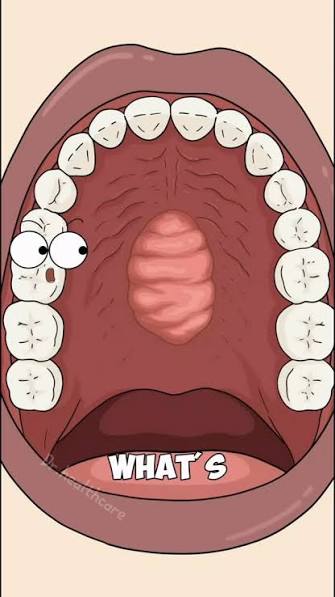
If the lump is hard, bony, and located in the center of the hard palate, it might be a torus palatinus. This is a benign bony growth that develops slowly over time. It is genetic and affects about 20-30% of the population.
- Characteristics: Hard, immovable, and covered by normal gum tissue.
- Concern Level: Generally harmless and requires no treatment unless it interferes with denture fitting.
5. Nasopalatine Duct Cyst
This is a rare non-odontogenic cyst that develops in the midline of the anterior hard palate. It originates from remnants of the nasopalatine duct. While often asymptomatic, it can become infected or grow large enough to cause swelling.
- Diagnosis: Requires X-ray or CT scan for confirmation.
- Treatment: Surgical removal if symptomatic.
When Should You Be Concerned?
While most lumps are benign, it is crucial to recognize the signs that indicate a more serious underlying condition. Oral cancer, though less common, can present as a lump, sore, or patch on the roof of the mouth. Early detection is key to successful treatment.
According to the American Cancer Society, risk factors for oral cancer include tobacco use, heavy alcohol consumption, and HPV infection. If you have any of these risk factors, you should be extra vigilant.
Red Flags to Watch For:
- A lump that does not heal within two weeks.
- Unexplained bleeding from the lump.
- Difficulty swallowing or moving the jaw.
- Numbness in the mouth or lips.
- Persistent ear pain on one side.
- White or red patches that do not wipe away.
If you experience any of these symptoms, schedule an appointment with a dentist or oral surgeon immediately. Do not wait for the lump to go away on its own.
Home Remedies and Self-Care Strategies
For minor lumps caused by burns, canker sores, or mild irritation, you can often manage the discomfort at home while the tissue heals. Here are some effective, evidence-based strategies to promote healing and reduce pain.
Step-by-Step Care for Minor Oral Lumps
- Rinse with Salt Water: Mix 1/2 teaspoon of salt in 8 ounces of warm water. Swish gently for 30 seconds and spit out. Repeat 2–3 times a day. This helps reduce inflammation and keeps the area clean.
- Avoid Irritants: Stay away from spicy, acidic, or crunchy foods that can aggravate the lump. Opt for soft, cool foods like yogurt, applesauce, or smoothies.
- Stay Hydrated: Drink plenty of water to keep your mouth moist. A dry mouth can slow down the healing process and increase discomfort.
- Use Over-the-Counter Gels: Products containing benzocaine can provide temporary pain relief. Apply directly to the lump as directed on the package.
- Apply Cold Compresses: If the lump is due to a burn, sucking on ice chips or eating cold foods can numb the area and reduce swelling.
Comparison: Home Care vs. Professional Treatment
| Feature | Home Care | Professional Treatment |
|---|---|---|
| Best For | Minor burns, small canker sores, mild irritation | Persistent lumps, cysts, infections, suspected cancer |
| Cost | Low | Varies (insurance may cover) |
| Timeframe | Immediate relief, healing in 1-2 weeks | Diagnosis in 1 visit, treatment varies |
| Effectiveness | Symptom management | Curative for underlying issues |
Frequently Asked Questions (FAQ)
1. Can a lump on the roof of my mouth be cancer?
Yes, although it is rare. Most lumps are benign, such as cysts or burns. However, any lump that persists for more than two weeks, bleeds easily, or grows rapidly should be evaluated by a healthcare professional to rule out oral cancer.
2. How long does it take for a burn on the roof of the mouth to heal?
Minor thermal burns usually heal within 3 to 7 days. The body regenerates the oral mucosa quickly due to its rich blood supply. If the burn is severe or shows signs of infection (pus, increased redness, fever), seek medical advice.
3. What is a torus palatinus, and is it dangerous?
A torus palatinus is a bony growth on the hard palate. It is not dangerous and is considered a normal anatomical variation for many people. It typically does not require treatment unless it causes discomfort or interferes with dental appliances like dentures.
4. Can allergies cause lumps in the mouth?
Allergies can cause swelling in the mouth, including the roof. This is often part of a broader allergic reaction known as oral allergy syndrome. If you suspect allergies, identify and avoid the trigger, and consider antihistamines if recommended by your doctor.
5. Should I pop a blister on the roof of my mouth?
No, you should never pop a blister or lump in your mouth. Doing so can introduce bacteria, leading to infection, and delay the healing process. Let it heal naturally or consult a dentist if it is painful or persistent.
6. What specialist should I see for a mouth lump?
Start with your general dentist. They can examine the lump and determine if it is benign. If further evaluation is needed, they may refer you to an oral surgeon or an otolaryngologist (ENT specialist).
Conclusion
Discovering a lump on the roof of your mouth can be unsettling, but in the majority of cases, it is a harmless condition such as a burn, canker sore, or benign cyst. By understanding the common causes and monitoring your symptoms, you can effectively manage minor issues at home. However, always prioritize your health by seeking professional evaluation if the lump persists, changes, or causes significant discomfort.
Remember, your oral health is a window into your overall well-being. Regular dental check-ups and self-examinations are your best defenses against serious conditions. If you found this article helpful, please share it with friends and family who might benefit from this information. Stay informed, stay healthy, and keep smiling!
Leave a Reply