Have you ever found yourself humming a tune that perfectly captures the bittersweet humor of dreaming big while stuck in humble circumstances? For millions of theater lovers, that song is “If I Were A Rich Man” from Fiddler on the Roof, a masterpiece that transcends mere entertainment to become a cultural touchstone. In this article, we will explore the deep roots, lyrical genius, and enduring legacy of this iconic number, helping you appreciate it beyond just the catchy melody.
The Origins of a Broadway Classic
To truly understand the weight of this song, we must look at where it came from. Fiddler on the Roof premiered on Broadway in 1964, based on the stories of Sholem Aleichem about Jewish life in Tsarist Russia. The musical was a collaboration between composer Jerry Bock and lyricist Sheldon Harnick, with book writer Joseph Stein.
The song “If I Were A Rich Man” is not just a random insertion; it is the emotional anchor for the protagonist, Tevye the Dairyman. It appears early in the first act, setting the stage for the central conflict of the show: the tension between tradition and change, and the struggle for survival in a changing world.
Who Wrote “If I Were A Rich Man”?
The creative duo behind the song is legendary. Jerry Bock composed the music, drawing heavily on Jewish folk melodies and klezmer influences. Sheldon Harnick wrote the lyrics, which are celebrated for their wit, humility, and profound humanity.
Harnick’s lyrics are particularly notable because they avoid simple greed. Instead, Tevye’s dreams are modest and deeply human. He doesn’t dream of palaces; he dreams of leisure, respect, and the ability to help his community. This nuance is what separates the song from typical “I want” songs in musical theater.
Decoding the Lyrics: More Than Just Money
When we analyze the text of “If I Were A Rich Man” from Fiddler on the Roof, we see a character study rather than a fantasy of opulence. Tevye lists specific, tangible changes that wealth would bring to his daily life.
Key Lyrical Themes
- Leisure and Rest: Tevye sings about not having to work hard every day. “When you’re rich, they think you really know!” implies that wealth brings an unearned respect and ease.
- Community Status: He imagines being a man of importance, someone whose opinions matter. “I’d have the time that I lack to sit in the synagogue and pray.” This highlights his piety and desire for spiritual connection, which poverty often interrupts due to the need to work.
- Family Security: His thoughts turn to his wife, Golde, and his daughters. He wants to provide them with comfort and better marriage prospects, reflecting the parental concerns of the era.
Expert Insight: Theater critics often note that Harnick’s lyrics use Yiddish-inflected English rhythms, which adds authenticity and warmth. The phrase “Ya ha deedle deedle deedle” is not just nonsense syllables; it mimics the sound of klezmer clarinet and violin improvisations, grounding the song in its cultural context.
The Cultural Impact and Legacy
Since its debut, “If I Were A Rich Man” from Fiddler on the Roof has been covered by countless artists, from Topol in the original cast to Harvey Fierstein in the 2004 revival. Its influence extends beyond Broadway into pop culture, appearing in films, TV shows, and even political commentary.
Why Does It Resonate Today?
The song’s themes are universal. Everyone, regardless of background, understands the desire for financial security and the frustration of working hard without seeing proportional rewards. In times of economic uncertainty, Tevye’s whimsical yet poignant daydreams feel more relevant than ever.
According to the Internet Broadway Database, Fiddler on the Roof ran for 3,242 performances on Broadway, making it one of the longest-running shows in history. A significant part of this longevity is attributed to the strength of its score, with “If I Were A Rich Man” being the standout number.
| Aspect | Original 1964 Production | 2004 Revival | 2022 Revival |
|---|---|---|---|
| Tevye Actor | Zero Mostel | Harvey Fierstein | Steven Skybell |
| Interpretation | Comedic, Boisterous | Nuanced, Vulnerable | Grounded, Traditional |
| Critical Reception | Instant Classic | Tony Award Winner | Mixed but Respectful |
This table shows how different actors have brought their own flavor to the role, yet the song remains the constant heartbeat of the show.
Performance Analysis: How to Sing It Well
For performers or karaoke enthusiasts looking to tackle “If I Were A Rich Man” from Fiddler on the Roof, understanding the vocal demands is crucial. It is not just about hitting the notes; it is about conveying character.
Step-by-Step Guide to Mastering the Song
- Understand the Character: Tevye is a poor dairyman. He is tired, wise, and humorous. Do not sing it like a pop star; sing it like a man who has worked hard all his life.
- Master the Rhythm: The song has a distinct klezmer rhythm. Practice the “Ya ha deedle” sections with a light, bouncing feel. Keep your tempo steady but flexible.
- Articulate the Lyrics: Harnick’s lyrics are dense with meaning. Enunciate clearly so the audience catches the humor and the pathos. Pay special attention to the Yiddish-inflected phrases.
- Use Dynamic Contrast: Start softly and introspectively. Build volume and energy as Tevye’s imagination takes flight. Pull back slightly for the more reflective lines about prayer and family.
- Engage the Audience: Make eye contact. Share the joke. Tevye is talking to us, inviting us into his daydream.
Pro Tip: Listen to Zero Mostel’s original recording. Notice how he uses pauses and spoken-word elements within the singing. This conversational style is key to the song’s charm.
Frequently Asked Questions (FAQ)
What is the main message of “If I Were A Rich Man”?
The main message is not about greed, but about the human desire for dignity, rest, and the ability to care for one’s family. It highlights the contrast between material wealth and spiritual/emotional richness.
Who originally sang “If I Were A Rich Man” in Fiddler on the Roof?
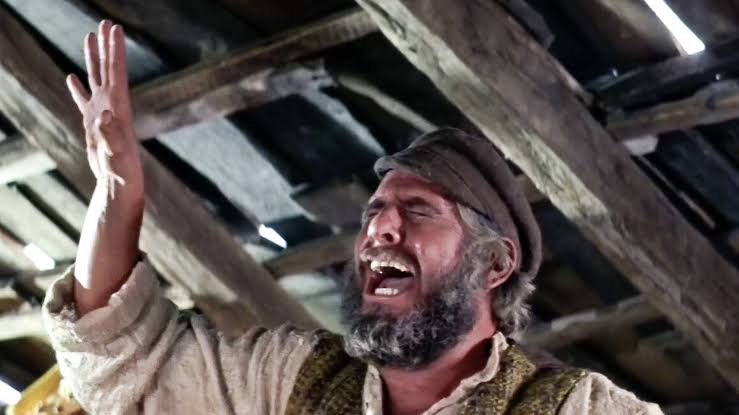
Zero Mostel originated the role of Tevye on Broadway in 1964 and delivered the definitive performance of the song. Chaim Topol performed it in the London production and the 1971 film adaptation.
Is “If I Were A Rich Man” based on a real person?
While Tevye is a fictional character created by Sholem Aleichem, he is based on the archetypal Jewish dairyman of late 19th-century Ukraine. The struggles and dreams expressed in the song reflect the real experiences of many Jewish families during that period.
How long is the song “If I Were A Rich Man”?
The standard stage version of the song runs approximately 3 to 4 minutes, depending on the performer’s pacing and any orchestral extensions.
Can I use “If I Were A Rich Man” for my school project?
Yes, but ensure you comply with copyright laws. For educational purposes, short excerpts are generally acceptable under fair use, but always cite your sources. For public performances, you may need licensing from the rights holder, Music Theatre International (MTI).
What instrument is featured prominently in the song?
The violin (or fiddle) is central to the musical identity of Fiddler on the Roof. In “If I Were A Rich Man,” the orchestration often features clarinet and violin solos that mimic klezmer music, especially during the instrumental breaks.
Conclusion
“If I Were A Rich Man” from Fiddler on the Roof is more than just a show tune; it is a window into the soul of a character and a culture. Through Sheldon Harnick’s witty lyrics and Jerry Bock’s evocative music, we are invited to share Tevye’s dreams, frustrations, and hopes. Its enduring popularity is a testament to its universal themes and artistic excellence.
Whether you are a longtime fan of Broadway or new to the world of musical theater, taking the time to appreciate this song enriches your understanding of the genre. So, the next time you hear those familiar “deedle deedle” sounds, remember the depth behind the melody.
Did this article deepen your appreciation for this classic song? Share it with your fellow theater lovers on social media and let’s keep the legacy of Fiddler on the Roof alive!
Leave a Reply