Tag: Small House Roofing

  • Roof Replacement Cost: 1000 Sq Ft Guide

    Roof Replacement Cost: 1000 Sq Ft Guide

    Replacing a roof is one of the most significant home maintenance investments you will ever make. It protects your family, your belongings, and your property value from the elements. If you are staring at aging shingles or dealing with leaks, you are likely asking the critical question: how much to replace roof on 1000 sq ft house?

    The answer isn’t a single number, but rather a range influenced by materials, location, and labor. For a standard 1,000-square-foot home in the United States, you can generally expect to pay between $4,500 and $12,000 for a complete replacement using basic asphalt shingles. However, premium materials or complex roof structures can push this cost significantly higher. This guide breaks down every factor so you can budget with confidence.

    Understanding the True Cost Breakdown

    When contractors quote you a price, they aren’t just charging for shingles. The total cost is a composite of several essential components. Understanding these helps you see where your money goes and where you might save.

    Material Costs

    Materials typically account for 40% to 50% of the total project cost. For a 1,000 sq ft house, the “roof area” is often larger than the floor plan due to pitch and overhangs. You usually need about 10–15 squares of roofing material (one square equals 100 sq ft).

    • Asphalt Shingles: The most popular choice in the US. Expect to pay $3.50 to $5.50 per sq ft installed.
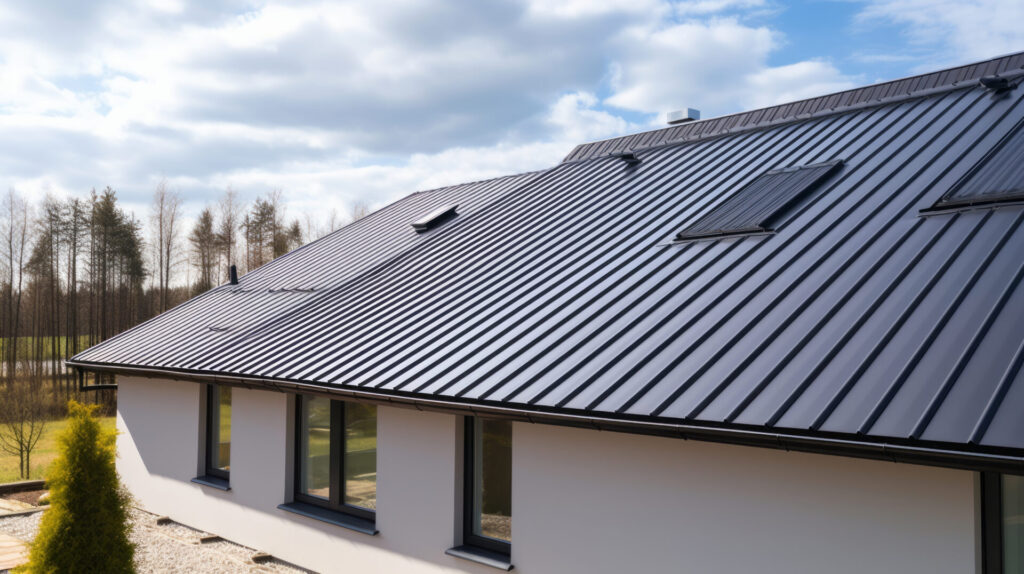
    • Metal Roofing: Durable and energy-efficient. Costs range from $7.00 to $12.00 per sq ft installed.
    • Clay or Concrete Tiles: Premium aesthetic and longevity. Prices start at $10.00 per sq ft and go up.

    Labor and Removal

    Labor is the other half of the equation. In 2026, labor rates have stabilized but vary widely by region. Removing the old roof (“tear-off”) adds to the cost. Most contractors charge $1.50 to $3.00 per sq ft for removal and disposal. If your roof has multiple layers of old shingles, this cost increases because of the extra weight and disposal fees.

    Permit and Inspection Fees

    Never skip permits. Local municipalities require them to ensure safety codes are met. For a small home, permit fees usually range from $150 to $500. While this seems like an extra expense, it protects you from liability and ensures the work is inspected by a professional.

    How Roof Pitch Impacts Your Budget

    One of the most overlooked factors in roofing estimates is the pitch (slope) of your roof. A 1,000 sq ft house with a flat roof is significantly cheaper to replace than one with a steep slope.

    Roof PitchDifficulty LevelCost Impact
    Low Slope (Flat)EasyBase Price
    Medium Slope (4/12 – 6/12)Moderate+10% to 15%
    Steep Slope (8/12+)Hard/Dangerous+20% to 40%

    Why does this matter? Steeper roofs require special safety equipment, such as harnesses and scaffolding. They also take longer to complete because workers must move more carefully. If your home has a steep pitch, expect your labor costs to be on the higher end of the spectrum.
    How Much To Replace Roof On 1000 Sq Ft House

    Choosing the Right Material for Your Climate

    Your location plays a massive role in determining the best material—and therefore the cost. What works in Florida may not survive in Minnesota.

    Asphalt Shingles: The Budget-Friendly Standard

    Asphalt shingles dominate the US market because they offer a good balance of cost and performance. They last 15–25 years. For a 1,000 sq ft house, they are the most economical choice. However, in areas with high winds or hail, you may need impact-resistant shingles, which cost about 20% more.

    Metal Roofing: The Long-Term Investment

    Metal roofs are gaining popularity due to their durability. They can last 40–70 years. While the upfront cost is nearly double that of asphalt, the lifetime value is higher. They reflect solar heat, reducing cooling bills in summer. For more details on metal properties, you can refer to Wikipedia’s entry on Metal Roofing.

    Synthetic Slate: The Luxury Look

    If you love the look of slate but hate the price and weight, synthetic slate is an option. It mimics the appearance of natural stone but is made from rubber or plastic composites. It costs between $9.00 and $12.00 per sq ft. It is lightweight and durable, making it a great middle-ground for historic-style homes.

    Hidden Costs You Must Anticipate

    Beyond the obvious materials and labor, several “hidden” costs can surprise homeowners. Being aware of them prevents sticker shock later.

    1. Decking Repair: Once the old shingles are removed, the wooden deck underneath is exposed. If rot or water damage is found, plywood sheets must be replaced. This costs $75 to $100 per sheet plus labor.
    2. Ventilation Upgrades: Modern building codes require proper attic ventilation. You may need to install new ridge vents or soffit vents, costing $300 to $600.
    3. Chimney and Skylight Flashing: If your roof has penetrations like chimneys or skylights, the flashing (metal strips that seal gaps) must be replaced. This is crucial to prevent leaks. Expect to pay $200 to $500 per penetration.
    4. Dumpster Fees: Disposing of old roofing materials requires a dumpster. Rental fees range from $300 to $600 depending on your local waste management rates.

    Step-by-Step: How to Get Accurate Quotes

    Getting the right price requires a strategic approach. Do not just call the first roofer you find. Follow these steps to ensure you get a fair deal.

    1. Measure Your Roof Area: Use online satellite tools like Google Earth to get a rough estimate of your roof’s square footage. Remember, roof area is usually 1.2x to 1.5x your home’s footprint.
    2. Get Three Detailed Estimates: Contact three licensed local contractors. Ask for itemized quotes that separate materials, labor, and disposal.
    3. Check Credentials: Verify their license, insurance, and bonding. Look for reviews on independent platforms like BBB or Angi.
    4. Ask About Warranties: A good roofer offers both a manufacturer warranty (on materials) and a workmanship warranty (on labor). Aim for at least a 5-year workmanship guarantee.
    5. Compare Apples to Apples: Ensure all quotes include the same scope of work. If one quote is significantly lower, ask why. They may be skipping underlayment or using lower-grade shingles.

    FAQ Section

    How long does it take to replace a roof on a 1000 sq ft house?

    For a standard 1,000 sq ft home, a professional crew can typically complete the job in 1 to 2 days. This includes tear-off, inspection, repairs, and installation. Weather delays can extend this timeline.

    Can I replace the roof myself to save money?

    While technically possible, DIY roofing is highly discouraged for most homeowners. It involves significant safety risks, including falls from heights. Additionally, improper installation can void manufacturer warranties and lead to costly leaks. Most insurance companies also require professional installation for coverage.

    Does homeowners insurance cover roof replacement?

    It depends on the cause of the damage. Insurance typically covers roof replacement if the damage is caused by a covered peril like wind, hail, or fire. However, it does not cover wear and tear or age-related deterioration. Always check your policy details and file a claim if storm damage is suspected.

    What is the cheapest way to replace a roof?

    The most cost-effective method is using 3-tab asphalt shingles. They are the least expensive material and are easy to install, keeping labor costs low. Another way to save is to schedule the replacement during the off-season (late fall or winter), though weather risks must be managed.

    How do I know if I need a full replacement or just repairs?

    If your roof is over 20 years old, has widespread granule loss, or leaks in multiple areas, a full replacement is more cost-effective. If the damage is isolated to a small section and the rest of the roof is in good condition, repairs may suffice. A professional inspection is the best way to determine this.

    Conclusion

    Knowing how much to replace roof on 1000 sq ft house empowers you to make smart financial decisions. While the average cost ranges from $4,500 to $12,000, your final price depends on material choice, roof complexity, and local labor rates. By understanding these variables, checking credentials, and planning for hidden costs, you can avoid surprises and secure a durable, high-quality roof.

    Don’t let roofing stress overwhelm you. Take action today by getting those three quotes. If you found this guide helpful, please share it on social media to help other homeowners navigate their roofing projects with confidence!
  • Metal Roof Cost for 1000 Sq Ft: 2026 Guide

    Metal Roof Cost for 1000 Sq Ft: 2026 Guide

    Are you staring at your aging shingles and wondering if switching to metal is financially viable for your smaller home? You are not alone; many homeowners with compact properties worry that premium materials might be out of reach. Understanding the Cost To For Metal Roof On 1000 Sq Ft House is the first step toward making a smart, long-term investment in your property’s durability and curb appeal.

    While metal roofing has historically been viewed as a luxury option, prices have stabilized in recent years, making it increasingly accessible for homes under 1,500 square feet. This guide will walk you through every dollar spent, from the type of metal you choose to the labor costs in your specific region.

    What Is the Average Cost Range for a 1000 Sq Ft Metal Roof?

    When budgeting for a new roof, it is crucial to distinguish between the “square footage of your home” and the “square footage of your roof.” A 1,000-square-foot house typically has a roof area ranging from 1,100 to 1,400 square feet, depending on the pitch and overhangs. However, for this analysis, we will focus on the actual roofing area of approximately 1,000 square feet (or 10 “squares” in contractor terminology).

    In 2026, the total installed cost for a metal roof on a 1,000-square-foot area generally falls between $9,000 and $25,000.

    This wide range exists because “metal roofing” is not a single product. It encompasses various materials, styles, and installation complexities. Here is a quick breakdown of what drives these numbers:

    • Low End ($9,000 – $13,000): Basic corrugated galvanized steel panels, simple gable roof design, and lower labor costs in rural areas.
    • Mid-Range ($14,000 – $18,000): High-quality painted aluminum or steel standing seam panels, moderate complexity, and standard suburban labor rates.
    • High End ($19,000 – $25,000+): Premium metals like copper or zinc, complex hip-and-valley roof designs, or high-cost metropolitan labor markets.

    According to industry data, the national average hovers around $15 per square foot for a complete tear-off and replacement. For a 1,000-square-foot project, this averages out to roughly $15,000. While this is significantly higher than asphalt shingles (which might cost $4,000–$6,000 for the same size), the lifespan difference is monumental.

    How Do Material Choices Impact the Final Price?

    The type of metal you select is the single biggest variable in your budget. Not all metals are created equal, and their prices reflect their durability, weight, and aesthetic appeal.

    1. Galvanized Steel (Most Affordable)

    Steel is the workhorse of the metal roofing industry. It is strong, widely available, and cost-effective.

    • Cost: $8–$12 per sq. ft. installed.
    • Pros: Excellent strength-to-weight ratio; accepts paint well.
    • Cons: Prone to rust if the coating is damaged; heavier than aluminum.

    2. Aluminum (Best for Coastal Areas)

    If you live near the ocean, aluminum is the superior choice due to its natural resistance to salt corrosion.

    • Cost: $10–$14 per sq. ft. installed.
    • Pros: Lightweight; does not rust; recyclable.
    • Cons: Softer than steel, so it can dent more easily from hail or falling branches.

    3. Zinc and Copper (Premium Luxury)

    These materials are often used for historic restorations or high-end architectural statements. They develop a patina over time, changing color naturally.

    • Cost: $18–$25+ per sq. ft. installed.
    • Pros: Extremely long lifespan (50–100+ years); self-healing scratches (zinc); distinctive look.
    • Cons: Very high upfront cost; requires specialized installers.
    Material TypeAvg. Cost per Sq. Ft.LifespanBest For
    Galvanized Steel$8 – $1240-60 YearsBudget-conscious homeowners
    Aluminum$10 – $1450+ YearsCoastal/humid climates
    Stone-Coated Steel$12 – $1650+ YearsTraditional shingle look
    Copper/Zinc$18 – $25+70-100+ YearsLuxury/Historic homes

    For more detailed technical specifications on metal properties, you can refer to the general overview on Wikipedia.

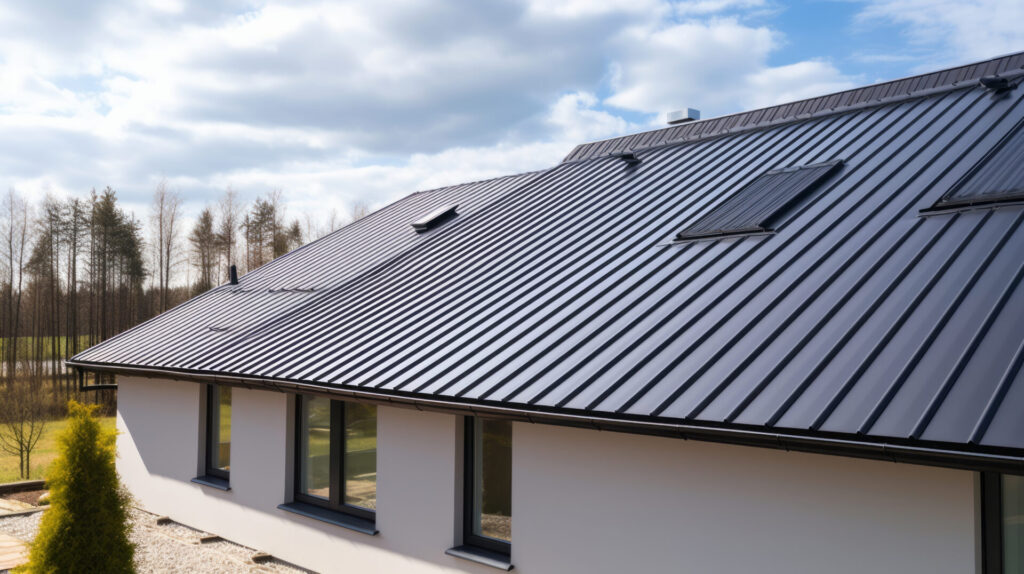
    Cost To For Metal Roof On 1000 Sq Ft House

    Does Labor Cost More for Smaller Roofs?

    One common misconception is that a smaller roof should be proportionally cheaper. In reality, roofing contractors often charge a higher price per square foot for smaller jobs like a 1,000-square-foot roof. This is known as the “minimum job cost” phenomenon.

    Regardless of size, every roofing job requires:

    1. Setting up safety equipment (scaffolding, harnesses).
    2. Mobilizing a crew (truck, fuel, insurance).
    3. Disposing of old materials (dumpster fees).

    These fixed costs do not shrink linearly with the roof size. Therefore, while a 3,000-square-foot roof might cost $12 per square foot, a 1,000-square-foot roof might cost $15 or $16 per square foot simply because the overhead is spread over fewer squares.

    Additionally, the complexity of your roof plays a massive role in labor pricing. A simple gable roof (two sloping sides) is quick to install. However, if your 1,000-square-foot home has multiple valleys, dormers, chimneys, or a steep pitch (over 6:12), labor costs can increase by 20–30%. Installers must spend more time cutting and fitting panels around obstacles, which increases man-hours.

    What Are the Hidden Costs You Should Anticipate?

    When calculating the Cost To For Metal Roof On 1000 Sq Ft House, it is vital to look beyond the base quote. Several ancillary costs can surprise unprepared homeowners.

    Tear-Off and Disposal

    If you are replacing an existing roof, the old material must be removed. Most contractors include this in their quote, but some list it separately.

    • Estimated Cost: $1–$3 per sq. ft.
    • Note: Metal roofs can sometimes be installed over existing shingles (if local codes allow), which saves on tear-off costs but adds weight to the structure.

    Underlayment and Insulation

    Metal roofs require high-quality synthetic underlayment to prevent condensation and noise. Skipping this step to save money is a mistake that leads to leaks and noisy rainstorms.

    • Estimated Cost: $0.50–$1.00 per sq. ft.

    Trim and Flashing

    The edges of your roof, vents, and chimneys require precise flashing to keep water out. Metal-specific flashing is more expensive than asphalt-compatible flashing.

    • Estimated Cost: $500–$1,500 total, depending on complexity.

    Structural Reinforcement

    Although metal is lightweight, older homes may need additional framing support if the existing structure has weakened over time. A professional inspection will determine if this is necessary.

    Is Metal Roofing Worth the Investment for a Small Home?

    To determine value, we must look at Return on Investment (ROI) and longevity. Asphalt shingles typically last 15–20 years. In contrast, a properly installed metal roof lasts 40–70 years.

    The Long-Term Math:

    • Asphalt Shingles: You might replace your roof twice in 40 years. At $5,000 per replacement (adjusted for inflation), that is $10,000+ plus the hassle of two construction projects.
    • Metal Roof: One installation at $15,000 covers you for the next half-century.

    Furthermore, metal roofs offer energy savings. They reflect solar radiant heat, which can reduce cooling costs by 10–25%. For a small home, this might seem minor, but it adds up over decades. Many insurance companies also offer discounts of 10–30% on homeowners’ premiums for metal roofs due to their fire and wind resistance.

    Frequently Asked Questions (FAQ)

    1. Can I install a metal roof myself to save money?

    While DIY is possible for experienced handymen, it is not recommended for most homeowners. Metal roofing requires precise cutting, sealing, and fastening. One mistake in flashing can lead to catastrophic leaks. Professional installation ensures warranty validity and safety. If you attempt DIY, you risk voiding manufacturer warranties and compromising the structural integrity of your home.

    2. Will a metal roof make my house hotter in the summer?

    No, actually the opposite. Modern metal roofs are coated with reflective pigments that meet Energy Star standards. They reflect sunlight rather than absorbing it like asphalt shingles. This keeps your attic cooler and reduces the load on your air conditioning system.

    3. Is a metal roof noisy when it rains?

    This is a common myth. When installed correctly with solid sheathing and quality underlayment, a metal roof is no noisier than an asphalt shingle roof. The insulation and decking dampen the sound of rain. In fact, many homeowners find the sound of rain on metal to be soothing rather than disruptive.

    4. How long does it take to install a metal roof on a 1,000 sq ft house?

    For a professional crew, a 1,000-square-foot metal roof installation typically takes 2 to 4 days. This includes tear-off (if applicable), preparation, and installation. Weather conditions can delay this timeline, so it is best to schedule during dry seasons.

    5. Does a metal roof add value to my home?

    Yes. According to real estate studies, a metal roof can increase a home’s resale value by 1–6%. More importantly, it boosts curb appeal and marketability. Buyers recognize the low maintenance and longevity, making your home more attractive compared to those with aging asphalt roofs.

    Conclusion

    Investing in a metal roof for your 1,000-square-foot home is a decision that balances higher upfront costs with significant long-term benefits. While the Cost To For Metal Roof On 1000 Sq Ft House ranges from $9,000 to $25,000, the durability, energy efficiency, and aesthetic appeal provide a compelling case for the upgrade.

    By choosing the right material—whether it’s affordable steel or premium copper—and hiring a certified installer, you ensure that your home remains protected for decades. Don’t let the initial sticker price deter you; view it as a one-time investment that eliminates the need for future roof replacements.

    If you found this guide helpful, please share it with friends or family who are considering a roofing upgrade. Spreading knowledge helps everyone make smarter home improvement decisions!