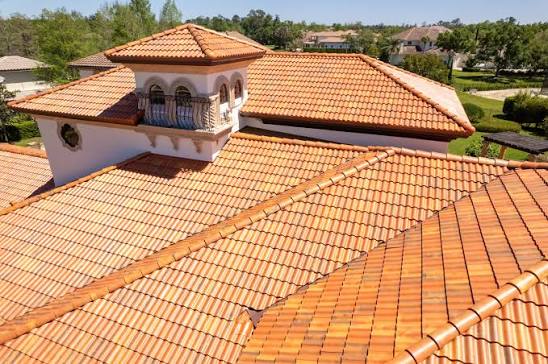
Choosing the right roofing material in the Sunshine State is about more than just curb appeal; it is a critical decision that impacts your home’s safety, energy bills, and longevity. With hurricane seasons becoming more intense and summer temperatures soaring, homeowners are often left debating between traditional styles and modern efficiencies. If you are wondering are flat tile roofs better than S type in Florida, you are asking the right question to protect your investment.
In this guide, we will break down the technical differences, performance metrics, and aesthetic considerations of both roofing styles. By the end, you will have a clear, data-backed answer tailored specifically for the unique climate challenges of Florida.
Understanding the Core Differences: Flat vs. S-Tile
Before diving into performance, it is essential to understand what these terms actually mean in the context of Florida construction.
S-Tile (Spanish or Mission Tile) The “S” shape is iconic. It features a concave curve followed by a convex curve, resembling the letter S. This design has been used for centuries, dating back to Mediterranean and Spanish colonial architecture. In Florida, this style is synonymous with luxury and historical charm. The interlocking nature of the tiles creates natural channels for water runoff.
Flat Tile (Shake or Slate Look) Despite the name, “flat” tiles are rarely perfectly flat like a sheet of paper. They usually have a slight texture or ribbing to mimic wood shakes or natural slate. They lie flatter against the roof deck compared to the high-profile curves of S-tiles. This profile offers a more contemporary, streamlined look that is gaining popularity in modern Florida coastal homes.
How Do They Handle Florida’s Extreme Heat?
One of the primary concerns for Florida homeowners is thermal performance. A roof that absorbs too much heat can skyrocket your air conditioning costs.
The Air Gap Advantage
Both tile types offer superior insulation compared to asphalt shingles, but they achieve it differently. Tiles create an air gap between the roofing material and the underlayment. This gap allows hot air to circulate and escape, preventing heat from transferring directly into your attic.
- S-Tiles: Due to their high profile, S-tiles often create a larger air volume underneath. This can provide slightly better passive ventilation, keeping the roof deck cooler.
- Flat Tiles: While the air gap is smaller, modern flat tiles are often engineered with reflective coatings. Many manufacturers now produce “cool roof” certified flat tiles that reflect solar radiation more effectively than traditional clay.
Expert Insight: According to energy efficiency studies, tile roofs can reduce heat gain by up to 70% compared to standard asphalt shingles. However, the color of the tile matters more than the shape. Lighter colors (terracotta, white, or light gray) perform best in Florida’s subtropical climate, regardless of whether they are flat or S-shaped.
Wind Resistance and Hurricane Performance
In Florida, wind resistance is not a luxury; it is a necessity. The shape of the tile plays a significant role in how wind interacts with your roof.
Aerodynamics and Lift
Wind does not just blow over a roof; it tries to lift it.
- S-Tiles: The curved shape can act like a sail if not installed correctly. High winds can get caught under the convex curve, creating uplift pressure. However, when properly secured with mechanical fasteners (not just mortar), S-tiles are incredibly durable. They have survived centuries of storms in the Caribbean.
- Flat Tiles: These are generally more aerodynamic. Because they sit closer to the roof deck, there is less surface area for the wind to catch. This can result in lower uplift forces during hurricane-force winds.
Installation Matters Most
It is crucial to note that installation quality outweighs tile shape. In Florida, building codes require strict adherence to wind mitigation standards. Whether you choose flat or S-tile, ensure your contractor uses:
- Mechanical Fasteners: Screws or clips that anchor the tile to the batten or deck.
- High-Adhesion Underlayment: Synthetic underlayments that resist tearing.
- Proper Edge Detailing: Reinforced edges where wind entry is most likely.
For more detailed information on building standards, you can refer to general construction principles on Wikipedia.
Water Management and Leak Prevention
Florida experiences heavy, torrential rainstorms. How well does each tile shed water?
| Feature | S-Tile (Spanish) | Flat Tile (Shake/Slate) |
|---|---|---|
| Water Channeling | Excellent. The deep curves guide water rapidly off the roof. | Good. Relies on overlap and slope rather than channels. |
| Debris Accumulation | Moderate. Leaves can get stuck in the curves. | Low. Flatter surface allows wind/rain to wash debris away easier. |
| Ice/Water Dam Risk | Low. Rapid runoff prevents pooling. | Low, provided the slope is adequate (min 4:12 pitch). |
Verdict: S-tiles have a slight edge in pure water shedding capability due to their channel design. However, flat tiles are less prone to trapping organic debris, which can hold moisture and lead to mold or algae growth—a common issue in humid Florida environments.
Cost Comparison: Initial Investment vs. Long-Term Value
Let’s talk about the bottom line. Prices vary by manufacturer, but here is a general breakdown for the Florida market.
Material Costs
- S-Tiles: Typically range from $10 to $18 per square foot installed. The complexity of manufacturing the double-curve shape often makes them more expensive.
- Flat Tiles: Typically range from $8 to $15 per square foot installed. They are often simpler to manufacture and lighter, which can reduce structural support costs.
Maintenance Costs
- S-Tiles: May require more frequent cleaning to remove debris from the curves. Broken tiles are easy to spot but can be tricky to match if the batch is old.
- Flat Tiles: Easier to walk on for maintenance (if necessary) and clean. Their uniform appearance makes individual replacements less noticeable.
Lifespan
Both options are long-term investments. A well-installed clay or concrete tile roof in Florida can last 50 to 100 years. This dwarfs the 15–20 year lifespan of asphalt shingles, making the higher upfront cost of tile worthwhile over time.
Aesthetic Appeal: Which Style Fits Your Home?
Your roof accounts for up to 40% of your home’s visible exterior. The choice between flat and S-tile should complement your architectural style.
Choose S-Tile If:
- You have a Mediterranean, Spanish Colonial, or Tuscan-style home.
- You want a traditional, luxurious look that stands out in historic neighborhoods.
- You prefer a roof with depth, shadow lines, and visual texture.
Choose Flat Tile If:
- You have a Modern, Contemporary, or Craftsman-style home.
- You prefer a sleek, minimalist aesthetic.
- You want the durability of tile without the “busy” look of curved profiles.
- You are looking to mimic the look of wood shakes without the fire risk and rot issues associated with wood in humid climates.
Environmental Impact and Sustainability
Florida homeowners are increasingly eco-conscious. Both tile types are sustainable choices, but there are nuances.
- Recyclability: Concrete and clay tiles are 100% recyclable. At the end of their life, they can be crushed and used as aggregate for road base or new concrete.
- Energy Efficiency: As mentioned earlier, both contribute to lower energy consumption.
- Weight Considerations: Tile roofs are heavy. S-tiles are often heavier than flat tiles due to the extra material used in the curves. If you are retrofitting an existing home, a structural engineer may need to verify if your frame can support S-tiles. Flat tiles, being lighter, are often easier to install on existing structures without reinforcement.
FAQ Section
1. Are flat tile roofs more expensive than S-tile roofs in Florida?
Generally, no. Flat tiles are often slightly cheaper than S-tiles because they use less material and are simpler to manufacture. However, installation costs can vary based on the complexity of your roof’s geometry. Always get multiple quotes from licensed Florida contractors.
2. Which tile style is better for hurricane zones?
Both styles can withstand hurricane-force winds if installed correctly according to Florida Building Code. However, flat tiles are slightly more aerodynamic, potentially reducing wind uplift. The key factor is not the shape, but the use of mechanical fasteners and proper underlayment.
3. Do flat tiles leak more than S-tiles?
Not necessarily. S-tiles have built-in channels that guide water, which is advantageous. However, flat tiles rely on proper overlap and slope. As long as your roof has the minimum recommended pitch (usually 4:12) and is installed by a professional, flat tiles are highly water-resistant.
4. Can I walk on my tile roof for maintenance?
You should avoid walking on any tile roof unless absolutely necessary. Tiles are brittle and can crack under foot traffic. If maintenance is required, hire a professional who knows how to distribute their weight using planks or specialized footwear. Flat tiles are slightly more forgiving than S-tiles, but caution is still required.
5. How do I clean algae off my tile roof in Florida?
Florida’s humidity promotes algae growth (black streaks). Use a soft wash method with a mixture of water and mild detergent or a specialized roof cleaning solution. Avoid pressure washing, as high pressure can damage the tile glaze and force water under the tiles. Lighter-colored tiles show algae less than dark ones.
6. Does the weight of S-tiles require extra structural support?
Often, yes. S-tiles are heavier than flat tiles. If you are replacing an asphalt shingle roof with S-tiles, you will likely need a structural assessment to ensure your roof trusses can handle the added load. Flat tiles are lighter and may be a viable option for homes with marginal structural capacity.
Conclusion
So, are flat tile roofs better than S type in Florida? The answer depends on your priorities.
If you prioritize aerodynamics, lower initial cost, and a modern aesthetic, flat tiles are an excellent choice. They offer superior wind performance due to their low profile and are easier to maintain regarding debris removal.
If you value traditional beauty, superior water channeling, and don’t mind the higher price tag, S-tiles remain the gold standard for Mediterranean-style homes in Florida. They offer unmatched character and proven longevity.
Both options are vastly superior to asphalt shingles in terms of lifespan and energy efficiency. Whichever you choose, ensure you work with a licensed, insured contractor who understands Florida’s specific building codes.
Found this guide helpful? Share it with your neighbors on Facebook or Nextdoor to help them make informed roofing decisions before the next storm season hits!