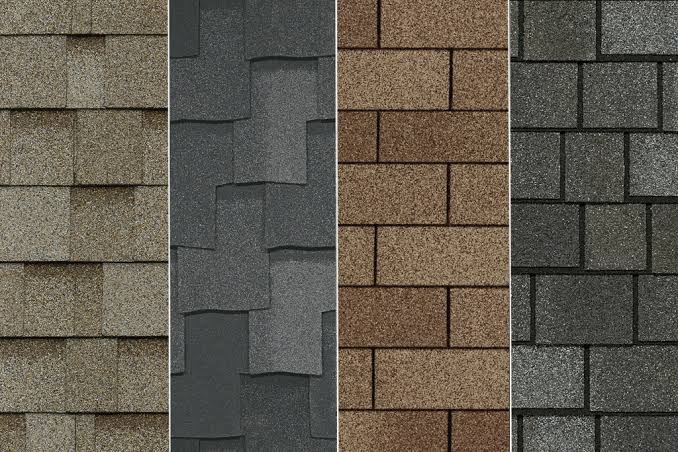
Choosing a new roof is one of the most significant investments you will make for your home. It protects your family from the elements, boosts curb appeal, and impacts your property’s resale value. However, standing in front of material samples can feel overwhelming. You might find yourself asking, “What Are The 3 Types Of Shingles Used When Roofing?” to narrow down your options.
Understanding these primary categories is the first step toward making an informed decision. In this guide, we will break down the three most common shingle types used in the United States: Asphalt, Wood, and Slate (including modern synthetic alternatives). We will explore their durability, cost, and aesthetic appeal so you can choose the perfect shield for your home.
What Are the 3 Main Types of Roofing Shingles?
When contractors and architects discuss roofing materials, they generally categorize shingles into three distinct families based on their core composition. While there are niche materials like clay tile or metal, shingles specifically refer to overlapping, flat pieces.
The three primary types of shingles are:
- Asphalt Shingles: The most popular choice in North America due to affordability and versatility.
- Wood Shingles (and Shakes): A natural, rustic option prized for its organic beauty.
- Slate Shingles: A premium, stone-based option known for unmatched longevity.
Let’s dive deeper into each type to understand why they dominate the market.
1. Asphalt Shingles: The American Standard
If you drive through any suburban neighborhood in the US, you will likely see asphalt shingles on the majority of roofs. They account for approximately 80% of the residential roofing market. Their dominance isn’t accidental; it is the result of a balanced triad of cost, performance, and ease of installation.
Composition and Varieties
Asphalt shingles are made from a fiberglass mat topped with asphalt and ceramic granules. There are two main sub-types:
- 3-Tab Asphalt: The traditional, flat look. These are the most affordable but have a shorter lifespan.
- Architectural (Dimensional) Asphalt: These are thicker, multi-layered shingles that mimic the look of wood or slate. They offer better wind resistance and durability.
Pros and Cons
| Feature | Details |
|---|---|
| Lifespan | 15–30 years (depending on quality) |
| Cost | $3.50 – $5.50 per square foot installed |
| Maintenance | Low; occasional cleaning of gutters |
| Aesthetics | Wide variety of colors and styles |
| Drawback | Susceptible to heat damage in extreme climates |
According to industry data, architectural asphalt shingles can withstand wind speeds up to 130 mph, making them a reliable choice for many weather zones. They are also lightweight, meaning most existing home structures do not need reinforcement to support them.
2. Wood Shingles and Shakes: The Rustic Choice
For homeowners seeking a natural, timeless aesthetic, wood remains a top contender. It is crucial to distinguish between wood shingles and wood shakes, as they are often grouped together but differ in production.
- Shingles are machine-cut, resulting in smooth, uniform surfaces.
- Shakes are hand-split, creating a rougher, more textured appearance with varying thicknesses.
Most wood roofing in the US is made from Western Red Cedar, Cypress, or Redwood. These woods contain natural oils that resist decay and insect infestation.
Performance and Care
Wood roofing offers excellent insulation properties, keeping homes cooler in summer and warmer in winter. However, it requires more maintenance than asphalt. Without proper treatment, wood is susceptible to moss, mold, and fire.
Expert Tip: Always check local building codes. Many areas in wildfire-prone states (like California) require Class A fire-rated wood shingles, which are treated with fire-retardant chemicals.
Pros and Cons
| Feature | Details |
|---|---|
| Lifespan | 25–40 years (with proper maintenance) |
| Cost | $6.00 – $9.00 per square foot installed |
| Maintenance | High; requires cleaning and sealing every 3–5 years |
| Aesthetics | Natural, high-end rustic charm |
| Drawback | Vulnerable to moisture and fire hazards |
3. Slate Shingles: The Forever Roof
Slate is the luxury standard of roofing. Quarried from natural stone, slate shingles are incredibly dense, durable, and elegant. When people ask, “What Are The 3 Types Of Shingles Used When Roofing?” they are often surprised to learn that slate can last longer than the house itself.
Natural vs. Synthetic Slate
True natural slate is heavy and expensive. Today, many homeowners opt for synthetic slate (made from rubber, plastic, or polymer composites). Synthetic options mimic the look of natural slate but are lighter and more affordable.
For the purpose of this classification, we consider “Slate” as the third pillar, encompassing both natural stone and high-quality synthetic replicas designed to replace it.
Why Choose Slate?
Natural slate is virtually indestructible. It is fireproof, waterproof, and immune to insect damage. The history of slate roofing dates back centuries in Europe and America, with many historic buildings still sporting their original slate roofs after 100+ years.
Pros and Cons
| Feature | Details |
|---|---|
| Lifespan | 75–150+ years (Natural); 40–50 years (Synthetic) |
| Cost | $10.00 – $20.00+ per square foot installed |
| Maintenance | Very Low; occasionally replace broken tiles |
| Aesthetics | Distinctive, elegant, and unique color variations |
| Drawback | Extremely heavy; requires structural reinforcement |
Comparing the Big Three: Which Is Right for You?
To help you visualize the differences, let’s compare these three types based on critical decision-making factors.
Cost vs. Longevity
While asphalt is the cheapest upfront, it may need replacing twice within the lifespan of a single slate roof.
- Asphalt: Low initial cost, higher long-term replacement frequency.
- Wood: Moderate initial cost, moderate maintenance costs.
- Slate: High initial cost, negligible long-term replacement needs.
Climate Suitability
- Hot Climates: Asphalt can soften and curl in extreme heat unless specially formulated. Slate performs excellently. Wood requires sealing to prevent drying and cracking.
- Wet/Humid Climates: Wood is risky due to mold and rot potential. Asphalt and Slate are superior choices here.
- Wind Zones: Architectural asphalt and properly nailed slate perform well. Wood shakes can lift if not secured correctly.
Installation Complexity
Installing asphalt shingles is straightforward for experienced DIYers, though professional installation is recommended for warranty purposes. Wood and slate require specialized craftsmen. Incorrect installation of slate can lead to cracked tiles, while improper wood installation can void fire-resistance ratings.
Frequently Asked Questions (FAQ)
1. What is the most durable type of roofing shingle?
Natural slate is the most durable type of roofing shingle available. It can last over 100 years with minimal maintenance. Among non-stone options, high-quality architectural asphalt shingles are the most durable, lasting up to 30 years.
2. Are wood shingles worth the extra cost?
Wood shingles are worth the cost if you prioritize aesthetics and natural insulation. They offer a unique look that improves with age, developing a silvery-gray patina. However, if you live in a humid area or want a low-maintenance roof, asphalt or synthetic slate may be a better financial choice.
3. Can I install slate shingles on my existing roof structure?
Not always. Natural slate is extremely heavy (weighing 800–1,500 lbs per square). Most standard home frames are designed for asphalt shingles (200–350 lbs per square). You must have a structural engineer assess your roof’s load-bearing capacity before installing natural slate. Synthetic slate is a lighter alternative that often fits existing structures.
4. How often do asphalt shingles need to be replaced?
Standard 3-tab asphalt shingles typically last 15–20 years. High-quality architectural asphalt shingles can last 25–30 years. Factors like climate, ventilation, and sun exposure significantly impact this timeline. Regular inspections after severe storms can help extend their life.
5. What are the environmental impacts of these shingle types?
- Asphalt: Petroleum-based and difficult to recycle, though recycling programs are growing.
- Wood: Biodegradable and renewable if sourced from sustainable forests.
- Slate: Natural stone has a low manufacturing footprint but high transportation emissions due to weight. Synthetic slate often uses recycled materials.
Conclusion
So, what are the 3 types of shingles used when roofing? They are Asphalt, Wood, and Slate. Each serves a different purpose and budget.
- Choose Asphalt for affordability, ease of repair, and wide availability.
- Choose Wood for natural beauty, insulation, and a rustic charm.
- Choose Slate for ultimate durability, luxury aesthetics, and a “install it once” mentality.
Your roof is more than just a covering; it’s a statement about your home. Consider your local climate, budget, and long-term plans before making a final decision.
Found this guide helpful? Share it with friends who are planning a home renovation on Facebook or Pinterest! If you have questions about specific brands or installation tips, leave a comment below.