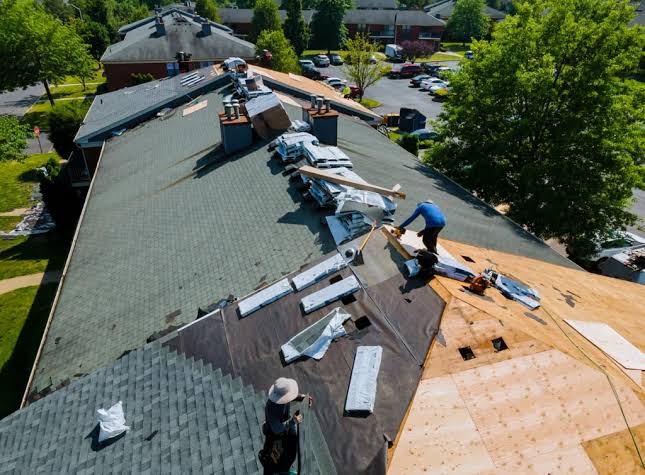
Have you ever stared at your ceiling during a rainstorm, wondering if your current roof will hold up another winter? Or perhaps you are planning a home renovation and need to coordinate schedules with contractors, family members, and neighbors. Understanding how long does it take to put on a roof is crucial for minimizing disruption to your daily life and ensuring your project stays on budget.
Most homeowners are surprised to learn that a full roof replacement isn’t always a week-long ordeal. In many cases, it can be completed in just a few days. However, the exact timeline depends on a complex mix of materials, weather, and structural integrity. Let’s dive into the details so you can plan with confidence.
What Is the Average Timeline for a Standard Roof Replacement?
For the average single-family home in the United States, a complete roof replacement typically takes between 1 to 3 days. This estimate assumes favorable weather conditions and a standard crew size of 4–6 professionals.
However, “average” is a broad term. The size of your home and the complexity of your roofline play massive roles. A simple gable roof on a 1,500-square-foot ranch-style home might be finished in a single day by an experienced team. Conversely, a multi-story Victorian home with multiple chimneys, skylights, and valleys could take up to a week.
According to industry standards, professional roofing crews can install approximately 100 to 150 squares (a square equals 100 square feet) of asphalt shingles per day. If your roof is 20 squares (2,000 sq. ft.), you are looking at roughly two days of active labor, excluding setup and cleanup time.
How Do Different Roofing Materials Affect Installation Time?
Not all roofs are created equal. The material you choose significantly impacts the installation duration. Here is a breakdown of common roofing materials and their typical installation timelines:
1. Asphalt Shingles
- Timeframe: 1–3 Days
- Why: Asphalt shingles are the most popular roofing material in the US due to their ease of installation. They are lightweight, flexible, and come in pre-cut strips. Most roofing crews are highly specialized in this material, allowing for rapid deployment.
2. Metal Roofing
- Timeframe: 3–7 Days
- Why: Metal roofs require precise measurements and cutting. While standing-seam metal roofs are durable and energy-efficient, the installation process is more labor-intensive. Panels must be aligned perfectly to prevent leaks, and flashing details around penetrations (like vents and pipes) take longer to seal properly.
3. Clay or Concrete Tiles
- Timeframe: 5–10 Days
- Why: Tile roofs are heavy and fragile. Installers must move carefully to avoid breaking tiles. Additionally, the underlying structure often requires reinforcement to support the weight, which adds prep time. The interlocking nature of tiles also means the installation process is slower than nailing down shingles.
4. Slate Roofing
- Timeframe: 7–14 Days
- Why: Slate is a premium, natural stone product. Each slate tile is individually nailed, and the work requires specialized craftsmanship. Because slate is brittle and heavy, the pace of work is deliberately slow to ensure safety and quality.
| Material | Avg. Installation Time | Difficulty Level | Best For |
|---|---|---|---|
| Asphalt Shingles | 1–3 Days | Low | Budget-conscious, quick turnaround |
| Metal | 3–7 Days | Medium | Durability, modern aesthetics |
| Clay/Concrete Tile | 5–10 Days | High | Hot climates, Mediterranean style |
| Slate | 7–14 Days | Very High | Historic homes, luxury estates |
What Factors Can Delay Your Roofing Project?
Even with the best-laid plans, unexpected issues can arise. Understanding these variables helps you set realistic expectations.
Weather Conditions
Roofing is an outdoor job, making it entirely dependent on the weather. Rain, high winds, or extreme heat can halt work immediately.
- Rain: Wet decks cannot be covered with new underlayment or shingles, as moisture trapped underneath leads to mold and rot.
- Wind: High winds make it dangerous for workers to be on the roof and can blow away loose materials.
- Heat: Extreme temperatures can make asphalt shingles too soft to handle properly, requiring crews to work slower or shift hours to early morning.
Structural Damage
Once the old roof is removed, the true condition of the roof deck (the wooden base) is revealed. It is common to find rotted wood, water damage, or insect infestation.
- Repair Time: Replacing damaged decking adds time. If 10% of your deck needs repair, add half a day to your timeline. If 30% or more is damaged, you could be looking at an additional 1–2 days.
Permit and Inspection Delays
In many US municipalities, you need a permit before starting work. While obtaining the permit usually happens before the crew arrives, scheduling the final inspection can sometimes delay the official completion of the project. Always ask your contractor about local building code requirements to ensure compliance.
Accessibility Issues
Is your home surrounded by dense trees? Is there limited space for a dumpster and material delivery? Difficult access can slow down the removal of old materials and the lifting of new ones. If the crew has to hand-carry shingles up a ladder because a crane cannot reach the roof, the job will take longer.
Step-by-Step: The Roofing Installation Process
Knowing what happens each day can help you understand why the timeline is structured the way it is. Here is a typical workflow for an asphalt shingle replacement:
- Day 1: Preparation and Tear-Off
- The crew arrives early to set up safety equipment and protect your landscaping.
- Old shingles, underlayment, and flashing are removed.
- Debris is hauled away or placed in a dumpster.
- The roof deck is inspected for damage. Any rotten wood is replaced.
- Day 2: Underlayment and Flashing
- A waterproof underlayment (ice and water shield) is installed in critical areas like valleys and eaves.
- New drip edges and step flashing are installed around chimneys and walls.
- Starter shingles are applied along the eaves.
- Day 3: Shingle Installation and Cleanup
- The main field of shingles is installed, working from the bottom up.
- Ridge caps are added for ventilation and aesthetic finish.
- Final inspection by the foreman.
- Thorough cleanup using magnetic rollers to pick up stray nails.
FAQ: Common Questions About Roofing Timelines
Q: Can I stay in my house while the roof is being replaced?
A: Yes, most homeowners stay in their homes during the process. However, expect significant noise, vibration, and dust. If you work from home, you may want to arrange alternative workspace for the duration of the project.
Q: Does the season affect how long it takes to put on a roof?
A: Indirectly, yes. Summer and fall are peak seasons, so contractors may be booked weeks in advance. Winter installations can be slower due to shorter daylight hours and cold temperatures, which make shingles brittle and harder to seal.
Q: How long does it take to get a quote and schedule the job?
A: Getting a quote usually takes 1–3 days after an initial inspection. Scheduling the actual work can vary from 2 weeks to 2 months, depending on the contractor’s backlog and the season.
Q: What happens if it rains during the project?
A: Professional roofers monitor weather closely. If rain is forecast, they will either pause work or use tarps to cover exposed sections. They will not leave your home vulnerable to water intrusion overnight if possible.
Q: Do I need to be home during the installation?
A: You do not need to be home the entire time, but it is helpful to be available at the start of the day to answer questions and at the end for a walkthrough. Ensure the crew has access to your property and that pets are secured indoors.
Conclusion
So, how long does it take to put on a roof? For most American homeowners using asphalt shingles, the answer is 1 to 3 days. While material choices, weather, and structural repairs can extend this timeline, proper planning and hiring a reputable contractor can keep your project on track.
Remember, a rushed job is rarely a good job. It is better to allow a little extra time for quality craftsmanship than to push for an unrealistic deadline. Once your new roof is installed, you’ll enjoy peace of mind and enhanced curb appeal for decades to come.
If you found this guide helpful, please share it with friends or family who are considering a home improvement project. Sharing knowledge helps everyone make smarter housing decisions!