Tag: Roof Replacement Timeline

  • How Long Does It Take To Put On A Roof?

    How Long Does It Take To Put On A Roof?

    Have you ever stared at your ceiling during a rainstorm, wondering if your current roof will hold up another winter? Or perhaps you are planning a home renovation and need to coordinate schedules with contractors, family members, and neighbors. Understanding how long does it take to put on a roof is crucial for minimizing disruption to your daily life and ensuring your project stays on budget.

    Most homeowners are surprised to learn that a full roof replacement isn’t always a week-long ordeal. In many cases, it can be completed in just a few days. However, the exact timeline depends on a complex mix of materials, weather, and structural integrity. Let’s dive into the details so you can plan with confidence.

    What Is the Average Timeline for a Standard Roof Replacement?

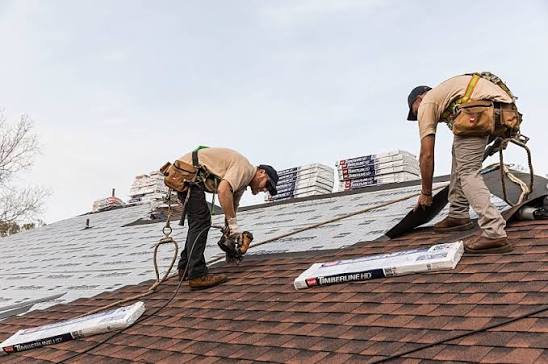
    For the average single-family home in the United States, a complete roof replacement typically takes between 1 to 3 days. This estimate assumes favorable weather conditions and a standard crew size of 4–6 professionals.

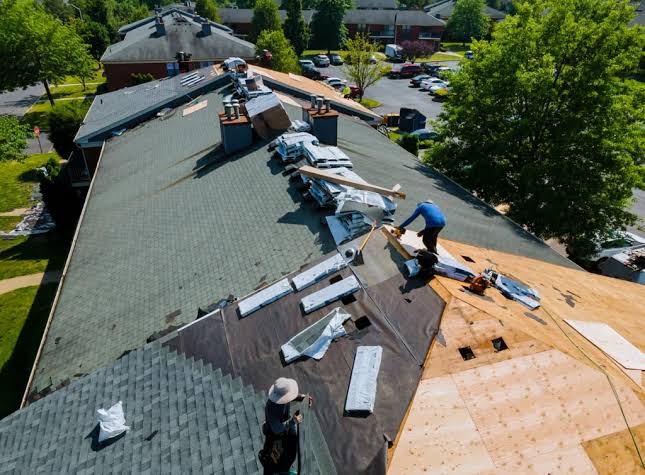
    However, “average” is a broad term. The size of your home and the complexity of your roofline play massive roles. A simple gable roof on a 1,500-square-foot ranch-style home might be finished in a single day by an experienced team. Conversely, a multi-story Victorian home with multiple chimneys, skylights, and valleys could take up to a week.

    According to industry standards, professional roofing crews can install approximately 100 to 150 squares (a square equals 100 square feet) of asphalt shingles per day. If your roof is 20 squares (2,000 sq. ft.), you are looking at roughly two days of active labor, excluding setup and cleanup time.

    How Do Different Roofing Materials Affect Installation Time?

    Not all roofs are created equal. The material you choose significantly impacts the installation duration. Here is a breakdown of common roofing materials and their typical installation timelines:

    1. Asphalt Shingles

    • Timeframe: 1–3 Days
    • Why: Asphalt shingles are the most popular roofing material in the US due to their ease of installation. They are lightweight, flexible, and come in pre-cut strips. Most roofing crews are highly specialized in this material, allowing for rapid deployment.

    2. Metal Roofing

    • Timeframe: 3–7 Days
    • Why: Metal roofs require precise measurements and cutting. While standing-seam metal roofs are durable and energy-efficient, the installation process is more labor-intensive. Panels must be aligned perfectly to prevent leaks, and flashing details around penetrations (like vents and pipes) take longer to seal properly.

    3. Clay or Concrete Tiles

    • Timeframe: 5–10 Days
    • Why: Tile roofs are heavy and fragile. Installers must move carefully to avoid breaking tiles. Additionally, the underlying structure often requires reinforcement to support the weight, which adds prep time. The interlocking nature of tiles also means the installation process is slower than nailing down shingles.

    4. Slate Roofing

    • Timeframe: 7–14 Days
    • Why: Slate is a premium, natural stone product. Each slate tile is individually nailed, and the work requires specialized craftsmanship. Because slate is brittle and heavy, the pace of work is deliberately slow to ensure safety and quality.
    MaterialAvg. Installation TimeDifficulty LevelBest For
    Asphalt Shingles1–3 DaysLowBudget-conscious, quick turnaround
    Metal3–7 DaysMediumDurability, modern aesthetics
    Clay/Concrete Tile5–10 DaysHighHot climates, Mediterranean style
    Slate7–14 DaysVery HighHistoric homes, luxury estates
    How Long Does It Take To Put On A Roof

    What Factors Can Delay Your Roofing Project?

    Even with the best-laid plans, unexpected issues can arise. Understanding these variables helps you set realistic expectations.

    Weather Conditions

    Roofing is an outdoor job, making it entirely dependent on the weather. Rain, high winds, or extreme heat can halt work immediately.

    • Rain: Wet decks cannot be covered with new underlayment or shingles, as moisture trapped underneath leads to mold and rot.
    • Wind: High winds make it dangerous for workers to be on the roof and can blow away loose materials.
    • Heat: Extreme temperatures can make asphalt shingles too soft to handle properly, requiring crews to work slower or shift hours to early morning.

    Structural Damage

    Once the old roof is removed, the true condition of the roof deck (the wooden base) is revealed. It is common to find rotted wood, water damage, or insect infestation.

    • Repair Time: Replacing damaged decking adds time. If 10% of your deck needs repair, add half a day to your timeline. If 30% or more is damaged, you could be looking at an additional 1–2 days.

    Permit and Inspection Delays

    In many US municipalities, you need a permit before starting work. While obtaining the permit usually happens before the crew arrives, scheduling the final inspection can sometimes delay the official completion of the project. Always ask your contractor about local building code requirements to ensure compliance.

    Accessibility Issues

    Is your home surrounded by dense trees? Is there limited space for a dumpster and material delivery? Difficult access can slow down the removal of old materials and the lifting of new ones. If the crew has to hand-carry shingles up a ladder because a crane cannot reach the roof, the job will take longer.

    Step-by-Step: The Roofing Installation Process

    Knowing what happens each day can help you understand why the timeline is structured the way it is. Here is a typical workflow for an asphalt shingle replacement:

    1. Day 1: Preparation and Tear-Off
      • The crew arrives early to set up safety equipment and protect your landscaping.
      • Old shingles, underlayment, and flashing are removed.
      • Debris is hauled away or placed in a dumpster.
      • The roof deck is inspected for damage. Any rotten wood is replaced.
    2. Day 2: Underlayment and Flashing
      • A waterproof underlayment (ice and water shield) is installed in critical areas like valleys and eaves.
      • New drip edges and step flashing are installed around chimneys and walls.
      • Starter shingles are applied along the eaves.
    3. Day 3: Shingle Installation and Cleanup
      • The main field of shingles is installed, working from the bottom up.
      • Ridge caps are added for ventilation and aesthetic finish.
      • Final inspection by the foreman.
      • Thorough cleanup using magnetic rollers to pick up stray nails.

    FAQ: Common Questions About Roofing Timelines

    Q: Can I stay in my house while the roof is being replaced?

    A: Yes, most homeowners stay in their homes during the process. However, expect significant noise, vibration, and dust. If you work from home, you may want to arrange alternative workspace for the duration of the project.

    Q: Does the season affect how long it takes to put on a roof?

    A: Indirectly, yes. Summer and fall are peak seasons, so contractors may be booked weeks in advance. Winter installations can be slower due to shorter daylight hours and cold temperatures, which make shingles brittle and harder to seal.

    Q: How long does it take to get a quote and schedule the job?

    A: Getting a quote usually takes 1–3 days after an initial inspection. Scheduling the actual work can vary from 2 weeks to 2 months, depending on the contractor’s backlog and the season.

    Q: What happens if it rains during the project?

    A: Professional roofers monitor weather closely. If rain is forecast, they will either pause work or use tarps to cover exposed sections. They will not leave your home vulnerable to water intrusion overnight if possible.

    Q: Do I need to be home during the installation?

    A: You do not need to be home the entire time, but it is helpful to be available at the start of the day to answer questions and at the end for a walkthrough. Ensure the crew has access to your property and that pets are secured indoors.

    Conclusion

    So, how long does it take to put on a roof? For most American homeowners using asphalt shingles, the answer is 1 to 3 days. While material choices, weather, and structural repairs can extend this timeline, proper planning and hiring a reputable contractor can keep your project on track.

    Remember, a rushed job is rarely a good job. It is better to allow a little extra time for quality craftsmanship than to push for an unrealistic deadline. Once your new roof is installed, you’ll enjoy peace of mind and enhanced curb appeal for decades to come.

    If you found this guide helpful, please share it with friends or family who are considering a home improvement project. Sharing knowledge helps everyone make smarter housing decisions!
  • How Long Does It Take To Put A Roof On?

    How Long Does It Take To Put A Roof On?

    Have you ever stared at your ceiling during a storm, wondering if it will hold up, or perhaps you are simply planning a home renovation and need to schedule your life around the construction noise? It is a common source of anxiety for homeowners. Understanding how long does it take to put a roof on is crucial for minimizing disruption to your daily routine and managing expectations with your family and neighbors.

    The short answer is that most standard residential roof replacements in the United States are completed within one to three days. However, this timeline can fluctuate significantly based on the size of your home, the materials chosen, and the weather conditions. In this comprehensive guide, we will break down exactly what influences these timelines, what you can expect during the process, and how to ensure your project stays on track.

    What Factors Influence Roofing Timelines?

    When asking “how long does it take to put a roof on,” it is essential to realize that no two roofs are identical. Several critical variables dictate the speed of installation.

    1. Roof Size and Complexity

    The square footage of your home is the most obvious factor. A modest 1,500-square-foot ranch-style home with a simple gable roof will be much faster to complete than a 4,000-square-foot Victorian estate with multiple turrets, valleys, and dormers.

    • Simple Roofs: Fewer angles mean less cutting and fitting.
    • Complex Roofs: More waste material, more flashing details, and increased labor hours.

    2. Material Selection

    Not all roofing materials are created equal when it comes to installation speed.

    • Asphalt Shingles: The most popular choice in the US. They are lightweight, easy to handle, and install quickly using nail guns.
    • Metal Roofing: Can be installed relatively quickly if using standing seam panels, but stone-coated steel may take longer due to intricate locking mechanisms.
    • Slate or Clay Tile: These are heavy, fragile, and require specialized skills. A slate roof can take weeks rather than days because each tile must be individually cut and secured.

    3. Weather Conditions

    Roofing is an outdoor job. Rain, high winds, or extreme heat can halt work entirely.

    • Rain: Wet decks cannot have shingles applied as they won’t adhere properly, and moisture trapped under shingles leads to mold.
    • Wind: Safety regulations often prohibit workers from being on steep slopes during high winds.
    • Heat: In states like Arizona or Texas, crews may start at dawn and stop by noon to avoid heat exhaustion, effectively splitting one “day” of work into two partial days.

    4. Crew Size and Experience

    A larger, well-coordinated crew will finish faster. A typical crew consists of 4–6 professionals. If a company sends only two people, a three-day job could stretch into a week. Always ask your contractor about their typical crew size for your specific project scope.

    How Long Does It Take To Put A Roof On

    Step-by-Step: The Roofing Installation Process

    To truly understand the timeline, let’s look at the actual workflow. Knowing what happens each day helps reduce the stress of the unknown.

    Day 1: Preparation and Tear-Off

    The first day is often the loudest and most disruptive.

    1. Site Protection: The crew will lay tarps over your landscaping, AC units, and windows to protect them from falling debris. They may also set up a dumpster nearby.
    2. Tear-Off: Workers remove the old shingles, underlayment, and any rotten wood. This exposes the roof deck (the wooden structure underneath).
    3. Inspection: Once the deck is visible, the foreman inspects it for rot or damage. Note: If significant rot is found, this adds time for carpentry repairs.
    4. Drip Edge and Underlayment: New drip edge metal is installed along the eaves, followed by a waterproof underlayment (often synthetic felt) to protect the deck.

    Day 2: Installation of New Materials

    Assuming the weather holds and no major structural repairs are needed, Day 2 is where the transformation happens.

    1. Flashing Installation: Metal flashing is installed around chimneys, vents, and wall intersections. This is critical for preventing leaks.
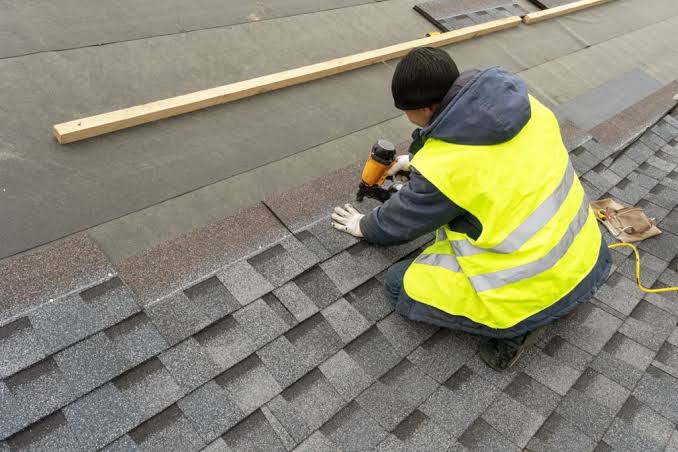
    2. Shingle Application: Crews start from the bottom edge (eave) and work their way up. They use pneumatic nail guns to secure the shingles.
    3. Ridge Vents: Proper ventilation is installed at the peak of the roof to allow hot air to escape, extending the life of the shingles.

    Day 3: Cleanup and Final Inspection

    The final day is about finishing touches and quality control.

    1. Nail Sweep: This is vital. Crews use magnetic sweepers to pick up stray nails from your yard and driveway. Never skip this step.
    2. Gutter Cleaning: Debris from the tear-off is cleared from gutters to ensure proper water flow.
    3. Final Walkthrough: The project manager walks the roof with you (or provides photos) to ensure everything meets code and your satisfaction.

    Comparison: Average Timelines by Material

    To help you plan better, here is a breakdown of estimated installation times for common roofing materials in the US market.

    Material TypeAverage Installation Time (Standard Home)DurabilityCost Estimate
    Asphalt Shingles1–3 Days15–30 Years$
    Metal Roofing3–7 Days40–70 Years$$
    Wood Shakes5–10 Days20–40 Years$
    Slate/Tile2–4 Weeks50–100+ Years$$

    Note: These estimates assume a crew of 4–6 professionals and favorable weather conditions.

    Why Professional Installation Matters

    While DIY might seem tempting to save money, roofing is dangerous and technically complex. According to the Occupational Safety and Health Administration (OSHA), falls are the leading cause of death in construction. Professional roofers are trained in safety protocols, proper ventilation techniques, and local building codes.

    Furthermore, manufacturer warranties often require professional installation. If you install it yourself and it leaks, you may void the warranty on the materials themselves. Investing in a certified installer ensures that your roof performs as intended for its full lifespan.

    Frequently Asked Questions (FAQ)

    1. Can a roof be replaced in one day?

    Yes, it is possible for smaller homes (under 2,000 sq. ft.) with simple rooflines and asphalt shingles. However, this requires a large, efficient crew and perfect weather. Do not pressure a contractor to rush; quality takes precedence over speed.

    2. Does rain delay roofing projects?

    Absolutely. Roofers cannot install shingles on a wet deck. Even light drizzle can cause delays. If it rains during the tear-off phase, the crew will cover the exposed deck with tarps until it dries completely, which can add 24–48 hours to the timeline.

    3. Will I need to leave my house during the roofing process?

    You do not have to leave, but many homeowners choose to work elsewhere or stay with relatives due to the noise and vibration. The hammering and nail gun sounds can be intense. If you have pets or small children, arranging alternative care for the day of the tear-off is highly recommended.

    4. What happens if rotten wood is found under my old roof?

    This is a common occurrence. Most contracts include a clause for “decking repair.” If rot is found, the crew will replace the damaged plywood or OSB boards. This usually adds a few hours to the project, not days, unless the damage is extensive. Ensure your contract specifies the cost per sheet of replacement wood.

    5. How long does a roof inspection take before replacement?

    A pre-installation inspection typically takes 30–60 minutes. The inspector will check the current condition, measure the roof, and look for underlying issues. This step is crucial for providing an accurate quote and timeline.

    Conclusion

    So, how long does it take to put a roof on? For the majority of American homeowners using asphalt shingles, the answer is 1 to 3 days. By understanding the factors involved—such as roof complexity, material choice, and weather—you can plan accordingly and minimize the inconvenience.

    Remember, a rushed job is rarely a good job. Choose a reputable contractor who prioritizes safety and quality over speed. A well-installed roof protects your biggest investment for decades to come.

    Did you find this guide helpful? Share it with your neighbors who might be considering a roof replacement, or pin it to your home improvement board on Pinterest for future reference!

  • How Long Does It Take To Get A New Roof?

    How Long Does It Take To Get A New Roof?

    Replacing your roof is one of the most significant home improvement projects you will ever undertake. It protects your family, increases your property value, and provides peace of mind during storm season. However, the uncertainty surrounding the schedule can be stressful for any homeowner. You might be wondering, “How long does it take to get a new roof?” while trying to coordinate work schedules, childcare, or pet care.

    The short answer is that most standard residential roof replacements are completed within one to three days. However, this timeline can vary significantly based on the size of your home, the materials chosen, and external factors like weather. In this comprehensive guide, we will break down exactly what influences the timeline, what happens day-by-day, and how you can prepare for a smooth installation process.

    What Factors Influence Roof Replacement Time?

    While a two-day turnaround is common, several variables can extend or shorten this window. Understanding these factors helps you set realistic expectations with your contractor.

    1. Size and Complexity of the Roof

    A simple, single-story ranch-style home with a straightforward gable roof is much faster to replace than a multi-story Victorian home with multiple dormers, valleys, and turrets.

    • Square Footage: Larger roofs naturally take longer.
    • Pitch and Slope: Steeper roofs require more safety equipment and slower movement for workers.
    • Obstacles: Chimneys, skylights, and vent pipes require careful flashing and sealing, adding time to the job.

    2. Type of Roofing Material

    Not all roofing materials are installed at the same speed. Here is a general comparison:

    MaterialEstimated Installation Time (Average Home)Difficulty Level
    Asphalt Shingles1–2 DaysLow
    Metal Roofing2–4 DaysMedium
    Clay/Concrete Tiles5–7 DaysHigh
    Slate7–10+ DaysVery High
    Wood Shakes3–5 DaysHigh

    Asphalt shingles remain the most popular choice in the US largely due to their cost-effectiveness and rapid installation speed. Conversely, materials like slate or clay tiles are heavier and more fragile, requiring meticulous handling that slows down the crew.

    3. Weather Conditions

    Roofing is an outdoor job, making it highly susceptible to weather. Rain, high winds, or extreme heat can halt production.

    • Rain: Workers cannot install underlayment or shingles on wet decks as it traps moisture, leading to mold and rot.
    • Wind: High winds make handling large sheets of underlayment or metal panels dangerous and difficult.
    • Heat: Extreme temperatures can soften asphalt shingles, making them harder to handle and seal properly.

    4. Structural Repairs

    Once the old roof is removed, the underlying structure is exposed. If the contractors discover rotted decking (sheathing) or damaged rafters, these must be repaired before the new roof can be installed. This “unforeseen” step can add half a day or more to the project.

    The Step-by-Step Roof Replacement Timeline

    To give you a clearer picture, let’s walk through a typical two-day asphalt shingle replacement for an average 2,000-square-foot home.

    Day 1: Tear-Off and Preparation

    The first day is often the loudest and most disruptive.

    1. Site Setup (7:00 AM – 8:00 AM): The crew arrives, sets up safety barriers, and places a dumpster for debris. They may also lay down tarps to protect your landscaping and driveway.
    2. Removal of Old Roofing (8:00 AM – 12:00 PM): Workers strip away the old shingles, underlayment, and nails. This exposes the wooden deck beneath. You will hear significant noise during this phase.
    3. Inspection and Repair (12:00 PM – 2:00 PM): The team inspects the wood decking. Any rotten or soft spots are replaced with new plywood or OSB boards. Note: This is where timelines can shift if extensive damage is found.
    4. Installation of Underlayment (2:00 PM – 5:00 PM): A water-resistant barrier (underlayment) is rolled out over the entire deck. Drip edges are installed along the eaves to direct water away from the fascia.

    Day 2: Installation and Cleanup

    The second day focuses on installing the new protective layers and finishing touches.

    1. Flashing Installation (8:00 AM – 10:00 AM): Metal flashing is installed around chimneys, vents, and valleys. This is critical for preventing leaks. For more technical details on roofing components, you can refer to the Wikipedia entry on Roofing to understand the structural importance of proper flashing.
    2. Shingle Installation (10:00 AM – 3:00 PM): The crew starts from the bottom edge (eave) and works their way up to the ridge. They ensure each shingle is aligned and nailed according to manufacturer specifications.
    3. Ridge Vents and Cap Shingles (3:00 PM – 4:00 PM): The peak of the roof is sealed with ridge vents for airflow and covered with cap shingles for a finished look.
    4. Cleanup and Final Inspection (4:00 PM – 5:00 PM): The crew uses magnetic rollers to pick up stray nails from your yard and driveway. All debris is loaded into the dumpster. The project manager performs a final walkthrough with you to ensure satisfaction.
    How Long Does It Take To Get A New Roof

    Signs Your Roof Needs Immediate Replacement

    Sometimes, the question isn’t just about time, but urgency. If you notice any of the following, do not delay scheduling an inspection:

    • Curling or Cupping Shingles: This indicates aging and loss of granule protection.
    • Missing Granules: Check your gutters for sand-like particles; this means your shingles are deteriorating.
    • Daylight Through Roof Boards: If you can see light from your attic, you have gaps that need immediate attention.
    • Sagging Roof Deck: This suggests structural issues and requires emergency professional assessment.

    How to Prepare Your Home for Roofers

    A prepared home leads to a faster, smoother installation. Here is a quick checklist:

    • Clear the Perimeter: Move cars, grills, patio furniture, and potted plants away from the house. Falling debris can damage these items.
    • Protect Attic Items: The vibration from hammering can shake dust and debris loose. Cover sensitive items in your attic with sheets.
    • Secure Pets: The noise and presence of strangers can stress animals. Keep pets indoors in a quiet room or arrange for them to stay elsewhere during work hours.
    • Trim Tree Branches: Ensure no branches are hanging over the roof, as they can obstruct work and damage new shingles.

    Frequently Asked Questions (FAQ)

    1. Can I stay in my house during roof replacement?

    Yes, most homeowners stay in their homes during the process. However, expect significant noise, vibration, and dust. If you have infants, elderly family members, or work from home, you might consider staying elsewhere for the 1–2 days of active tear-off and installation.

    2. What happens if it rains during the project?

    Professional roofers monitor weather forecasts closely. If rain is expected, they will pause work. If the old roof is already removed, they will cover the exposed deck with tarps to prevent water intrusion. Once the rain passes and the wood is dry, work will resume.

    3. Do I need to be home while the roofers are working?

    You do not need to be home the entire time, but it is recommended to be present at the start and end of the project. Being there at the start allows you to confirm the scope of work, and being there at the end allows for the final walkthrough and cleanup inspection.

    4. How long does a roof permit take to process?

    This varies by municipality. In many US cities, permits can be obtained instantly online or within 24–48 hours. In stricter jurisdictions, it may take 1–2 weeks. Reputable contractors usually handle permitting as part of their service, so ask your provider about this timeline upfront.

    5. Will my homeowner’s insurance cover the time it takes to get a new roof?

    Insurance typically covers the cost of the roof if the damage was caused by a covered peril (like hail or wind), but it does not pay for your living expenses unless the home is uninhabitable. Standard roof replacements rarely make a home uninhabitable, so temporary housing costs are usually out-of-pocket unless specified in your policy.

    Conclusion

    So, how long does it take to get a new roof? For the majority of American homes using asphalt shingles, you can expect the project to be completed in 1 to 3 days. While factors like roof complexity, material choice, and weather can influence this timeline, proper preparation and hiring a reputable contractor can ensure the process stays on track.

    Remember, a new roof is an investment in your home’s longevity and safety. By understanding the timeline and preparing your property, you can minimize stress and enjoy the benefits of a secure, beautiful new roof.

    Did you find this guide helpful? Share it with your neighbors on Facebook or Twitter who might be considering a roof replacement!