Have you ever stared at your ceiling during a storm, wondering if it will hold up, or perhaps you are simply planning a home renovation and need to schedule your life around the construction noise? It is a common source of anxiety for homeowners. Understanding how long does it take to put a roof on is crucial for minimizing disruption to your daily routine and managing expectations with your family and neighbors.
The short answer is that most standard residential roof replacements in the United States are completed within one to three days. However, this timeline can fluctuate significantly based on the size of your home, the materials chosen, and the weather conditions. In this comprehensive guide, we will break down exactly what influences these timelines, what you can expect during the process, and how to ensure your project stays on track.
What Factors Influence Roofing Timelines?
When asking “how long does it take to put a roof on,” it is essential to realize that no two roofs are identical. Several critical variables dictate the speed of installation.
1. Roof Size and Complexity
The square footage of your home is the most obvious factor. A modest 1,500-square-foot ranch-style home with a simple gable roof will be much faster to complete than a 4,000-square-foot Victorian estate with multiple turrets, valleys, and dormers.
- Simple Roofs: Fewer angles mean less cutting and fitting.
- Complex Roofs: More waste material, more flashing details, and increased labor hours.
2. Material Selection
Not all roofing materials are created equal when it comes to installation speed.
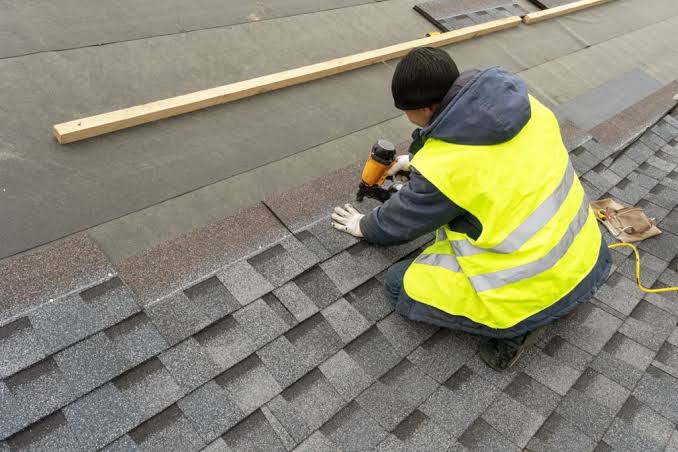
- Asphalt Shingles: The most popular choice in the US. They are lightweight, easy to handle, and install quickly using nail guns.
- Metal Roofing: Can be installed relatively quickly if using standing seam panels, but stone-coated steel may take longer due to intricate locking mechanisms.
- Slate or Clay Tile: These are heavy, fragile, and require specialized skills. A slate roof can take weeks rather than days because each tile must be individually cut and secured.
3. Weather Conditions
Roofing is an outdoor job. Rain, high winds, or extreme heat can halt work entirely.
- Rain: Wet decks cannot have shingles applied as they won’t adhere properly, and moisture trapped under shingles leads to mold.
- Wind: Safety regulations often prohibit workers from being on steep slopes during high winds.
- Heat: In states like Arizona or Texas, crews may start at dawn and stop by noon to avoid heat exhaustion, effectively splitting one “day” of work into two partial days.
4. Crew Size and Experience
A larger, well-coordinated crew will finish faster. A typical crew consists of 4–6 professionals. If a company sends only two people, a three-day job could stretch into a week. Always ask your contractor about their typical crew size for your specific project scope.
Step-by-Step: The Roofing Installation Process
To truly understand the timeline, let’s look at the actual workflow. Knowing what happens each day helps reduce the stress of the unknown.
Day 1: Preparation and Tear-Off
The first day is often the loudest and most disruptive.
- Site Protection: The crew will lay tarps over your landscaping, AC units, and windows to protect them from falling debris. They may also set up a dumpster nearby.
- Tear-Off: Workers remove the old shingles, underlayment, and any rotten wood. This exposes the roof deck (the wooden structure underneath).
- Inspection: Once the deck is visible, the foreman inspects it for rot or damage. Note: If significant rot is found, this adds time for carpentry repairs.
- Drip Edge and Underlayment: New drip edge metal is installed along the eaves, followed by a waterproof underlayment (often synthetic felt) to protect the deck.
Day 2: Installation of New Materials
Assuming the weather holds and no major structural repairs are needed, Day 2 is where the transformation happens.
- Flashing Installation: Metal flashing is installed around chimneys, vents, and wall intersections. This is critical for preventing leaks.
- Shingle Application: Crews start from the bottom edge (eave) and work their way up. They use pneumatic nail guns to secure the shingles.
- Ridge Vents: Proper ventilation is installed at the peak of the roof to allow hot air to escape, extending the life of the shingles.
Day 3: Cleanup and Final Inspection
The final day is about finishing touches and quality control.
- Nail Sweep: This is vital. Crews use magnetic sweepers to pick up stray nails from your yard and driveway. Never skip this step.
- Gutter Cleaning: Debris from the tear-off is cleared from gutters to ensure proper water flow.
- Final Walkthrough: The project manager walks the roof with you (or provides photos) to ensure everything meets code and your satisfaction.
Comparison: Average Timelines by Material
To help you plan better, here is a breakdown of estimated installation times for common roofing materials in the US market.
| Material Type | Average Installation Time (Standard Home) | Durability | Cost Estimate |
|---|---|---|---|
| Asphalt Shingles | 1–3 Days | 15–30 Years | $ |
| Metal Roofing | 3–7 Days | 40–70 Years | $$ |
| Wood Shakes | 5–10 Days | 20–40 Years | $ |
| Slate/Tile | 2–4 Weeks | 50–100+ Years | $$ |
Note: These estimates assume a crew of 4–6 professionals and favorable weather conditions.
Why Professional Installation Matters
While DIY might seem tempting to save money, roofing is dangerous and technically complex. According to the Occupational Safety and Health Administration (OSHA), falls are the leading cause of death in construction. Professional roofers are trained in safety protocols, proper ventilation techniques, and local building codes.
Furthermore, manufacturer warranties often require professional installation. If you install it yourself and it leaks, you may void the warranty on the materials themselves. Investing in a certified installer ensures that your roof performs as intended for its full lifespan.
Frequently Asked Questions (FAQ)
1. Can a roof be replaced in one day?
Yes, it is possible for smaller homes (under 2,000 sq. ft.) with simple rooflines and asphalt shingles. However, this requires a large, efficient crew and perfect weather. Do not pressure a contractor to rush; quality takes precedence over speed.
2. Does rain delay roofing projects?
Absolutely. Roofers cannot install shingles on a wet deck. Even light drizzle can cause delays. If it rains during the tear-off phase, the crew will cover the exposed deck with tarps until it dries completely, which can add 24–48 hours to the timeline.
3. Will I need to leave my house during the roofing process?
You do not have to leave, but many homeowners choose to work elsewhere or stay with relatives due to the noise and vibration. The hammering and nail gun sounds can be intense. If you have pets or small children, arranging alternative care for the day of the tear-off is highly recommended.
4. What happens if rotten wood is found under my old roof?
This is a common occurrence. Most contracts include a clause for “decking repair.” If rot is found, the crew will replace the damaged plywood or OSB boards. This usually adds a few hours to the project, not days, unless the damage is extensive. Ensure your contract specifies the cost per sheet of replacement wood.
5. How long does a roof inspection take before replacement?
A pre-installation inspection typically takes 30–60 minutes. The inspector will check the current condition, measure the roof, and look for underlying issues. This step is crucial for providing an accurate quote and timeline.
Conclusion
So, how long does it take to put a roof on? For the majority of American homeowners using asphalt shingles, the answer is 1 to 3 days. By understanding the factors involved—such as roof complexity, material choice, and weather—you can plan accordingly and minimize the inconvenience.
Remember, a rushed job is rarely a good job. Choose a reputable contractor who prioritizes safety and quality over speed. A well-installed roof protects your biggest investment for decades to come.
Did you find this guide helpful? Share it with your neighbors who might be considering a roof replacement, or pin it to your home improvement board on Pinterest for future reference!