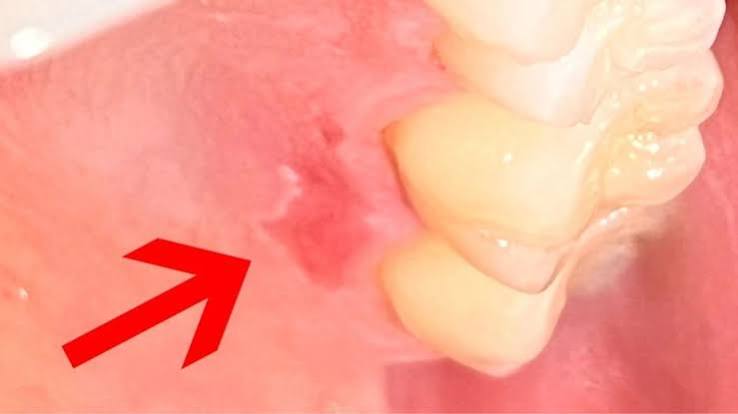
Have you ever taken a bite of something deliciously hot, only to regret it seconds later? That sharp, stinging pain on the roof of your mouth is all too common, but seeing the skin peel away can be genuinely alarming. If you are thinking, “I burned the roof of my mouth and its peeling,” you are not alone, and there are effective ways to manage the discomfort and speed up healing.
This guide will walk you through exactly why this happens, how to treat it safely at home, and when you should actually worry. We’ll cut through the noise and provide clear, actionable advice based on medical best practices.
Why Does the Roof of My Mouth Peel After a Burn?
When you consume food or liquid that is too hot, you sustain a thermal injury to the delicate tissues in your mouth. The roof of your mouth, known medically as the hard and soft palate, is lined with a thin layer of mucous membrane. Unlike the skin on your arms or legs, this tissue is incredibly sensitive and lacks the thick protective outer layer (stratum corneum) found elsewhere on your body.
The Science Behind the Peel
The “peeling” you see is actually your body’s natural response to injury. When the heat damages the cells, the top layer of the mucous membrane dies and separates from the underlying tissue. This is similar to how skin blisters and peels after a sunburn, but it happens much faster in the mouth due to the moist environment.
According to general medical consensus, these are typically first-degree or mild second-degree burns. The body rushes blood to the area to repair the damage, causing inflammation (redness and swelling), and eventually sheds the damaged cells. This shedding process is what creates those annoying, flappy pieces of skin that feel like they are hanging loose in your mouth.
Key Insight: The mouth has one of the fastest healing rates in the human body due to rich blood supply and saliva properties. Most minor burns heal within 3 to 7 days.
Immediate Steps: What to Do Right After the Burn
If you just burned your mouth, immediate action can minimize the severity of the peel. Here is a step-by-step protocol to follow in the first hour:
- Cool It Down Immediately: Sip cold water or hold an ice chip against the burned area. Do not use ice directly for prolonged periods as it can cause further tissue damage; let it melt slightly. Aim for water at a temperature of 4–10°C (39–50°F).
- Rinse with Salt Water: Mix 1/2 teaspoon of salt into 8 ounces (240 ml) of warm (not hot) water. Swish gently for 30 seconds. This helps clean the area and reduces bacterial load without irritating the wound.
- Avoid Irritants: Do not consume acidic foods (like orange juice or tomato sauce), spicy foods, or crunchy snacks immediately. These will aggravate the exposed nerve endings.
- Do Not Pull the Skin: It is tempting to pull the peeling skin with your tongue or fingers. Resist this urge. Pulling it prematurely can expose raw tissue, increase pain, and raise the risk of infection. Let it fall off naturally.
Best Home Remedies to Speed Up Healing
Once the initial shock has passed, your goal shifts to comfort and accelerating tissue regeneration. Here are the most effective, evidence-based home remedies.
1. Honey
Honey is not just a sweetener; it has natural antibacterial and anti-inflammatory properties. A study published in various medical journals suggests that honey can promote wound healing.
- How to use: Dab a small amount of raw honey directly onto the burned area. Let it sit for a few minutes before swallowing. Repeat 2–3 times a day.
2. Yogurt and Probiotics
Cool yogurt provides immediate soothing relief. More importantly, the probiotics can help maintain a healthy balance of bacteria in your mouth, preventing secondary infections while the tissue heals.
- How to use: Eat a small cup of plain, unsweetened yogurt. Ensure it is cold but not frozen.
3. Aloe Vera Gel
Aloe vera is renowned for treating skin burns, and it works similarly for oral mucosa. It contains compounds that reduce inflammation and stimulate cell growth.
- How to use: Use food-grade aloe vera gel. Apply a thin layer to the roof of your mouth. Rinse your mouth with water after 5–10 minutes if the taste is unpleasant.
4. Over-the-Counter Oral Gels
Products containing benzocaine or lidocaine can numb the area temporarily. While these do not speed up healing, they provide significant pain relief, allowing you to eat and sleep more comfortably.
- Caution: Use these sparingly and follow package instructions. Overuse can lead to irritation.
Foods to Eat vs. Foods to Avoid
Your diet plays a crucial role in how quickly your mouth heals. Choosing the right foods prevents re-injury and provides the nutrients needed for tissue repair.
| Food Category | Recommended (Eat This) | Avoid (Wait Until Healed) |
|---|---|---|
| Temperature | Cold or room temperature items | Hot soups, coffee, tea, steamy dishes |
| Texture | Soft, smooth, creamy | Crunchy chips, hard crusts, nuts |
| Flavor Profile | Mild, bland, non-acidic | Spicy, citrusy, salty, vinegar-based |
| Examples | Pudding, applesauce, smoothies, mashed potatoes | Salsa, orange juice, pretzels, curry |
Pro Tip: Smoothies are excellent because they are cold, nutritious, and require no chewing. Just avoid adding acidic fruits like pineapples or strawberries until the peel has fully healed.
When Should You See a Doctor?
While most burnt roofs of the mouth are minor inconveniences, some signs indicate a more serious issue. You should consult a healthcare provider if:
- The burn does not show signs of improvement after 7 days.
- You develop a fever, which could indicate an infection.
- There is excessive pus or foul-smelling discharge from the area.
- The pain is severe and unmanageable with over-the-counter pain relievers.
- You have difficulty breathing or swallowing (seek emergency care immediately).
For more detailed information on oral health conditions, you can refer to resources like Wikipedia’s page on Oral Mucosa to understand the biological structure of your mouth better.
FAQ: Common Questions About Burnt Mouths
1. How long does it take for the roof of my mouth to stop peeling?
Typically, the peeling phase lasts for 2 to 4 days. The complete healing process usually takes about one week. If the burn was severe, it might take up to two weeks, but this is less common with food-related burns.
2. Is it safe to swallow the peeling skin?
Yes, it is generally safe. The peeling skin is just dead tissue. Your stomach acid will break it down without any issues. However, try to spit out large pieces if possible to avoid a choking hazard or gagging reflex.
3. Can I brush my teeth if the roof of my mouth is burned?
Yes, you should continue to maintain oral hygiene. However, be very gentle around the burned area. Use a soft-bristled toothbrush and avoid splashing toothpaste foam directly onto the wound if it causes stinging. Rinsing with water afterward is helpful.
4. Why does my mouth feel weird even after the pain stops?
After the acute pain subsides, you may experience a sensation of roughness or numbness. This is because new cells are forming under the peeled layer. The nerve endings are still sensitive as they recalibrate. This feeling should disappear completely within a few days.
5. Can I use mouthwash on a burned roof of my mouth?
Avoid alcohol-based mouthwashes, as they will sting intensely and dry out the tissue, slowing healing. Instead, stick to saline rinses (salt water) or alcohol-free, therapeutic mouthwashes designed for sensitive mouths.
6. Does dairy help heal burns?
There is a myth that dairy increases mucus production and hinders healing, but there is no scientific evidence supporting this for minor oral burns. In fact, the cooling effect and protein content in milk or yogurt can be soothing and beneficial for tissue repair.
Conclusion
Dealing with a burnt roof of your mouth is uncomfortable, but it is rarely serious. Remember, if you find yourself saying, “I burned the roof of my mouth and its peeling,” it is a sign that your body is already working to repair itself. By keeping the area clean, avoiding irritants, and using soothing remedies like honey or cold yogurt, you can significantly reduce discomfort.
Patience is key. Let the skin peel naturally, stay hydrated, and stick to soft, cool foods. Within a week, you should be back to enjoying your favorite hot meals without a second thought.
Found this guide helpful? Share it with a friend who loves piping hot pizza or coffee! Spreading the word can help others handle this common kitchen mishap with confidence.