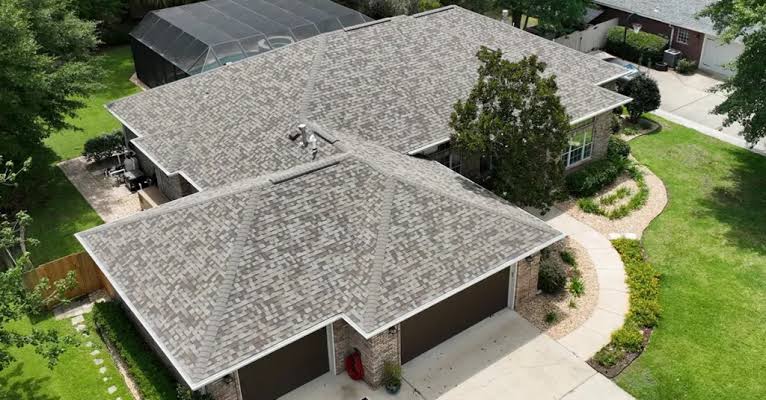
Buying a new home is one of the most significant financial milestones in life, filled with excitement and, inevitably, a few anxieties. One of the biggest concerns for new homeowners is understanding what protections are in place for major structural components, particularly the roof. You might be asking yourself, how long is a roof warranty on a new home, and does it actually cover everything you think it does?
The answer is not as straightforward as a single number because roof warranties are typically split into two distinct categories: material coverage from the manufacturer and labor coverage from the installer. Understanding this distinction is crucial to avoiding unexpected repair bills down the line. In this guide, we will break down exactly what you are covered for, how long those protections last, and how to ensure your new home’s roof remains secure for decades.
The Two Main Types of Roof Warranties
To truly understand the lifespan of your coverage, you must distinguish between the two primary types of warranties that come with a new construction roof. Most homeowners mistakenly believe they have one all-encompassing policy, but in reality, you are dealing with two separate agreements.
1. Manufacturer’s Material Warranty
This warranty is provided by the company that produced your roofing materials (e.g., GAF, Owens Corning, CertainTeed). It covers defects in the shingles or roofing materials themselves. If the shingles crack, curl, or lose granules prematurely due to manufacturing errors, this warranty kicks in.
- Typical Duration: 20 to 50 years, sometimes “lifetime.”
- What it Covers: Defective materials only.
- What it Excludes: Installation errors, wind damage, or normal wear and tear.
2. Contractor’s Workmanship Warranty
This warranty is provided by the roofing contractor who installed the roof. It covers errors made during the installation process. If the roofer failed to seal flashing correctly or nailed shingles improperly, leading to leaks, this warranty is your safety net.
- Typical Duration: 1 to 10 years (varies significantly by contractor).
- What it Covers: Labor and installation errors.
- What it Excludes: Material defects (covered by the manufacturer) and storm damage.
How Long Do These Warranties Last?
When searching for how long is a roof warranty on a new home, the timeline depends heavily on the quality of materials chosen by the builder and the reputation of the contracting company.
Standard Asphalt Shingle Warranties
For most new homes in the US, asphalt shingles are the standard. Here is a general breakdown of duration based on tier:
| Shingle Tier | Material Warranty Length | Typical Workmanship Coverage |
|---|---|---|
| 3-Tab (Basic) | 20–25 Years | 1–2 Years |
| Architectural (Mid) | 30–50 Years | 2–5 Years |
| Premium/Luxury | Lifetime (50+ Years) | 5–10+ Years |
The “Lifetime” Misconception
Many builders advertise a “lifetime warranty.” However, in the roofing industry, “lifetime” usually refers to the useful life of the product, not the homeowner’s life. For asphalt shingles, this is often defined as 30 to 50 years. For slate or tile, it may be longer. Always read the fine print to see if the warranty is prorated.
What Does a Prorated Warranty Mean?
One of the most critical aspects of roof warranties is whether they are non-prorated or prorated. This distinction can save you thousands of dollars.
- Non-Prorated Period: For the first 10 to 15 years (depending on the brand), the manufacturer will replace defective materials at no cost to you. They cover both the materials and sometimes the labor to install them.
- Prorated Period: After the initial non-prorated period ends, the coverage decreases annually. If a defect occurs in year 20 of a 30-year warranty, the manufacturer may only cover 33% of the material cost. You would be responsible for the remaining 67% plus all labor costs.
According to industry standards, a prorated warranty offers diminishing returns over time. It is essential to check when your specific warranty transitions from full coverage to prorated coverage.
Factors That Can Void Your Roof Warranty
Even with a robust warranty in place, certain actions can nullify your protection. Being aware of these pitfalls is vital for maintaining your coverage.
- Poor Ventilation: This is the number one cause of voided warranties. If your attic is not properly ventilated, heat buildup can cook the shingles from the inside out. Manufacturers often require specific ventilation ratios (e.g., 1 sq. ft. of vent per 150 sq. ft. of attic space).
- Unauthorized Repairs: If you hire an unlicensed handyman to fix a minor leak or install satellite dishes without following manufacturer guidelines, you may void the warranty.
- Pressure Washing: Cleaning your roof with high-pressure water can strip away protective granules. Most manufacturers explicitly forbid this practice.
- Layering Shingles: Installing new shingles over old ones (overlay) is rarely covered under new home warranties. Proper installation requires tearing off the old layer.
For more detailed information on roofing standards and definitions, you can refer to general construction guidelines available on Wikipedia.
Steps to Verify and Maintain Your Warranty
If you have just bought a new home, follow these steps to ensure your roof warranty is active and valid:
- Locate the Documents: Ask your builder or real estate agent for the specific warranty certificates. There should be one from the manufacturer and one from the contractor.
- Register the Warranty: Some manufacturers require the homeowner or builder to register the warranty online within 30–60 days of installation. Failure to do so may reduce coverage.
- Inspect Annually: Perform a visual inspection twice a year (spring and fall). Look for missing shingles, damaged flashing, or clogged gutters.
- Keep Records: Save all receipts for maintenance, inspections, and repairs. If you need to file a claim, proof of regular maintenance is often required.
- Hire Certified Contractors: For any repairs, use contractors certified by the shingle manufacturer. This ensures that the work meets the specific standards required to keep the warranty intact.
FAQ Section
1. Is a roof warranty transferable if I sell my home?
Yes, most manufacturer warranties are transferable to subsequent homeowners, but there is usually a small fee involved (often between $50 and $100). The workmanship warranty from the contractor is typically non-transferable unless specified otherwise in the contract. Always check the transferability clause before selling.
2. Does a roof warranty cover storm damage?
Generally, no. Roof warranties cover manufacturing defects and installation errors. Storm damage (wind, hail, falling trees) is typically covered by your homeowners insurance policy, not the roof warranty. However, some premium manufacturer warranties offer optional “wind coverage” upgrades.
3. What is the difference between a system warranty and a standard warranty?
A standard warranty covers only the shingles. A system warranty (or enhanced warranty) covers the entire roofing system, including underlayment, flashing, and ventilation components, provided they are all from the same manufacturer. System warranties often offer longer non-prorated periods and better labor coverage.
4. How do I know if my roof warranty is still valid?
Check the installation date on your warranty certificate. Count the years from that date to the current year. If you are within the timeframe, the warranty is likely valid, provided you have adhered to maintenance requirements and haven’t performed unauthorized modifications. Contact the manufacturer directly with your serial numbers if you are unsure.
5. Who should I contact if I have a leak: the builder or the manufacturer?
Start with the roofing contractor (builder). Since leaks are most often caused by installation errors (workmanship) rather than material defects, the contractor is usually the first point of contact. If they determine the issue is a material defect, they will help you file a claim with the manufacturer.
6. Does walking on the roof void the warranty?
Occasional, careful walking by professionals for inspection or maintenance does not void the warranty. However, frequent foot traffic, especially by untrained individuals, can damage shingles and may give the manufacturer grounds to deny a claim if damage is evident. Always hire professionals for roof access.
Conclusion
Understanding how long is a roof warranty on a new home is about more than just knowing a number; it’s about recognizing the layers of protection involving both materials and labor. While material warranties can last up to 50 years, the critical workmanship coverage is often much shorter, typically ranging from 2 to 10 years.
By distinguishing between these two types, keeping up with maintenance, and ensuring proper attic ventilation, you can maximize the lifespan of your roof and the validity of your warranty. Don’t let the paperwork gather dust—locate your documents today, register if necessary, and schedule your first annual inspection.
If you found this guide helpful, please share it with other new homeowners on social media to help them protect their biggest investment!